
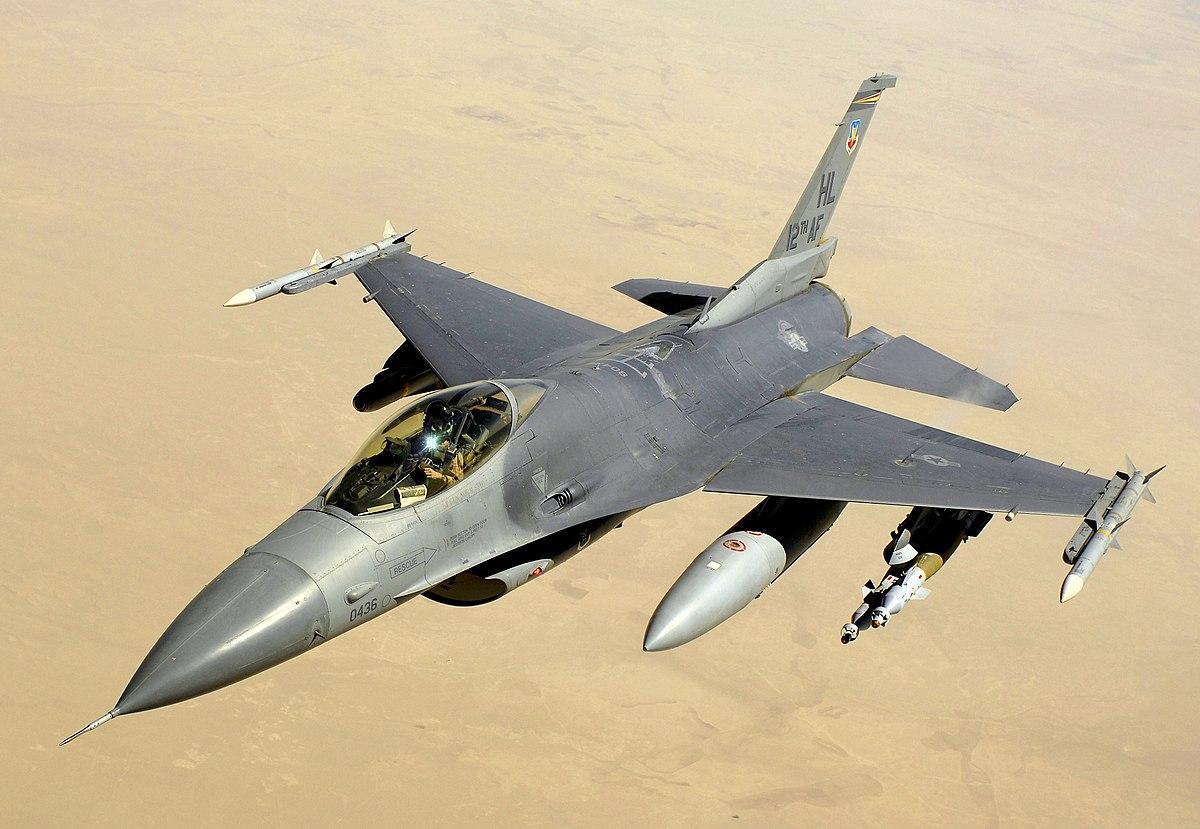
As global military dynamics evolve, countries are increasingly faced with critical decisions regarding their defense capabilities and strategic alliances. Peru finds itself at a pivotal crossroads, contemplating whether to enhance its air force with American-made F-16 fighter jets or opt for the Swedish Gripen aircraft. This potential shift not only has implications for Peru’s national security but also reflects broader geopolitical trends and defense partnerships in Latin America. In this article, we will delve into the advantages and disadvantages of both aircraft options, assessing how this decision could shape Peru’s military strategy and its relationships with the United States and Sweden. As negotiations unfold, the outcome may signal a significant development in the region’s defense landscape.
Peru’s Strategic Dilemma: Evaluating the F-16 and Gripen Fighter Jet Options
As Peru navigates its defense procurement landscape, the decision between American F-16 fighter jets and Swedish Gripen alternatives poses significant strategic implications. The F-16, with its well-established track record and compatibility with NATO systems, offers a sense of reliability and logistical support. These aircraft provide advanced technology and proven combat capabilities, which could enhance Peru’s air power amidst the evolving geopolitical landscape in South America. Additionally, aligning with American military assets may foster closer ties with the United States, potentially translating into broader defense collaborations.
Conversely, the Gripen presents a compelling option for Peru, particularly concerning cost-effectiveness and versatility. The Swedish fighter jet is known for its advanced avionics and multi-role capabilities, making it suitable for various mission profiles, including air-to-air and air-to-ground operations. Furthermore, the Gripen’s lower operational costs and ease of maintenance present a significant advantage for a defense budget that faces multiple demands. As Peru considers its national security priorities and regional dynamics, the choice between these two formidable contenders will shape the future of its aerial defense strategy.
Cost-Benefit Analysis of the American F-16 vs. Swedish Gripen for Peru’s Air Force
In evaluating the fighter jet options for Peru’s Air Force, a cost-benefit analysis reveals significant differences between the American F-16 and the Swedish Gripen. The F-16 is known for its high versatility, advanced combat capabilities, and strong support network, which includes access to superior technology and maintenance resources. However, these advantages come at a higher price point. Key elements influencing the decision include:
- Acquisition Costs: The initial purchase price of the F-16 is generally higher than that of the Gripen.
- Operational Expenses: The F-16 may incur elevated maintenance and operational costs due to its complex systems.
- Resale Value: F-16s tend to retain a higher resale value in the global market.
On the other hand, the Gripen offers a more cost-effective solution for a nation like Peru. This multi-role fighter is designed for low operational cost while maintaining technological adaptability. Factors favoring the Gripen include:
- Lower Acquisition Cost: Equipped with advanced technology at a significantly lower price.
- Reduced Operating Costs: The Gripen boasts lower maintenance expenses, which could be pivotal for budget-conscious operations.
- Side Benefits: Collaboration in training and parts supply chain with Sweden can foster stronger diplomatic ties.
| Criteria | F-16 | Gripen |
|---|---|---|
| Acquisition Cost | Higher | Lower |
| Operational Cost | Higher | Lower |
| Resale Value | Higher | Lower |
| Diplomatic Ties | Standard | Enhanced |
Recommendations for Peru’s Military Procurement: Aligning Defense Needs with Modern Capabilities
In navigating the complex waters of military procurement, Peru must prioritize both its immediate defense capabilities and long-term strategic positioning. The discussion around potential acquisitions of American F-16s versus Swedish Gripen fighter jets reflects deeper considerations for the nation’s air power needs. To ensure effective operational readiness, procurement strategies should emphasize:
- Interoperability: Emphasizing systems that can easily integrate with existing American military technologies could enhance collaboration in regional security efforts.
- Cost-effectiveness: Analyzing lifecycle costs, including maintenance and upgrade pathways, is crucial for sustainable military spending.
- Performance Metrics: Understanding specific mission profiles, such as air superiority versus multi-role capabilities, helps identify the best fit for Peru’s geographical context.
Additionally, establishing a transparent and accountable procurement process will foster public trust and align defense spending with national priorities. By focusing on capability development that meets both current threats and future challenges, Peru can optimize its military effectiveness. Key areas of attention should include:
| Factor | F-16 Features | Gripen Features |
|---|---|---|
| Price Range | Moderate | Competitive |
| Operational Range | Excellent | Good |
| Modernization | Extensive upgrade options | Regular software upgrades |
Ultimately, the choice between these aircraft should not merely rest on immediate needs but also on the envisioned future of Peru’s aerial capabilities, taking into account advances in stealth technology, radar systems, and combat readiness.
Final Thoughts
In conclusion, Peru stands at a critical juncture in its defense procurement strategy, weighing the benefits of American F-16s against the allure of Swedish Gripen fighter jets. As the nation grapples with modernization needs amid regional security challenges, the decision will hinge on not only the technical capabilities and costs of these aircraft but also on the broader implications for geopolitical alignment and defense partnerships. Stakeholders in the Peruvian government and military are urged to carefully consider the long-term ramifications of their choice, as the implications are not only financial but also strategic in reinforcing Peru’s position within Latin America and beyond. As negotiations develop, the international defense community will be watching closely to see which path Peru ultimately decides to take.











