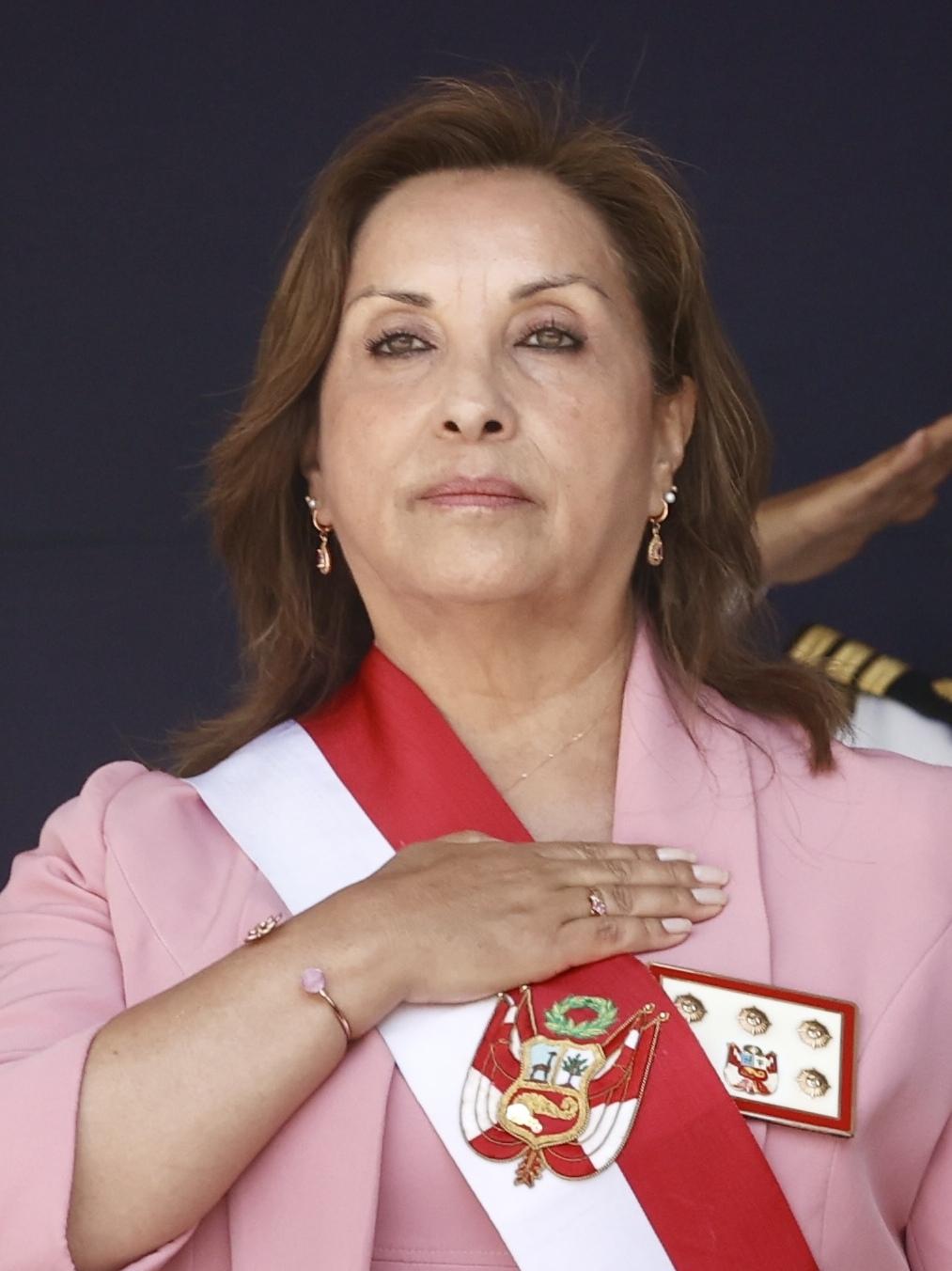
In a move that has sparked significant unrest and public outrage, the salary of Peru’s President Dina Boluarte has been increased to $10,000, a decision that has drawn sharp criticism amidst a backdrop of economic challenges facing the nation. As protests erupt across the country, many citizens express their discontent over perceived government excess in a time of financial hardship. This article delves into the implications of Boluarte’s salary hike, the reactions from various sectors of society, and the broader context of political and economic instability in Peru.
Backlash Erupts as Peru President Dina Boluarte’s Salary Increases Amid National Struggles
The recent decision to raise President Dina Boluarte’s salary to $10,000 has ignited widespread criticism across Peru. Many citizens are outraged, believing this increase is tone-deaf amid a backdrop of mounting economic difficulties facing the nation. With inflation soaring and many families struggling to make ends meet, the perception of privilege and disconnect from the realities of daily life is palpable. Activists and opposition leaders have taken to social media to voice their discontent, prompting significant public debate about the appropriateness of such a pay increase at this juncture.
Concerns over the decision reflect broader frustrations with governmental priorities and transparency. Analysts note that public servants, especially in leadership positions, should lead by example, especially during tough times. Critics have highlighted several key points in their arguments:
- Economic Hardship: The increase comes while many Peruvian families are facing unemployment and rising prices.
- Trust Issues: There is an ongoing public sentiment of distrust towards governmental decisions that seem to favor political leaders over ordinary citizens.
- Calls for Accountability: Citizens are demanding greater scrutiny of government expenditures and salary structures.
A recent survey indicated that over 70% of respondents disapprove of the salary hike, seeing it as a misallocation of state resources. The backlash has sparked discussions around potential salary caps for public officials and greater legislative engagement in determining compensation levels. These issues are expected to take center stage in upcoming political dialogues as citizens seek accountability and reform in leadership compensation policies.
Public Outrage Grows Over Perceived Inequity in Leadership Compensation
The recent decision to increase President Dina Boluarte’s salary to $10,000 per month has ignited a fierce backlash among citizens of Peru. Many perceive this move as another example of the widening gap between political elites and the everyday challenges faced by ordinary citizens. Protesters argue that while their wages remain stagnant, and the cost of living rises alarmingly, leadership compensation schemes continue to inflate without justification. Social media has erupted with criticisms, highlighting a sense of injustice and calling for transparency in government spending. Key points raised by the public include:
- Rising Cost of Living: Many households struggle to afford basic necessities.
- Inequity in Pay: Average workers across various sectors earn significantly less.
- Demands for Accountability: Citizens are calling for clearer justifications for salary increases.
This backlash isn’t occurring in isolation; it follows a series of similar instances across the globe where discontent over leadership salaries has sparked protests. Analysts suggest that the increase in Boluarte’s pay may exacerbate existing tensions among various social and economic segments of the population. To illustrate the stark contrast in leadership versus average earnings, the following table summarizes current salary figures:
| Title | Monthly Salary |
|---|---|
| President Dina Boluarte | $10,000 |
| Average Worker | $500 |
| Minimum Wage | $300 |
The table starkly highlights the disparity in earnings, further fueling outrage among the populace. As public discourse continues to evolve, many are left questioning the ramifications of such salary hikes on Peru’s socio-political landscape and the long-term implications of perceived inequity in leadership roles.
Calls for Reform: Experts Recommend Salary Adjustments Aligned with National Economic Conditions
In light of President Dina Boluarte’s new salary of $10,000, experts are vocally advocating for a comprehensive reevaluation of public sector compensation to better reflect the current economic climate in Peru. Analysts argue that while leaders should be fairly compensated, such increases in salary should not occur in a vacuum. The rising cost of living, inflation rates, and social equity considerations are all critical factors that must be taken into account when determining the remuneration of government officials. Experts suggest that salary adjustments should be tied to the nation’s economic performance, ensuring that public servants are not only held to high standards of accountability but are also visibly aligned with the circumstances facing the general populace.
The backlash against Boluarte’s pay increase underscores a growing sentiment among citizens who are grappling with economic hardships. Critics outline a range of proposed reforms aimed at restoring trust in government salaries, focusing on the following key points:
- Transparency: Calls for clearer disclosures on salary structures for public officials.
- Comparative Analysis: Recommendations for assessing salaries against national averages and regional economic conditions.
- Performance Bonuses: Linking pay to measurable outcomes to promote accountability.
- Public Engagement: Involving citizen input in salary-setting decisions.
A recent analysis of government salaries highlights the discrepancies that often exist in public sector pay. The table below illustrates the salary ranges for select government positions in comparison to the average national wage:
| Position | Salary (per month) | National Average Wage |
|---|---|---|
| President | $10,000 | $550 |
| Minister | $7,000 | $550 |
| Deputy Minister | $5,000 | $550 |
| Member of Congress | $3,500 | $550 |
Insights and Conclusions
In conclusion, President Dina Boluarte’s recent decision to increase her salary to $10,000 has sparked significant backlash among both the public and political spheres in Peru. As concerns about economic inequality and governmental transparency intensify, Boluarte faces mounting pressure to justify this hefty pay rise amid a backdrop of ongoing social and political unrest. Observers will be watching closely to see how her administration navigates this contentious issue and whether any policy responses will emerge to address the underlying grievances of the Peruvian population. As the situation develops, it remains crucial for leaders to balance their responsibilities with the expectations of the citizens they serve.