
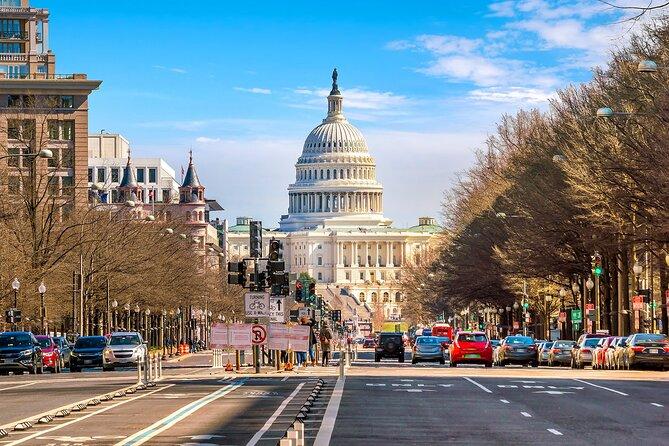
In a significant diplomatic maneuver, Washington is intensifying its efforts to align Peru with U.S. war policy amid escalating tensions with China. As the Biden administration seeks to bolster regional alliances in South America, concerns are mounting over the potential implications for Peru’s sovereignty and foreign policy independence. This development comes at a time when bilateral relations are increasingly scrutinized, with both nations navigating a complex landscape of economic ties, geopolitical strife, and national security considerations. Analysts warn that Peru’s alignment with U.S. military strategies could have far-reaching consequences not only for its domestic policies but also for the broader dynamics of international relations in a multipolar world. The following article delves into the intricacies of this diplomatic pressure, examining the motivations behind Washington’s actions and the potential repercussions for Peruvian leadership and its populace.
Washington’s Strategic Push: Aligning Peru’s Foreign Policy with US Interests
In a significant shift in diplomatic relations, the United States has exerted considerable pressure on Peru to align its foreign policy interests with American objectives, particularly concerning the growing tensions with China. The Biden administration’s strategy emphasizes the importance of ensuring that key allies in Latin America adopt a stance conducive to US geopolitical ambitions. This move raises questions about Peru’s sovereignty and its ability to navigate its affairs independently. Analysts suggest that the increasing engagement from Washington could lead to substantial changes in Peru’s economic and military partnerships, echoing broader trends across the region where nations are forced to reassess their alliances in light of US demands.
The ramifications of this alignment are multifaceted, affecting various sectors within Peru, including trade, security, and regional diplomacy. Key areas of concern include:
- Trade Agreements: Potential shifts towards aligning trade practices with US standards, possibly sidelining other partnerships, especially with China.
- Military Collaboration: Increased military cooperation with the United States may lead to further involvement in regional conflicts, straining local resources.
- Political Influence: The US’s leverage could influence Peru’s domestic politics, increasing the risk of political instability as public sentiment towards external intervention fluctuates.
| Impact Area | Description | Potential Outcomes |
|---|---|---|
| Trade | Shift in trade relationships towards the US | Economic dependence on the US market |
| Security | Increased military spending and collaboration | Potential escalation in regional tensions |
| Politics | Influence on political decisions and leadership | Risk of political unrest and opposition |
The Implications of US Pressure on Peru’s Stance Towards China
The increasing pressure from the United States on Peru has profound implications for the Andean nation’s foreign policy, particularly concerning its relationship with China. As the US intensifies its geopolitical rivalry with China, Lima finds itself at a crossroad, balancing economic interests against political pressures. With China being one of Peru’s largest trading partners, already accounting for over 30% of its exports, the ramifications of aligning too closely with US policies could adversely affect bilateral trade relations. This complicity may provoke retaliations from Beijing, jeopardizing critical investment flows in sectors such as mining and agriculture that are integral to Peru’s economic stability.
Moreover, Peru’s political landscape is experiencing significant upheaval as various factions attempt to navigate this external pressure. While some government officials express a commitment to diversifying partnerships beyond the US, the continued militarization and coercive diplomacy orchestrated by Washington creates challenges to that narrative. The potential alignment with US military agendas could alienate segments of the Peruvian population that are historically wary of foreign intervention. A shifting foreign policy not only risks diplomatic friction but also cultivates internal discord as citizens grapple with the implications of the US-China rivalry on their sovereignty.
Reevaluating Alliances: Recommendations for Peru Amidst Growing Geopolitical Tensions
As Lima navigates the pressures from Washington to align more closely with U.S. military objectives, it is essential for Peru to reconsider its strategic partnerships and alliances in the current geopolitical climate. To ensure national sovereignty and economic stability, Peru should pursue a multi-faceted diplomatic strategy that emphasizes cooperation with various international partners rather than succumbing to unilateral dependence on the United States. This approach could involve:
- Diversifying Trade Partnerships: Explore opportunities with China, the European Union, and regional allies in Latin America to reduce reliance on U.S. markets.
- Strengthening Regional Alliances: Engage more deeply with organizations such as the Union of South American Nations (UNASUR) to foster collaborative regional security frameworks.
- Encouraging Multilateral Dialogues: Advocate for dialogue among nations to address common concerns such as environmental issues, economic inequality, and human rights, rather than aligning with military directives.
Furthermore, Peru can benefit from reassessing its military collaboration agreements, focusing instead on joint initiatives that promote stability without engaging in confrontational postures. The following table outlines potential areas for reevaluation:
| Current Focus | Recommended Shift |
|---|---|
| Defense collaborations with the U.S. | Joint humanitarian efforts with regional partners |
| Military procurement from U.S. companies | Investing in local defense capabilities |
| Alignment with U.S. foreign policy | Independent foreign policy with emphasis on constructive diplomacy |
To Conclude
In conclusion, the escalating pressures from Washington on Peru to align with U.S. military strategies against China underscore a broader geopolitical shift in the region. As the Biden administration seeks to bolster its influence in Latin America amidst rising Chinese investments and partnerships, the implications for Peruvian sovereignty and regional stability remain significant. With Lima caught between two powerful nations, the stakes are high not only for its domestic policies but also for its role in a rapidly evolving global landscape. As tensions rise, the international community will be closely monitoring Peru’s next steps and the potential repercussions of its alignment or divergence from U.S. policy. The coming weeks will be critical in determining how this diplomatic maneuvering unfolds and what it means for the future of U.S.-Latin American relations in an increasingly multipolar world.











