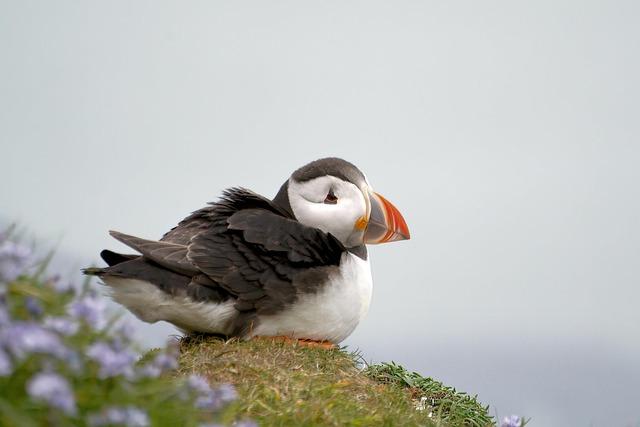
In the arid coastal regions of Peru, a seemingly unremarkable aspect of nature has played a pivotal role in the advancement of ancient civilizations: seabird poop, or guano. This rich organic fertilizer, formed over centuries from the droppings of millions of seabirds, has not only shaped the local ecosystem but has also become an invaluable resource for human societies throughout history. Recent research highlights how guano mining became a catalyst for agricultural productivity, trade, and even conflict in pre-Columbian Peru. As we uncover the fascinating interplay between ecology and human development, it becomes evident that the humble seabird, through its droppings, helped sow the seeds of prosperity that would sustain entire cultures along the Peruvian coast.
The Fertilizing Power of Guano and Its Role in Ancient Agriculture
In the arid landscapes of ancient Peru, guano emerged as a revolutionary agricultural resource. This nutrient-rich fertilizer, derived from the droppings of seabirds, played a crucial role in enhancing soil fertility, significantly impacting agricultural productivity. Farmers and agronomists recognized the fertilizing power of guano by incorporating it into their cultivation practices, leading to improved yields of key crops like maize, potatoes, and quinoa. The strategic location of sandbanks and coastal cliffs, inhabited by vast flocks of seabirds, provided an abundant source of this organic treasure, allowing ancient civilizations to thrive amid challenging environmental conditions.
The impact of guano on ancient Peruvian agriculture can be summarized as follows:
- Nutrient Density: Guano is high in nitrogen, phosphorus, and potassium, essential for crop growth.
- Soil Enrichment: The organic matter in guano improved soil structure and moisture retention.
- Sustainable Practice: Its use exemplified early sustainable agriculture, with minimal chemical inputs.
Furthermore, the guano trade became an economic staple, contributing to the wealth of coastal cultures. Communities organized themselves around the harvesting and distribution of guano, establishing trade networks that connected diverse regions. The reliance on this natural resource fostered innovations in farming techniques and promoted a deeper understanding of ecological balance. Overall, guano not only bolstered agricultural productivity but also intertwined the fates of ancient peoples with their environment in profound ways.
How Coastal Cultures Leveraged Seabird Droppings for Economic Growth
Coastal communities in ancient Peru uncovered a resource that would dramatically transform their economies: guano, or seabird droppings. This nutrient-rich fertilizer became a cornerstone of agricultural productivity, enabling these cultures to cultivate crops in otherwise arid regions. The rich deposits found primarily on offshore islands were harvested and transported inland, where its ability to enhance soil fertility was quickly recognized. The sheer abundance of guano allowed farmers to increase yields of staple crops, particularly maize and potatoes, which were essential for supporting growing populations.
The economic impact of this natural fertilizer extended far beyond local agriculture. As demand surged for guano, both domestically and for international trade, it spurred the establishment of a robust export industry. This created new jobs and drove innovation in transportation methods, including the development of shipping routes specifically for guano trade. The resulting wealth enabled coastal societies not only to thrive but also to invest in infrastructure, resulting in the establishment of markets and trade networks that would lay the groundwork for future economic growth. The evolution of guano from mere waste to a vital economic commodity is a remarkable testament to human ingenuity and adaptation.
Lessons from the Past: Sustainable Practices Inspired by Ancient Guano Harvesting
The practice of guano harvesting in ancient Peru not only underscores the importance of natural fertilizers but also offers valuable lessons for contemporary sustainable agriculture. As the ancient Peruvians discovered, the feces of seabirds, rich in nitrogen and phosphorous, significantly enhanced soil fertility, ultimately leading to increased agricultural yields. Today, modern farmers are revisiting these time-honored practices, recognizing the benefits of organic fertilizers in reducing dependency on chemical solutions that often contribute to soil degradation and environmental harm. By integrating natural organisms back into their farming systems, they are promoting a cyclical approach to farming akin to what the ancients successfully utilized.
Furthermore, these sustainable practices emphasize a holistic view of ecological balance. Key lessons include:
- Resource Recovery: Utilizing materials that are often considered waste can create an efficient nutrient cycle.
- Biodiversity Promotion: Supporting various species in agricultural environments can reduce pests naturally.
- Community Engagement: Working in harmony with local ecosystems fosters a sense of stewardship and responsibility.
Acknowledging and adapting ancient methodologies can pave the way for a sustainable future in agriculture, intentionally aligning agricultural practices with the rhythms of nature, just as previous civilizations did.
In Conclusion
In conclusion, the discovery and utilization of seabird guano played a crucial role in shaping the agricultural practices and economic stability of ancient civilizations in Peru. As researchers continue to explore the environmental and sociocultural impacts of this natural resource, it becomes increasingly clear that the relationship between humans and their ecosystems is both intricate and essential for survival. The legacy of guano extends beyond the shores of Peru, offering valuable lessons about sustainability and resource management in today’s world. As we reflect on the practices of our ancestors, we are reminded of the importance of respecting and preserving the delicate balance of our environment for future generations. For more insightful stories on environmental issues and the interconnectedness of nature and humanity, stay tuned to Mongabay.