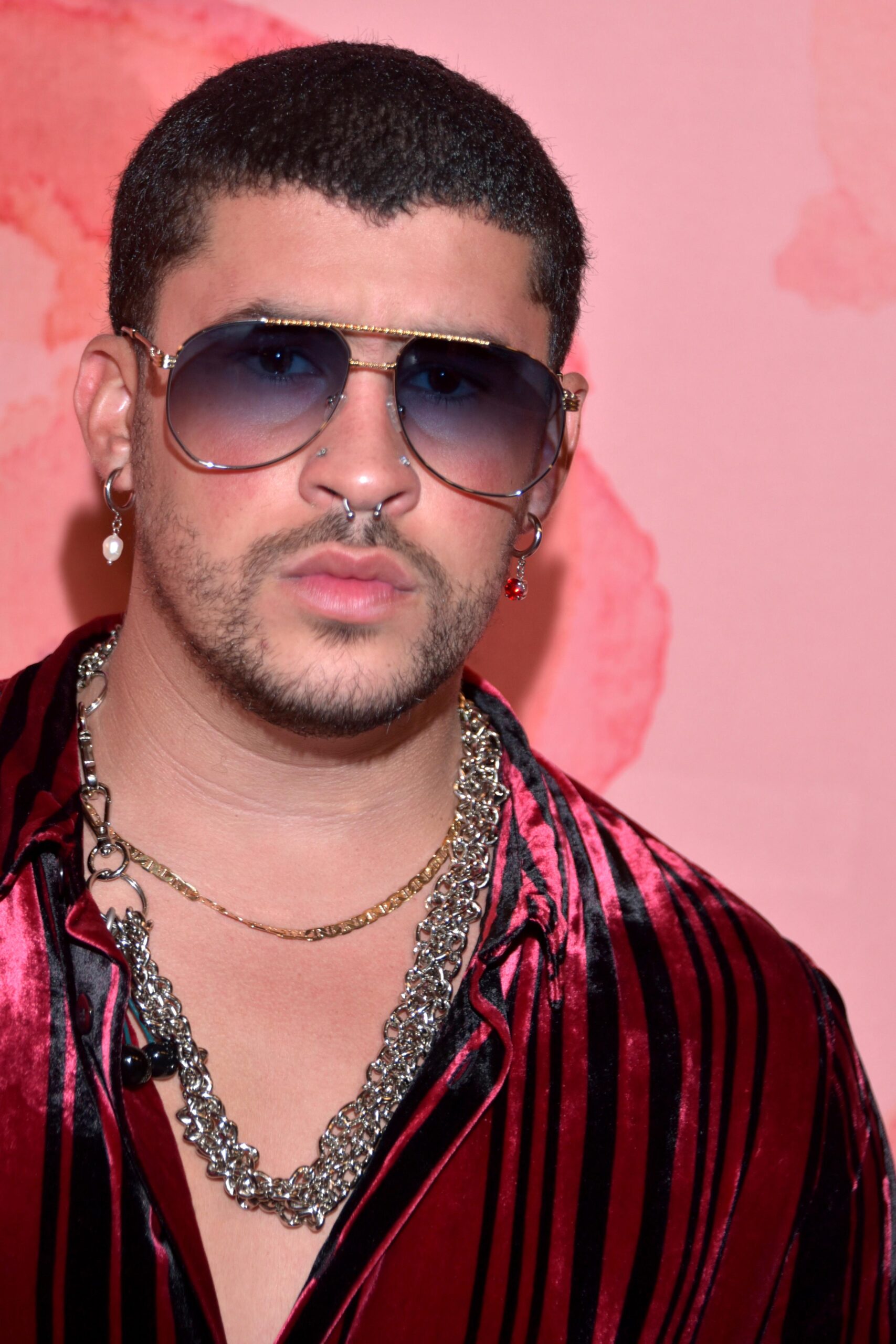
Title: Who is “Bad Bunny” and Why is MAGA Freaking Out Over His Super Bowl Halftime Appearance?
As the Super Bowl approaches, all eyes are not only on the teams vying for glory on the field but also on an unexpected cultural flashpoint: Puerto Rican reggaeton sensation, Bad Bunny. Known for his genre-defying music and unapologetic advocacy for social causes, Bad Bunny has become a voice for a generation, bridging the gap between Latinx culture and mainstream hip-hop. However, his highly anticipated halftime performance has sparked a wave of controversy that has rippled through conservative circles, particularly among supporters of the MAGA movement. Critics are voicing their concerns over his presence at one of the most-watched events in American sports-a platform traditionally dominated by a different demographic. This article explores the phenomenon of Bad Bunny, delving into his rise to fame, the cultural implications of his performance, and the reasons why his inclusion in the Super Bowl has ignited both fervent support and fierce backlash.
Exploring Bad Bunny’s Impact on Music and Culture
Bad Bunny, born Benito Antonio MartÃnez Ocasio, has emerged not just as a music sensation but as a cultural phenomenon. His ability to blend reggaeton, trap, and Latin music with unique rhythms and meaningful lyrics has allowed him to break traditional barriers. More than just a musician, Bad Bunny uses his platform to address pressing social issues such as gender equality, mental health awareness, and systemic racism, making his influence resonate globally. His collaborations with artists across various genres and his refusal to conform to conventional masculinity norms further exemplify his redefinition of what it means to be a pop icon in today’s world.
As Bad Bunny takes center stage at high-profile events like the Super Bowl, his impact reverberates through mainstream culture, eliciting both admiration and backlash. Many see his presence as a transformative force in a musical landscape often dominated by traditional narratives, prompting responses from right-leaning groups and individuals who feel threatened by his unapologetic embrace of Latinx identity and advocacy for social change. This cultural clash underscores the ongoing conversation about representation, identity, and the power of music to influence societal attitudes, highlighting why more people are turning to Bad Bunny as not just an entertainer but as a voice of a generation.
Analyzing the Political Backlash Surrounding the Super Bowl Halftime Show
The Super Bowl halftime show has long been a platform for artists to express their cultural identity and social messages, but the recent backlash against Bad Bunny’s performance highlights the intersection of music and politics in contemporary American society. Critics from the MAGA movement have expressed their discontent, accusing the Puerto Rican superstar of undermining traditional American values through his Latinx representation and vibrant performance style. Specifically, they argue that his integration of Spanish lyrics and cultural elements during a primetime show signals a shift away from the predominantly English-speaking narrative that many in this demographic hold dear. This reaction is a reflection of deeper tensions within the country surrounding issues of immigration, cultural assimilation, and race.
Moreover, the criticisms have sparked heated discussions on social media platforms, where influencers and commentators have rallied both in support of and against the artist. Supporters argue that Bad Bunny’s presence at the Super Bowl is a celebration of diversity and inclusivity, showcasing how Latinx culture has significantly shaped the American music landscape. In contrast, detractors often cling to an idealized version of Americana that they feel is being increasingly threatened. The backlash not only highlights the divisive nature of modern political discourse but also raises questions about the role of mainstream media in fostering unity or division. As the conversation unfolds, it becomes clear that Bad Bunny’s influence extends far beyond music, igniting debates about identity, representation, and the future of American cultural expression.
Understanding the Broader Implications of Celebrity Activism in Sports Events
The intersection of celebrity activism and major sports events offers a fertile ground for discussing broader societal issues. Figures like Bad Bunny leverage their immense platforms to address significant political and social themes, thereby shifting the focus from merely entertainment to critical conversation. By performing at high-profile events such as the Super Bowl, these celebrities can amplify messages that resonate with younger, diverse audiences, challenging them to participate in activism both online and offline. The backlash from groups such as MAGA illustrates the polarized nature of contemporary discourse, as audiences react strongly to perceived challenges to traditional values or beliefs by these influential personalities.
This phenomenon raises important questions about the power dynamics in sports and entertainment. For instance, when artists integrate political messages into their performances, it transcends mere artistry to become a statement about current issues, including immigration, racial equality, and social justice. The potential outcomes of such activism can include:
- Increased Awareness: Celebrity appearances can spotlight social issues that may otherwise be overlooked.
- Encouragement of Young Voices: Inspiring younger generations to engage in activism and speak out.
- Cultural Shifts: Push against traditional norms and provoke new dialogues within sports and entertainment.
To visualize the impact of celebrity activism, consider the following table, illustrating engagement levels on social media platforms before and after such events:
| Event | Pre-Engagement (Likes, Shares) | Post-Engagement (Likes, Shares) |
|---|---|---|
| Super Bowl Halftime Show 2022 | 1.2M | 5M |
| Grammy Awards 2021 | 800K | 3.5M |
| MTV Video Music Awards 2023 | 1.5M | 4.8M |
To Wrap It Up
In conclusion, Bad Bunny’s Super Bowl halftime appearance is emblematic of a larger cultural shift that challenges traditional norms and conventions within the entertainment industry. As a global superstar who seamlessly blends music, identity, and political influence, his role on such a prominent stage has ignited passionate discussions among diverse audiences, particularly among the political right. The controversy surrounding his performance reflects broader societal divides and underscores the powerful impact of celebrity in contemporary discourse.
As MAGA supporters express their concerns, it is essential to recognize that Bad Bunny represents more than just a musical phenomenon; he symbolizes a voice for many marginalized communities and a reflection of changing cultural dynamics in America. Ultimately, his appearance at the Super Bowl serves as a reminder of the ongoing tensions surrounding race, identity, and representation in mainstream media. As we move forward, the implications of this performance will likely resonate far beyond the football field, shaping conversations about art, activism, and the very fabric of American society.