
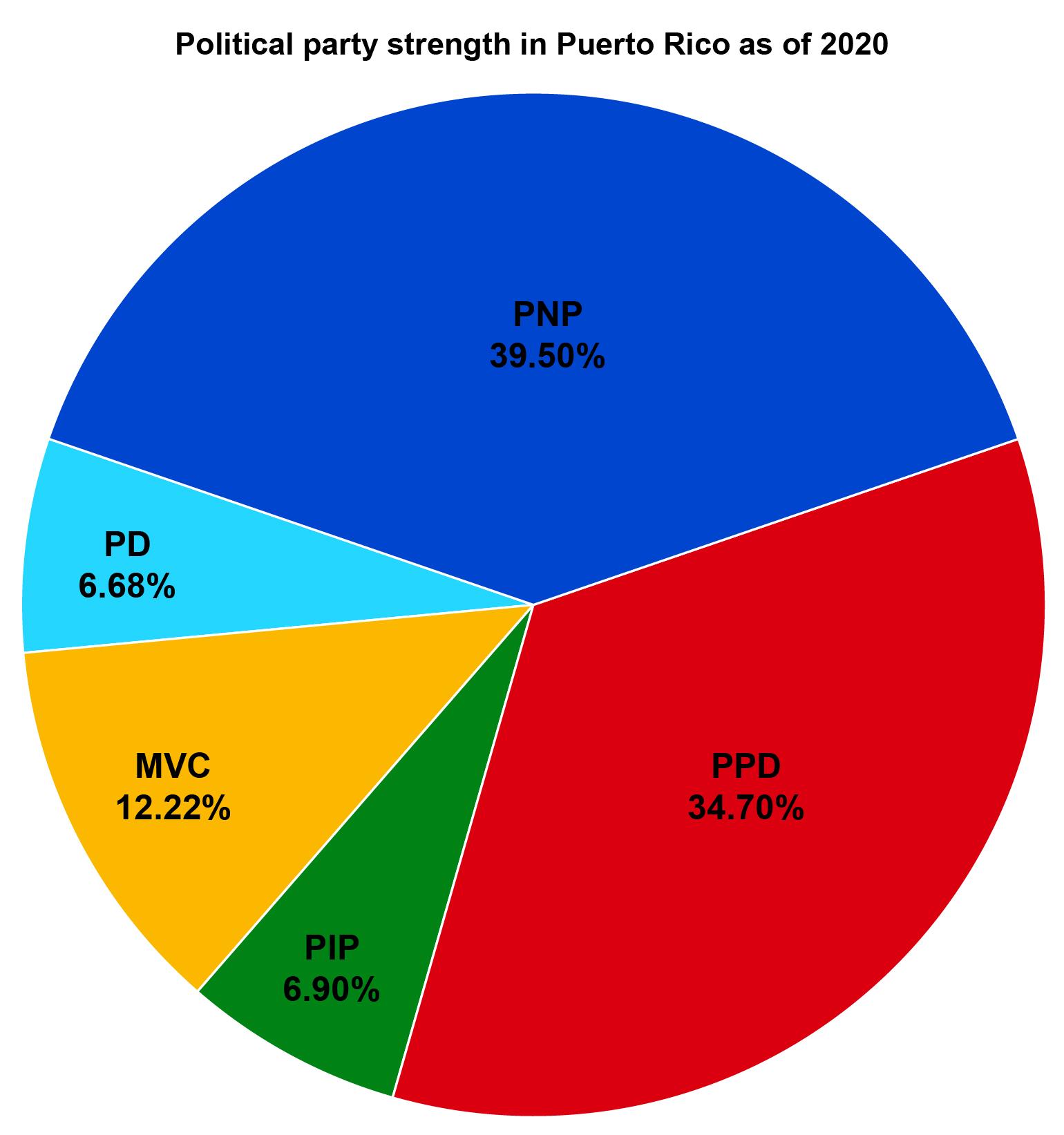
As debates surrounding statehood, independence, and enhanced autonomy continue to swirl, Puerto Rico’s political status remains a complex and often contentious issue. This U.S. territory, rich in culture and history, grapples with the implications of its colonial past and the challenges of its present governance. With over 3 million residents who pay federal taxes but lack full voting rights in Congress, the struggle for political identity and agency has sparked passionate discussions both on the island and on the mainland. In this article, we explore the intricate factors that contribute to Puerto Rico’s complicated political status, delving into historical precedents, economic ramifications, and the aspirations of its people-offering a comprehensive look at a territory caught in a unique and often precarious position.
Understanding the Historical Context of Puerto Rico’s Political Status
The political status of Puerto Rico is a complex interplay of historical events, colonial legacy, and modern geopolitical dynamics. Following the Spanish-American War in 1898, the island transitioned from Spanish colonial rule to becoming an unincorporated territory of the United States. Over the years, Puerto Rico has grappled with its identity and autonomy, oscillating between options of statehood, independence, and maintaining the current territorial status. This struggle has roots in the island’s economic challenges, cultural pride, and the desire for self-determination among its residents.
To better understand this situation, consider the following factors that contribute to Puerto Rico’s ongoing political conundrum:
- Historical Legislation: U.S. laws such as the Foraker Act (1900) and the Jones-Shafroth Act (1917) defined Puerto Rico’s political relationship with the mainland.
- Economic Influence: The Territorio’s economy has been heavily influenced by U.S. federal policies and practices.
- Political Movements: Various political parties and movements in Puerto Rico advocate for different statuses, from statehood to independence.
- Public Sentiment: Referendums held in recent decades reflect shifting public opinions on political status.
The discussions around Puerto Rico’s political status are also shaped by contemporary challenges. The island’s economic struggles, exacerbated by natural disasters and fiscal mismanagement, have led to a deeper debate regarding its rights and responsibilities as a U.S. territory. An understanding of the political milestones, such as the creation of the Puerto Rican Constitution in 1952 and current debates in Congress about its future, is essential to grasp the nuances of its status and the aspirations of its residents.
Examining the Economic Implications of Commonwealth Status
The economic implications of Puerto Rico’s Commonwealth status are multifaceted and deeply intertwined with its political identity. This unique status grants the island a degree of autonomy while still tethering it to the United States. Economic advantages include access to federal funding and programs, but these benefits often come with stringent regulations that can stifle local entrepreneurship. Additionally, Puerto Rico’s portion of federal tax revenues creates a dependency that complicates economic sustainability, exacerbating existing fiscal challenges. The island’s economy suffers from lower job growth compared to mainland counterparts, partly due to constraints imposed by the federal government on business and trade practices.
Moreover, the interplay between Commonwealth status and economic viability raises questions on the long-term prospects for sustainable development. Key factors influencing this economic landscape include:
- The implications of federal tax exemptions under Section 936, which previously incentivized business growth.
- High unemployment rates, exacerbated by emigration as residents search for better opportunities.
- The ongoing debt crisis, prompting debates about bankruptcy options and restructuring.
To illustrate these challenges, consider the following table reflecting Puerto Rico’s economic indicators compared to U.S. averages:
| Economic Indicator | Puerto Rico | United States |
|---|---|---|
| Unemployment Rate | 8.5% | 4.6% |
| Poverty Rate | 43.1% | 12.3% |
| Median Household Income | $20,000 | $68,700 |
This stark contrast underscores the need for a reevaluation of Puerto Rico’s political status and its direct effect on economic prosperity, paving the way for critical discussions about the future direction of the territory. The path forward requires not only political resolve but also a rethinking of economic strategies that embrace local innovation while navigating federal limitations.
Exploring Pathways to a Sustainable Political Future for Puerto Rico
As the debate over Puerto Rico’s political status intensifies, various pathways toward achieving a more sustainable political future are emerging. Advocates for statehood argue that full representation in Congress and an equal footing with mainland states would empower the island to address its chronic economic challenges more effectively. Conversely, supporters of independence emphasize the need for self-determination and the opportunity to establish a unique identity free from colonial legacy. To navigate these complex options, the following factors must be considered:
- Economic Viability: How will each political status impact economic growth and stability?
- Federal Support: What level of federal assistance would be guaranteed under each option?
- Cultural Identity: How does each pathway affect Puerto Rico’s cultural heritage and social equity?
Additionally, a transparent and inclusive process for decision-making is crucial. A referendum may not suffice if the implications of each status are not fully understood by the electorate. Public engagement through town halls, educational campaigns, and collaborative discussions with local leaders can help demystify these choices. The table below presents a snapshot of the potential benefits and challenges of the primary status options currently being debated:
| Political Status | Benefits | Challenges |
|---|---|---|
| Statehood | Equal representation, access to federal funding | Resistance from those favoring independence or enhanced autonomy |
| Independence | Full control over governance, cultural preservation | Economic uncertainty, potential loss of federal support |
| Enhanced Commonwealth | Autonomy, retention of some federal benefits | Lack of clarity on the extent of self-governance and support |
Key Takeaways
In conclusion, Puerto Rico’s political status remains a complex and multifaceted issue, deeply rooted in its colonial past and shaped by ongoing debates surrounding autonomy, representation, and economic viability. As the island navigates the challenges of its unique relationship with the United States, the voices of its residents continue to call for a resolution that reflects their aspirations and rights. Understanding this intricate political landscape is crucial for grasping the broader implications for both Puerto Rico and the U.S. as they confront the question of sovereignty in an increasingly interconnected world. As discussions about statehood, independence, and the territory’s future persist, it is clear that the path toward clarity and resolution is anything but straightforward. The story of Puerto Rico is not just one of struggle; it is also a narrative of resilience and hope for a future shaped by its people.











