
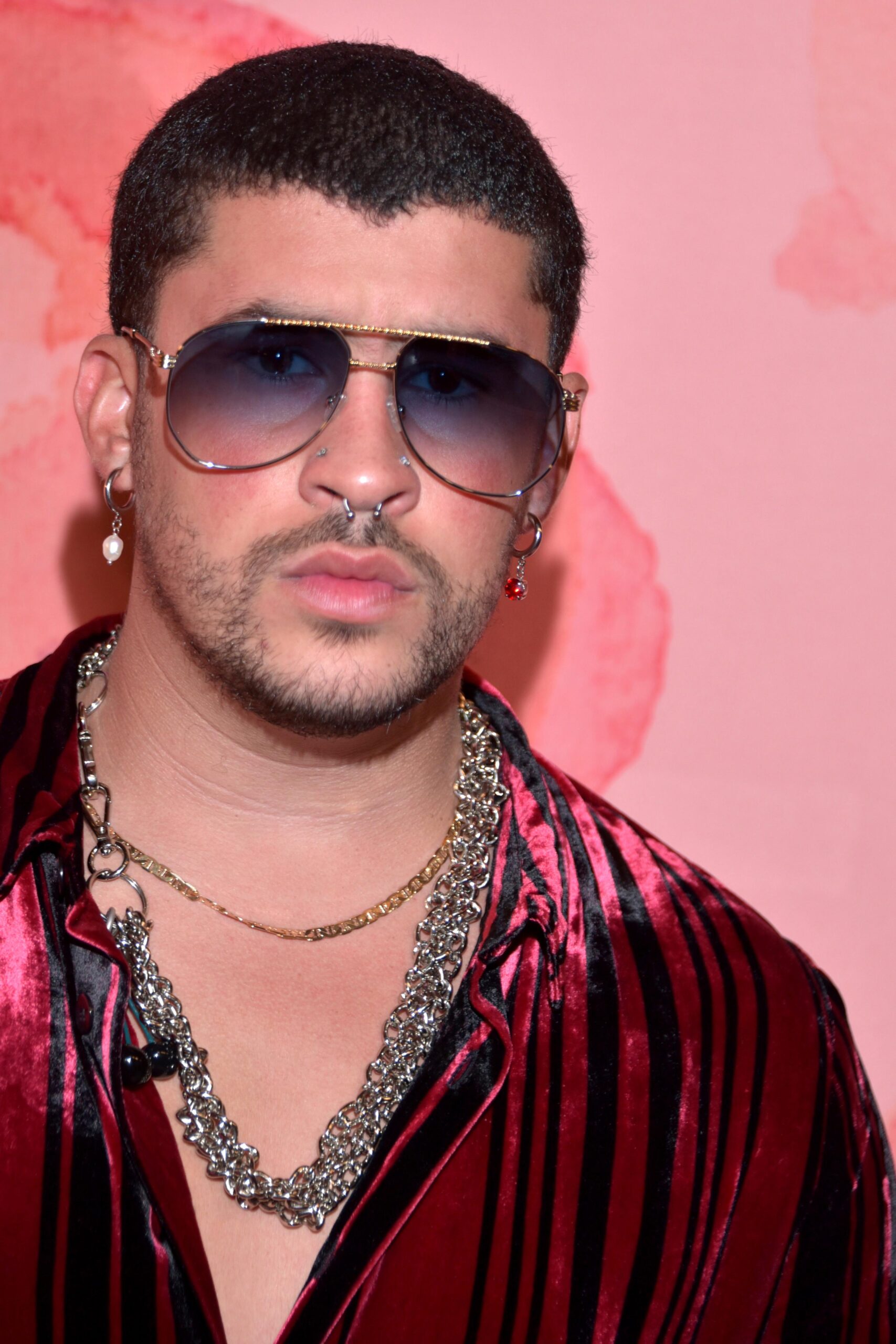
In recent years, Puerto Rican artist Bad Bunny has emerged as a global pop culture phenomenon, captivating audiences with his innovative blend of reggaeton, Latin trap, and genre-defying sounds. His meteoric rise not only showcases his musical prowess but also highlights the complexities of Puerto Rican visibility in the contemporary cultural landscape. As Bad Bunny garners acclaim and commercial success, discussions surrounding identity, representation, and the challenges faced by Puerto Rican artists take center stage. This article explores the paradox of Puerto Rican visibility epitomized by Bad Bunny-an artist who simultaneously elevates the island’s cultural identity while navigating the intricate dynamics of fame, commercialization, and the socio-political realities that continue to shape Puerto Rican life. Through an examination of his influence and the conversations he sparks, we delve into what it truly means to be seen in a world where representation and authenticity are continually at odds.
The Impact of Bad Bunny on Puerto Rican Culture and Identity
Bad Bunny has transcended the typical boundaries of music to become a cultural phenomenon, deeply influencing how Puerto Rican identity is perceived both locally and globally. His ability to blend various musical genres-trap, reggaeton, and rock-reflects the diverse influences that characterize Puerto Rican culture. Furthermore, his lyrics often tackle pressing social issues, such as gender equality and mental health, resonating significantly with younger generations. By openly discussing these topics, Bad Bunny encourages conversations around topics that are often considered taboo, ultimately fostering a sense of community and collective empowerment among Puerto Ricans.
Moreover, Bad Bunny’s visibility on international platforms has positioned him as an emblem of Puerto Rican pride and resilience, sparking discussions about cultural representation in a wider context. This visibility can lead to what some may call the “paradox of Puerto Rican representation,” where increased global attention does not always translate to authentic appreciation or understanding of the culture. In the following table, key aspects of Bad Bunny’s cultural impact are illustrated:
| Aspect | Description |
|---|---|
| Influence on Music | Blending genres, reshaping reggaeton |
| Social Commentary | Addressing gender, mental health, and politics |
| Global Reach | Bringing Puerto Rican culture to worldwide audiences |
| Cultural Representation | Inspiring pride and identity among Puerto Ricans |
Navigating the Duality of Fame and Authenticity in the Latin Music Scene
The duality of fame and authenticity presents a unique challenge for artists in the Latin music scene, particularly figures like Bad Bunny, whose meteoric rise has made him a cultural icon. While his success brings unprecedented visibility to Puerto Rican culture, it also raises questions about the commercialization of authenticity. Fans and critics alike are often torn between celebrating his mainstream achievements and scrutinizing whether such visibility dilutes the very essence of the roots he represents. Bad Bunny’s ability to blend reggaeton, trap, and traditional Latin sounds exemplifies the genre’s evolution, yet it sparks debates on whether his music remains true to its cultural origins or succumbs to the pressures of global marketability.
Moreover, the expectations placed upon artists like Bad Bunny are layered and complex. As he navigates through fame, the responsibilities of representation can become burdensome. The artist finds himself in a quandary: should he prioritize personal expression or cater to the demands of a global audience? To illustrate this paradox, consider the following points:
- Visibility vs. Authenticity: The tension between being a local representative and a global superstar.
- Industry Pressure: Expectations to conform to commercial norms can overshadow artistic integrity.
- Community Impact: The influence of Bad Bunny’s fame on the perception of Puerto Rican culture worldwide.
By addressing these complexities, Bad Bunny offers a lens through which we can examine the broader implications of fame for Latin artists and their cultural narratives.
Strategies for Amplifying Puerto Rican Voices Beyond Celebrity Narratives
To cultivate genuine representation of Puerto Rican culture beyond the confines of celebrity narratives, it is essential to employ grassroots initiatives that elevate local voices and stories. These efforts can include:
- Community storytelling workshops: Engaging residents in sharing their experiences fosters a deeper understanding of Puerto Rican identity.
- Supporting local media: Investing in independent publications, podcasts, and online platforms that prioritize Puerto Rican content can shift the narrative away from mainstream celebrity culture.
- Collaborative art projects: Public art installations and murals that reflect Puerto Rican traditions and issues can invite broader conversations and visibility.
Moreover, an emphasis on education and cultural exchange can further amplify these voices. Structured programs in schools and universities that incorporate Puerto Rican history and contributions encourage appreciation and awareness among younger generations. Initiatives could feature:
| Program | Description |
|---|---|
| Cultural Exchange Programs | Facilitate intercultural projects with Puerto Rican students and global peers. |
| Public Lectures | Invite Puerto Rican historians and artists to speak on their craft and heritage. |
| Ethnographic Research | Encourage students to document and present local folklore and traditions. |
In Conclusion
In conclusion, Bad Bunny’s meteoric rise to global stardom underscores both the power and paradox of Puerto Rican visibility in contemporary culture. While his music and influence have illuminated the richness of Puerto Rican identity, they also highlight the complexities of representation in an entertainment landscape that often commodifies cultural authenticity. As Bad Bunny continues to break barriers and challenge societal norms, his journey serves as a critical reminder of the ongoing struggle for authentic visibility and recognition within the broader narrative of Latinx and Caribbean experiences. The conversations sparked by his presence are not just a celebration of his achievements, but a call to action for a deeper engagement with the cultural, social, and political realities faced by Puerto Ricans and other marginalized communities. As we anticipate what he will accomplish next, it is essential to reflect on the significant role of representation in shaping both individual identities and collective histories.











