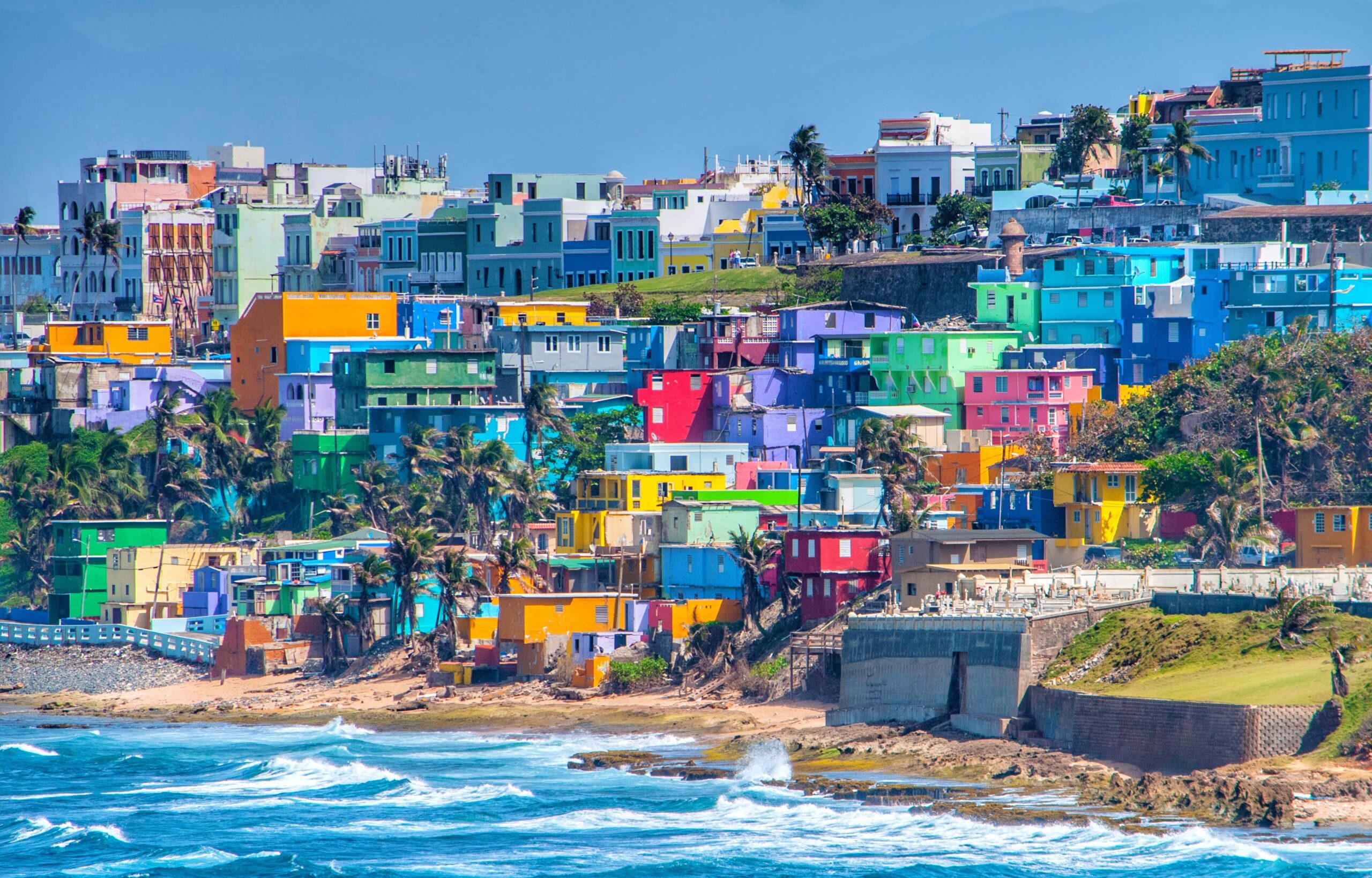
How Puerto Rico Went From a Conquistador’s Playground to US Territory
Puerto Rico’s vibrant history is a tapestry woven with threads of conquest, colonization, and complex political evolution. Once the playground of Spanish conquistadors, this Caribbean island has undergone profound transformations over the centuries, reflecting broader shifts in power, culture, and identity. From the arrival of Christopher Columbus in 1493, which heralded an era of European exploration and exploitation, to its current status as an unincorporated territory of the United States, Puerto Rico’s journey is marked by tumultuous events and significant milestones. This article delves into the historical intricacies that have shaped Puerto Rico’s identity, exploring how it navigated the turbulent waters of colonialism and imperialism to emerge as a unique political entity within the American landscape, all while grappling with the enduring implications of its colonial past and current territorial status.
The Colonial Legacy of Conquest and Its Impact on Puerto Rico’s Identity
The historical trajectory of Puerto Rico has been profoundly shaped by its colonial past, beginning with the arrival of Spanish conquistadors in the early 16th century. This era marked the imposition of European values and culture upon the indigenous TaÃno population, resulting in a devastating decline of their society. The influence of Spanish rule laid the groundwork for a complex identity characterized by a unique blend of cultural elements. Today, various aspects such as language, religion, and familial structures reveal the enduring marks of this colonial legacy:
- Language: The predominance of Spanish reflects the colonial past, while English also plays a significant role due to U.S. influence.
- Religion: Predominantly Roman Catholic, the religious practices were deeply rooted in Spanish traditions, intermingling with local beliefs.
- Social Structure: The hierarchical systems established during colonialism continue to shape social dynamics in contemporary Puerto Rican society.
The transition from Spanish dominion to U.S. territory in 1898 instigated new layers of identity, resulting in an ongoing struggle concerning cultural assimilation and national pride. The implementation of U.S. laws and governance introduced a modern framework that has led to tensions between maintaining a distinct Puerto Rican identity and embracing American citizenship. The following table illustrates key milestones in this evolution:
| Year | Event |
|---|---|
| 1493 | Christopher Columbus claims Puerto Rico for Spain. |
| 1898 | The Spanish-American War leads to U.S. control over Puerto Rico. |
| 1917 | Puerto Ricans granted U.S. citizenship. |
| 1952 | Puerto Rico becomes a U.S. Commonwealth. |
These historical markers highlight the ongoing negotiation of identity within Puerto Rico, revealing how the remnants of conquest continue to influence the island’s social fabric and collective consciousness.
Navigating the Transition: Puerto Rico’s Journey to Becoming a US Territory
The journey of Puerto Rico from a tropical island known for its conquistador legacy to a strikingly complex relationship with the United States is a narrative woven with ambition, conflict, and shifting political landscapes. Following the Spanish-American War in 1898, Puerto Rico was ceded to the United States under the Treaty of Paris. This transition was not merely a change of flags; it marked a turning point that redefined the island’s cultural identity and political aspirations. The Foraker Act of 1900 established a civil government but placed Puerto Rico under U.S. control, creating a system that would spark debates regarding the rights and status of Puerto Ricans. The island’s residents were granted a unique status, not quite a state, yet not entirely independent, leading to a hybrid civic existence that has continued to evolve over the years.
Throughout the 20th century, the island experienced waves of political activism and social movements as Puerto Ricans sought to assert their identities and rights. The establishment of the Commonwealth in 1952 brought forth an era of self-governance, yet questions about statehood, independence, and territorial status remained unresolved. Key milestones, including the plebiscites in the late 20th and early 21st centuries, showcased the complexities and divisions within Puerto Rico’s population regarding their future. Today’s discussions often reflect on the implications of hurricane recovery efforts, economic challenges, and an outdated political framework, emphasizing that the path forward must be navigated with both caution and clarity.
| Year | Event |
|---|---|
| 1898 | Puerto Rico ceded to the U.S. after the Spanish-American War |
| 1900 | Foraker Act establishes U.S. control and civil government |
| 1952 | Puerto Rico becomes a Commonwealth |
| 2012 & 2017 | Plebiscites held to discuss status options |
The Socioeconomic Ramifications of Territory Status and Future Prospects for Puerto Rico
The ongoing debate surrounding Puerto Rico’s territory status reveals significant socioeconomic consequences for its residents. As an unincorporated territory of the United States, Puerto Rico does not enjoy the same fiscal and political rights as U.S. states, leading to unique challenges. Key impacts include:
- Economic Disparities: The island suffers from high unemployment rates, poverty, and a shrinking economy.
- Federal Funding: Puerto Rico often receives reduced federal assistance, affecting healthcare, education, and infrastructure.
- Taxation Issues: While residents are U.S. citizens, they are exempt from federal income tax, resulting in a convoluted tax landscape that can hinder investment.
Looking ahead, future prospects for Puerto Rico hinge on potential changes in its political status. Options for the island range from maintaining its territory status to seeking statehood or complete independence. Any of these pathways could redefine its economic landscape, influencing factors such as:
- Investment Opportunities: Enhanced status could attract new businesses and tourism.
- Access to Resources: Statehood might unlock federal funding mechanisms currently unavailable to the territory.
- Cultural Preservation: Severing ties could also foster a renewed sense of identity and community governance.
In Conclusion
In conclusion, the transformation of Puerto Rico from a sought-after jewel of the Conquistadors to an unincorporated territory of the United States is a complex narrative shaped by centuries of conquest, colonization, and political maneuvering. As the island continues to navigate its identity and status, the lessons from its tumultuous past remain vital for understanding the ongoing challenges it faces today. The interplay of cultural heritage, economic constraints, and political aspirations in Puerto Rico is a testament to its resilience, revealing a community that continues to adapt and redefine itself against a backdrop of historical shifts. As the debate over its future unfolds, the story of Puerto Rico serves as a crucial chapter in the broader context of colonial legacies and territorial governance. The evolution of this Caribbean island reminds us that history is not merely a recount of events but a lens through which we can better grasp contemporary issues and aspirations for self-determination.