
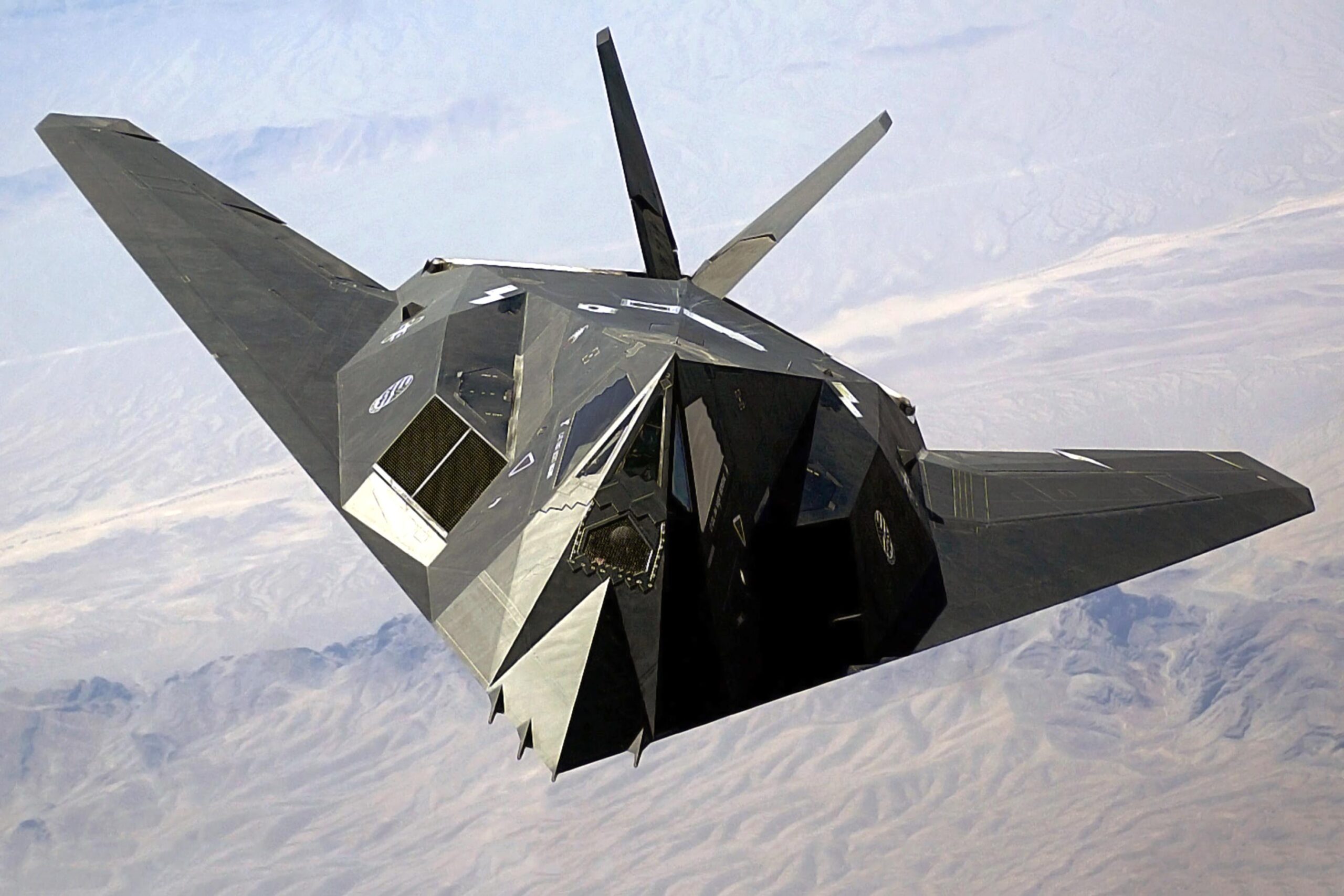
In a bold move aimed at bolstering security in the Caribbean region, former President Donald Trump has ordered the deployment of ten stealth fighter planes to Puerto Rico as part of a larger initiative to combat the escalating threat posed by drug cartels operating within the area. The decision comes amid growing concerns over the influence and activities of these criminal organizations, which have increasingly encroached on U.S. territories and neighboring nations. This military intervention signals a significant shift in strategy as the U.S. intensifies its war on drugs, with Puerto Rico serving as a critical frontline in the battle against trafficking networks that have long plagued the region. As the situation unfolds, it raises questions about the implications for local communities and the broader geopolitical landscape of the Caribbean.
Trump’s Strategic Military Move: Deploying Stealth Fighters to Combat Caribbean Drug Cartels
The recent deployment of ten stealth fighter planes to Puerto Rico marks a significant escalation in the ongoing fight against drug cartels operating in the Caribbean region. This move, spearheaded by the Trump administration, aims to bolster aerial surveillance and rapid-response capabilities as authorities seek to disrupt the intricate networks of narcotics trafficking prevalent in these waters. The use of advanced military technology underscores a strategic pivot toward a more aggressive posture in addressing the threats posed by these criminal enterprises, which have increasingly challenged both local and federal efforts to maintain law and order.
Officials have outlined several key objectives associated with this military enhancement:
- Enhanced Surveillance: Utilizing cutting-edge technology for real-time intelligence gathering.
- Rapid Response: Improved capacity to intercept drug shipments before they reach U.S. shores.
- International Cooperation: Strengthening ties with regional partners in combating organized crime.
In conjunction with this deployment, the administration plans to reinforce support for local law enforcement agencies, ensuring that they are equipped to work alongside federal forces. The combined efforts are expected to create a formidable presence that not only deters cartel activities but also reassures communities affected by the scourge of drugs.
Impact Assessment: How Enhanced Air Power Aims to Disrupt Narcotics Trafficking in Puerto Rico
The recent deployment of ten stealth fighter planes to Puerto Rico represents a significant escalation in the ongoing battle against narcotics trafficking in the Caribbean. By leveraging advanced aerospace capabilities, the U.S. aims to enhance its operational efficiency in monitoring and interdicting illicit drug shipments before they reach U.S. shores. The integration of aerial reconnaissance and precision strike capabilities is designed to create a multi-layered defense strategy that disrupts the logistical networks of powerful drug cartels operating within the region. This initiative could potentially alter the dynamics of drug trafficking routes, leading to a decline in the accessibility and distribution of narcotics across the islands and mainland.
Enhanced air power brings several tactical advantages in the fight against narcotics, including:
- Real-time Surveillance: Stealth aircraft equipped with state-of-the-art sensors can provide detailed intelligence on suspected narcotics transit points.
- Rapid Response: The ability to deploy air strikes on drug trafficking vessels and facilities allows for immediate disruption of operations.
- Inter-agency Coordination: Enhanced air capabilities improve collaboration between federal, state, and local law enforcement agencies in tracking and apprehending drug traffickers.
To analyze the potential impact of the enhanced air power initiative, the following table summarizes the key operational changes expected with the introduction of stealth fighter planes:
| Operational Aspect | Current State | Projected Improvement |
|---|---|---|
| Surveillance Coverage | Limited to ground units | Expanded to aerial reconnaissance |
| Response Time | Hours | Minutes |
| Interdiction Success Rate | 20% | Potentially over 50% |
Recommendations for Future Operations: Balancing Militarization and Community Engagement in Anti-Drug Efforts
To effectively address the challenges posed by Caribbean drug cartels, future operations must strike a crucial balance between militarized enforcement and proactive community engagement. A purely security-focused approach risks alienating local populations, exacerbating existing tensions, and undermining any potential collaborative efforts. Therefore, strategies should incorporate feedback from community leaders, ensuring that interventions align with local needs and foster trust. Key components could include:
- Community Outreach Programs: Establishing dialogues with residents to create awareness and build rapport.
- Resource Allocation: Diverting a portion of military funding towards education and drug prevention initiatives.
- Empowerment Initiatives: Support for local businesses and youth employment programs to reduce dependency on illegal activities.
Furthermore, it is essential to integrate intelligence-sharing and collaborative policing into operational frameworks. Local law enforcement should have increased access to military resources, facilitating a seamless partnership in pursuit of comprehensive safety. The following table outlines potential benefits of collaboration between military and local authorities:
| Aspect | Benefit |
|---|---|
| Intelligence Sharing | Improved situational awareness and faster response times. |
| Joint Training Exercises | Enhanced skills and cooperation among forces. |
| Community Policing | Stronger relationships with residents, reducing fear and stigma. |
Wrapping Up
In conclusion, the deployment of ten stealth fighter planes to Puerto Rico marks a significant escalation in the United States’ efforts to combat the pervasive influence of drug cartels operating in the Caribbean. This strategic move reflects a growing concern over the escalation of drug-related violence and trafficking that threatens not only Puerto Rico but also the broader region. As tensions rise and the fight against these criminal organizations intensifies, the implications of this military presence will be closely monitored by both local authorities and international observers. The effectiveness of this intervention in curbing the drug trade and enhancing security in Puerto Rico remains to be seen, but it undoubtedly represents a decisive shift in U.S. policy toward combating organized crime in the Caribbean. As the situation evolves, many will be watching to see how these developments impact not only drug interdiction efforts but also the relationship between the U.S. and its Caribbean territories.











