
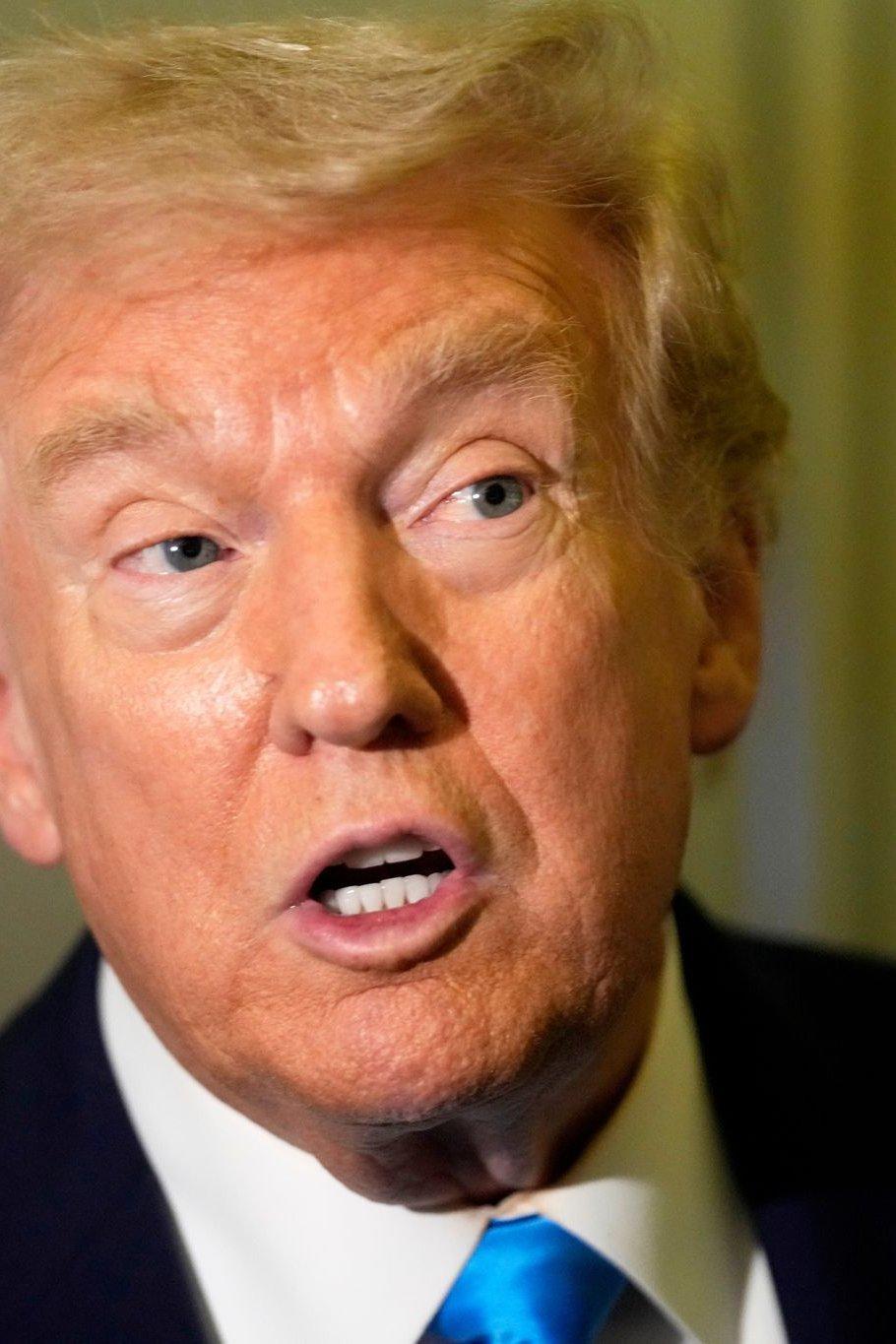
In a significant development in the relationship between the U.S. government and Puerto Rico, former President Donald Trump has taken the controversial step of firing the oversight board tasked with managing the island’s financial crisis. This decision, detailed in an op-ed published by The Wall Street Journal, raises critical questions about the future of Puerto Rico’s recovery efforts and the broader implications for federal oversight in territories facing economic turmoil. As the island continues to grapple with the fallout from natural disasters and economic instability, Trump’s move sheds light on the tensions between local autonomy and federal intervention, illustrating the complex dynamics that define Puerto Rico’s political landscape. In this article, we explore the reasons behind Trump’s decision, its potential consequences, and the ongoing challenges facing the people of Puerto Rico.
Examining the Context Behind Trump’s Decision to Dismiss Puerto Rico’s Financial Oversight Board
The decision to eliminate Puerto Rico’s Financial Oversight Board cannot be viewed in isolation; it is important to consider the political climate and the economic backdrop that led to this unprecedented move. With a backdrop of significant economic challenges in Puerto Rico, including prolonged recession and the aftermath of Hurricane Maria, the board was established in 2016, purportedly to restore fiscal stability through strict oversight. However, critics argue that the board’s actions often stifled local initiatives and deepened the island’s economic woes rather than alleviating them. This discontent has resonated with many Puerto Ricans, and Trump’s decision to dismiss the board might reflect a bid to align with this sentiment. By portraying the board as a heavy-handed bureaucratic entity, he may have aimed to not only signal support for the local populace but also to distance himself from a framework that was increasingly viewed as counterproductive.
Additionally, the political implications of such a decision are noteworthy. Key factors include:
- The upcoming elections and a desire to woo Puerto Rican voters.
- Legal implications stemming from public outcry against the board’s inefficacy.
- Broader political strategies aimed at shaping national narratives around fiscal governance and states’ rights.
The termination of the oversight body can be interpreted as a strategic maneuver designed to bolster Trump’s image among constituents who are wary of federal intervention in local matters. Moreover, this dismissal could set a precedent for challenging similar oversight bodies across the nation, suggesting a significant shift in the understanding of federal-state relations amidst a rapidly changing political landscape.
Assessing the Implications for Puerto Rico’s Fiscal Stability and Governance
The abrupt dismissal of Puerto Rico’s oversight board has raised critical questions about the island’s fiscal stability and governance. As the board, established under the Promesa Act, aimed to restore order and transparency amidst the debt crisis, its removal signals potential volatility in economic management. Observers note that this change could lead to a power vacuum where local leaders may struggle to make decisions without the oversight mechanisms that were previously in place. Key concerns include:
- Debt Management: Without a structured approach to handle existing debt obligations, Puerto Rico risks defaulting again.
- Budgetary Discipline: The absence of oversight could prompt fiscal irresponsibility, jeopardizing critical public services.
- Political Stability: Increased tensions between local authorities and federal entities might destabilize governance.
Moreover, the interplay between local governance and federal oversight raises concerns about long-term sustainability. For Puerto Rico, the challenges involve balancing local autonomy with the need for prudent fiscal management to attract investment and foster growth. An analysis of potential outcomes could be captured in the following table:
| Potential Outcomes | Implications |
|---|---|
| Increased Local Autonomy | Encourages innovation but risks neglecting fiscal discipline. |
| Heightened Federal Intervention | Could restore stability but may face local resistance. |
| Economic Uncertainty | Potential fluctuations in investor confidence affecting growth. |
Recommendations for Strengthening Local Leadership and Economic Recovery Efforts
To bolster local leadership and catalyze economic recovery in Puerto Rico, a multi-faceted approach is essential. Investing in community-driven initiatives can empower local leaders to take ownership of their regions and foster long-term enhancements in governance. Key strategies may include:
- Supporting local entrepreneurs through grants and microloans tailored to stimulate homegrown business development.
- Enhancing educational programs that equip residents with the skills necessary for the evolving job market.
- Encouraging collaboration between public and private sectors to create jobs and attract investment.
- Implementing transparent governance practices to build trust and stimulate civic engagement.
Moreover, strategic investments in infrastructure and technology can catalyze economic growth while ensuring sustainability. Local governments must prioritize the improvement of basic services, such as transportation and utilities, to create a conducive environment for business. The table below summarizes essential infrastructure priorities:
| Infrastructure Area | Investment Focus | Expected Outcome |
|---|---|---|
| Transportation | Road upgrades and transit systems | Improved accessibility and economic mobility |
| Energy | Renewable energy projects | Lower energy costs and sustainability |
| Telecommunications | Broadband expansion | Increased connectivity for businesses and education |
In Retrospect
In conclusion, Donald Trump’s decision to dismiss the overseers of Puerto Rico’s financial management underscores a significant shift in the island’s governance amidst ongoing economic challenges. While the move may reflect the administration’s desire to shift responsibility back to local authorities, it also raises questions about the potential impact on Puerto Rico’s recovery efforts and fiscal stability. As the territory continues to navigate the complexities of rebuilding from disaster and addressing long-standing debt issues, the ramifications of this decision will be closely monitored by stakeholders both on the island and in Washington. The outcomes will likely influence the future dynamics of U.S. territory relations, provoking further debate on the effectiveness of oversight, local governance, and the balance of power in addressing Puerto Rico’s unique challenges. As developments unfold, the implications of this significant administrative change will warrant ongoing scrutiny and analysis.









