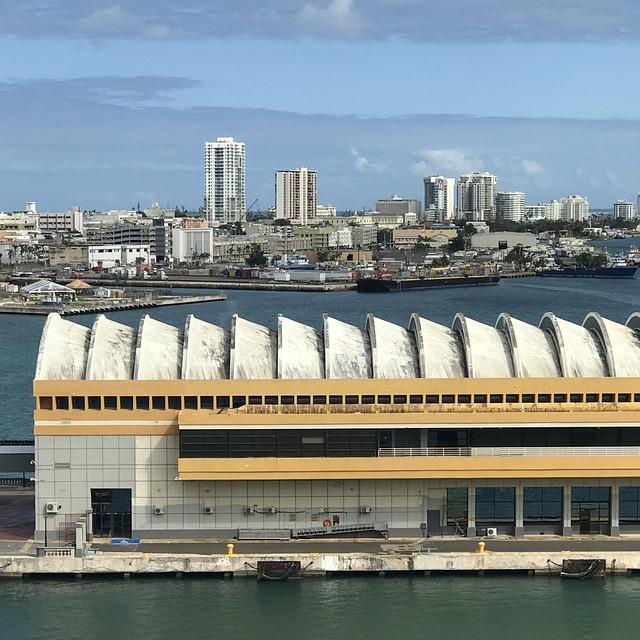
In the wake of recent discussions surrounding Puerto Rico’s political status, the question of how the island became a part of the United States-and why it remains a territory rather than a state-has garnered renewed attention. As debates regarding statehood and self-determination continue to unfold, understanding the historical context of Puerto Rico’s annexation following the Spanish-American War in 1898 is crucial. This article delves into expert insights that unravel the complex legal, political, and social factors that have shaped Puerto Rico’s unique status over the years. From the implications of colonial governance to the persistent push for statehood amidst economic challenges, we explore the multifaceted reasons behind Puerto Rico’s ongoing relationship with the United States, shedding light on a topic that resonates deeply within both Puerto Rican communities and broader American society.
Historical Context of Puerto Rico’s Annexation and Its Implications
The journey toward Puerto Rico’s annexation by the United States began in the waning days of the Spanish-American War in 1898. Following a decisive military intervention, the Treaty of Paris formally ceded Puerto Rico from Spanish to American control, marking the island’s transition into colonial status under U.S. governance. This shift was marked by a complex interplay of military strategy, economic interests, and a burgeoning ideology of Manifest Destiny, which compelled expansion into Latin America and the Caribbean. The implications for Puerto Rico’s political status were immediate, yet contentious, as the island’s inhabitants navigated their identity within this new framework, simultaneously handling the juxtaposition of promises of governance and autonomy against the reality of limited self-determination.
Throughout the 20th century, the United States established a series of territorial arrangements impacting Puerto Rico’s governance, leading to the establishment of its Commonwealth status in 1952. Despite this designation, residents of Puerto Rico remain U.S. citizens without the full suite of rights and privileges afforded to state residents, particularly in representation within Congress and electoral participation in presidential elections. Key factors contributing to this continued ambiguity include:
- Puerto Rico’s economic reliance on federal aid
- The strategic military importance of the island
- Political debates surrounding statehood versus independence
This unresolved status maintains a veil of uncertainty over the island’s future, as aspirations for statehood or independence continue to prompt discussions of identity and self-governance amid an evolving political landscape.
Current Political Status: The Complexities of Puerto Rico’s Commonwealth Status
The political status of Puerto Rico remains a contentious and intricate issue, reflecting both historical legacies and contemporary challenges. Puerto Rico has been a territory of the United States since 1898, following the Spanish-American War, when it was ceded by Spain. Since then, its relationship with the U.S. has evolved, characterized by a unique commonwealth status that grants it certain local governance rights while preserving overarching federal authority. This arrangement has led to ongoing debates among political leaders, residents, and experts about the merits and drawbacks of such a status, particularly when juxtaposed with statehood, independence, or free association.
Key complexities of Puerto Rico’s commonwealth status include:
- Federal Oversight: While Puerto Rico maintains some legislative autonomy, it is still subject to U.S. federal laws and lacks full voting representation in Congress.
- Economic Limitations: The territory faces economic constraints that are often exacerbated by its non-state status, impacting federal funding and disaster recovery efforts.
- Cultural Identity: Many Puerto Ricans value their distinct cultural identity, leading to resistance against statehood and a preference for maintaining their current status.
Below is a table summarizing the key features of Puerto Rico’s political status:
| Feature | Puerto Rico | U.S. States |
|---|---|---|
| Representation in Congress | Non-voting Resident Commissioner | Full voting members |
| Federal Income Tax | Generally not applicable | Applicable |
| Local Government | Autonomous | Autonomous |
The dialogue around Puerto Rico’s future continues to evolve as various referendums have indicated public interest in changing its status, leading to divisions in public opinion. As the island grapples with economic recovery and political identity, the quest for a resolution to its political status highlights not only the aspirations of its residents but the broader implications for U.S. governance and democracy.
Future Prospects: Analyzing Statehood Movements and Potential Pathways Forward
The future of Puerto Rico’s status within the United States continues to spark debate among lawmakers, activists, and citizens alike. The island has long navigated the complex waters of statehood movements, fueled by a strong desire for self-determination and political representation. Several factors play a pivotal role in steering this discussion:
- Political Will: The actions of Congress and the stance of the U.S. President significantly impact the prospects for Puerto Rico’s statehood.
- Public Opinion: Referendums and surveys reflect a divided opinion among Puerto Ricans regarding statehood, commonwealth status, or independence.
- Economic Considerations: The potential financial impacts of statehood on both Puerto Rico and the federal government remain a critical point of analysis.
Despite these challenges, pathways toward potential statehood or alternative arrangements are being explored. Recent legislative proposals aim to address the intricacies of Puerto Rico’s unique relationship with the U.S. A current analysis table summarizes possible future scenarios:
| Scenario | Outline | Implications |
|---|---|---|
| Statehood | Full status as the 51st state | Increased representation and federal support, but resistance in Congress may linger |
| Enhanced Commonwealth | Improved local governance while retaining some federal ties | Potential for economic support without full statehood challenges |
| Independence | Complete autonomy from U.S. governance | Strong push for self-determination, though economic uncertainties |
Wrapping Up
In conclusion, the story of Puerto Rico’s relationship with the United States is one marked by complex historical events, political maneuverings, and a continuing struggle for identity and autonomy. While the island became a U.S. territory following the Spanish-American War, its status as a non-state raises important questions about democracy, representation, and the will of its people. As experts articulate, the desire for statehood or greater autonomy reflects a broader conversation about self-determination and the role of Puerto Rico within the larger framework of American governance. As the island navigates its future, understanding this unique colonial legacy is crucial in shaping a path forward that honors the wishes of its residents and addresses the challenges they face. For both Puerto Ricans and observers alike, the dialogue surrounding statehood remains complex and ongoing-an integral part of Puerto Rico’s quest for a clearer national identity and equitable treatment under U.S. law.