Puerto Rican Citizenship: Historical Roots and the Controversial Insular Cases
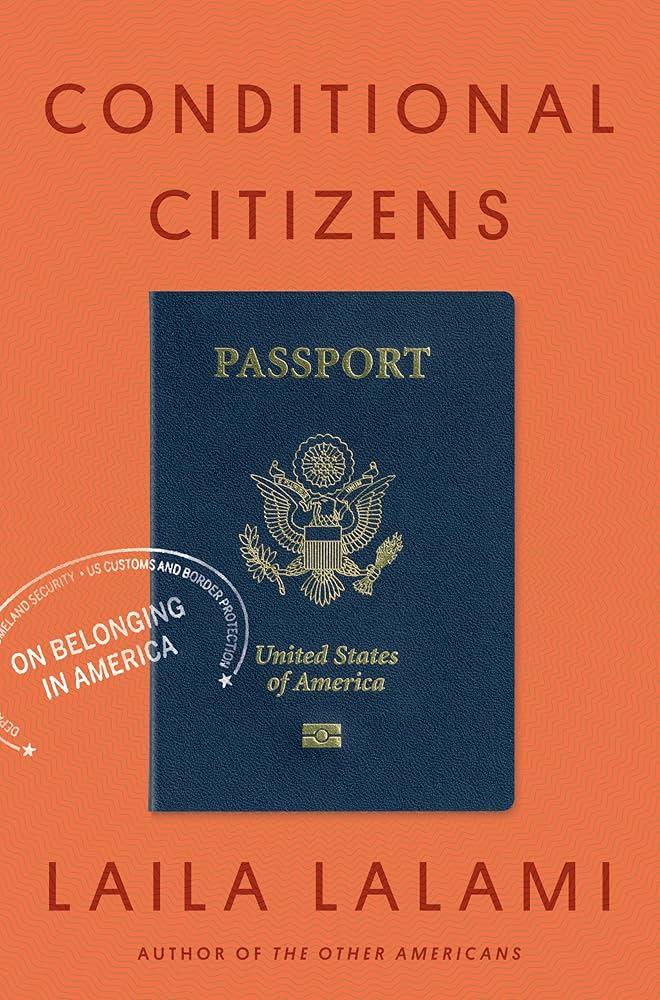
In a society increasingly shaped by identity complexities, Puerto Rican citizenship serves as a significant case study. Although Puerto Ricans are recognized as American citizens, their rights and privileges have historically been influenced by federal laws and judicial interpretations, resulting in what is often termed “conditional citizenship.” This article explores the historical foundations of this status, tracing its roots to the aftermath of the Spanish-American War and examining the contentious Insular Cases from the early 1900s. These legal decisions, perceived by many as remnants of colonialism, continue to impact Puerto Ricans today. By analyzing this complex relationship between Puerto Rico and the United States, we aim to highlight ongoing struggles for equality, representation, and self-determination that characterize Puerto Rican life in America.
Historical Overview of Puerto Rican Citizenship: From Colonization to Current Status
The path toward citizenship for Puerto Rico has been marked by a convoluted history of colonial governance and legal developments that have led to its current ambiguous standing.Following its acquisition by the United States after the Spanish-American War in 1898, a series of legislative measures were enacted that fluctuated between inclusion and exclusion. The Foraker Act established civilian governance in 1900 but fell short of granting full rights; later legislation like the Jones-Shafroth Act in 1917 conferred U.S. citizenship upon Puerto Ricans with significant limitations tied directly to their territorial status—constraints that still affect political representation and autonomy today.
The *Insular Cases*, which comprise several Supreme Court rulings from this era, further emphasized this conditionality by asserting that full constitutional protections do not automatically apply to residents within U.S. territories. This allowed Congress considerable latitude over governance without ensuring equal rights for all citizens.
These landmark cases not only defined legal parameters around citizenship but also set troubling precedents regarding how territories are treated within American law:
- Inequitable Federal Legislation: Many laws applicable on mainland U.S. do not extend their benefits or protections to residents of Puerto Rico.
- Lack of Political Representation: Residents cannot participate in presidential elections nor enjoy full congressional representation.
- Economic Inequality: The island experiences unique challenges related to federal funding disparities compared with stateside counterparts.
This legacy raises critical questions about equality under American sovereignty while highlighting ongoing issues stemming from colonialism’s shadow over contemporary rights.
Examining The Insular Cases: Legal Precedents And Lasting Effects
The *Insular Cases* mark an essential juncture in American constitutional law concerning territorial relations with entities like Puerto Rico. These early 20th-century Supreme Court decisions established a controversial precedent whereby inhabitants could be classified as “non-contiguous” citizens—a classification perpetuating an uncertain status for those living on U.S.-controlled islands like Puerto Rico while subjecting them solely under U.S.laws without affording them complete citizen rights enjoyed elsewhere.
The ramifications extend beyond mere legal theory into practical implications affecting areas such as federal aid distribution, political engagement opportunities,and access levels across vital services including healthcare education disaster relief efforts—all substantially impacted due largely as these rulings create barriers against equitable treatment based on geographic location rather than individual merit or need.
Currently observed disparities illustrate how conditional citizenship manifests uniquely through challenges faced daily; despite being recognized since 1917,Puerto Ricans encounter obstacles rooted deeply within these historic frameworks—raising pressing concerns about fairness alongside broader narratives surrounding neglect linked back towards colonial legacies.
The ongoing discourse surrounding these cases emphasizes urgent calls for reform aimed at addressing entrenched inequalities arising from such historic judgments.
Calls For Reform: Pushing For Complete Citizenship Rights For Puerto Ricans
A concerted effort advocating extensive reforms is crucial if we hope rectify injustices experienced historically among those identifying themselves proudly as part-Puerto Rican heritage today.This advocacy must underscore implications stemming directly outof conditionality impacting personal liberties alongside social equity throughout society.Key recommendations include:
- Legislative Revisions: Congress should enact comprehensive policies ensuring parity between mainland citizenry versus those residing within territories—eliminating restrictions based solely upon geographical classifications!
- A Public Awareness Initiative:Create campaigns designed educate both local communities & continental audiences alike regarding unique circumstances facing individuals living under such conditions while fostering informed dialog around potential solutions moving forward!
- Civic Engagement Support:Pursue grassroots movements empowering local voices champion statehood initiatives promoting equality amongst all constituents involved!
Moreover evaluating outcomes post-reform should remain paramount! Establishing metrics measuring effects resulting from granting full-fledged recognition would provide insight guiding future legislative actions! Consider incorporating data reflecting potential improvements seen through various indicators:
| Metric | Status Quo | Post-Reform Projection |
|---|---|---|
| Median Income | $20K | $30K |
| Poverty Rate | 43% | 25% |
| Access To Healthcare | 60% | 90% |
This information can strengthen arguments advocating equity showcasing tangible benefits derived via enhanced quality-of-life standards achievable once true recognition occurs reinforcing urgency behind immediate action required now!
Conclusion: A Call To Action For Equity And Inclusion In Citizenship Rights
Reflecting upon intricate narratives surrounding conditionality associated with identities held dear among many proud individuals claiming heritage rooted deeply within rich histories reveals profound truths embedded inside systemic inequities perpetuated through time! As we navigate forward together it becomes imperative address injustices woven intricately throughout existing frameworks demanding greater acknowledgment towards recognizing every individual’s right regardless where they hail originally!
Stay engaged with us here at [Your Website]for continued discussions exploring implications arising outof historical foundations shaping contemporary realities confronting both residents & visitors alike across stunning island paradise known simply—as “La Isla Del Encanto.�