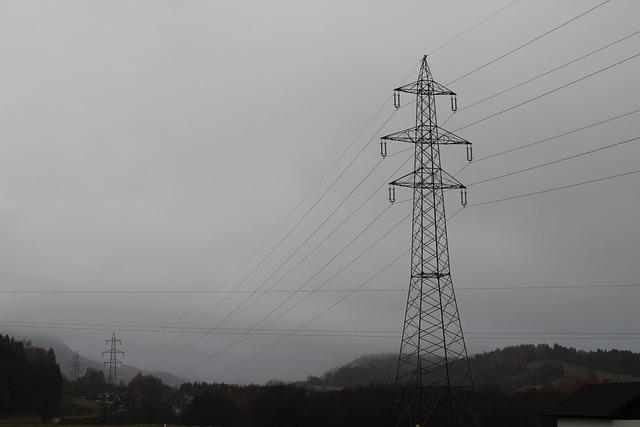
In recent years, Puerto Rico has faced a troubling resurgence of power outages that disrupt daily life and underscore deeper systemic issues. The frequency of blackouts has reignited discussions about the island’s long-standing colonial relationship with the United States and the implications of its economic challenges. As residents grapple with the impact of these energy crises, questions arise about the viability of the current governance framework and the lingering effects of colonialism on public infrastructure. This article delves into the intersections of power, policy, and identity in Puerto Rico, examining how the collapse of what many refer to as the “colonial bargain” has left residents in the dark-both literally and figuratively.
Blackouts Expose the Fragility of Puerto Rico’s Energy Infrastructure
Recent widespread blackouts across Puerto Rico have laid bare the underlying vulnerabilities of the island’s energy infrastructure, revealing a system strained under the weight of colonial legacy and mismanagement. As power outages ripple through communities, they not only inconvenience daily lives but also undermine critical services, from healthcare facilities to businesses, affecting the economy at large. The increasing frequency and duration of these outages serve as a stark reminder that a resilient energy grid is not just a luxury; it’s a necessity for survival.
As government officials and energy authorities scramble to respond, many are questioning the efficiency of the privatized energy model imposed on the island after Hurricane Maria. The vision of a vibrant market-driven approach has yielded little more than a patchwork of inadequate solutions, compounding the frustrations of residents who face uncertainty with each flicker of the lights. To understand the depth of this crisis, one must consider several key elements:
- Outdated infrastructure: Much of the existing grid is composed of aging components that are ill-equipped to meet modern demands.
- Dependence on fossil fuels: A reliance on imported fossil fuels creates vulnerability to price fluctuations and supply disruptions.
- Management hurdles: Ongoing bureaucratic inefficiencies have stymied necessary investments in maintenance and upgrades.
Addressing these issues will require a systematic overhaul of Puerto Rico’s energy strategy, one that prioritizes sustainability, reliability, and most importantly, the voices of its residents. Only through inclusive planning and investment can the island hope to break free from the cycle of darkness that has too long defined its energy landscape.
Rethinking the Colonial Bargain: A Call for Sustainable Solutions
As Puerto Rico grapples with the persistent crisis of blackouts and infrastructure failures, it’s increasingly clear that the traditional frameworks of governance and economy established during colonial times require a thorough reevaluation. The island, long subject to external control and exploitation, faces the pressing need to redefine its relationship with energy production and distribution. The colonial bargain-wherein economic dependencies are normalized through promises of stability and support-has crumbled, revealing a systemic inadequacy to adapt to modern crises. This moment demands a radical shift towards renewable energy, local empowerment, and enhanced autonomy, enabling Puerto Ricans to reclaim control over their resources and futures.
The pathway forward necessitates innovative, sustainable solutions that prioritize resilience over profit. Local communities should actively participate in the energy transition by embracing distributed energy solutions, such as solar microgrids and community-owned projects. This approach not only fosters independence but also creates economic opportunities that can revitalize neighborhoods. It is essential to consider strategies such as:
- Investment in Green Technology: Encouraging the adoption of solar and wind energy.
- Policy Reforms: Advocating for legislation that supports sustainable practices.
- Community Engagement: Involving local citizens in energy decision-making processes.
These initiatives represent more than temporary fixes; they are fundamental to altering the legacy of colonial exploitation that has long hindered Puerto Rico’s development. By fostering autonomy and sustainability, Puerto Ricans can dismantle the outdated framework of dependency while building a more resilient and equitable future.
Empowering Puerto Rico: Recommendations for Energy Independence and Resiliency
To achieve genuine energy independence and resiliency, Puerto Rico must prioritize the integration of renewable energy sources. Solar power offers a promising solution, with the island’s abundant sunshine providing an opportunity to harness energy at a decentralized level. For effective implementation, the following recommendations should be considered:
- Incentivize Community Solar Projects: Encourage local entities to invest in solar installations, fostering a sense of ownership and commitment.
- Enhance Grid Infrastructure: Modernize the existing grid to accommodate distributed energy resources and improve reliability.
- Establish Energy Cooperatives: Facilitate community-based energy cooperatives that empower residents to collectively manage energy production and consumption.
Furthermore, investment in energy storage technologies is crucial to mitigate the intermittent nature of renewables. Strengthening energy resilience requires a diversified approach that includes energy efficiency initiatives and demand response strategies. To illustrate these concepts, the following table outlines various strategies and their potential impacts:
| Strategy | Impact |
|---|---|
| Energy Storage Investment | Increased energy reliability and reduced blackout frequency |
| Demand Response Programs | Lower peak demand and enhance grid stability |
| Public Awareness Campaigns | Educate citizens on energy conservation practices and alternatives |
Future Outlook
As Puerto Rico confronts the reality of its ongoing blackout crisis, the consequences of a colonial relationship strain the island’s infrastructure, economy, and social fabric. The failures of the current energy system reflect not just technical shortcomings but a broader failure of governance and accountability, rooted in decades of colonial neglect. As residents seek solutions, the urgent need for a transformed relationship with their energy sources-and indeed, with their governing bodies-becomes increasingly clear. Moving forward, it is imperative for local leaders, policymakers, and international stakeholders to address the complex legacy of colonialism and prioritize sustainable, equitable solutions that empower Puerto Ricans towards a more resilient and self-determined future. Through collective action and renewed commitment, the island may yet reclaim not only its power but also its autonomy.