
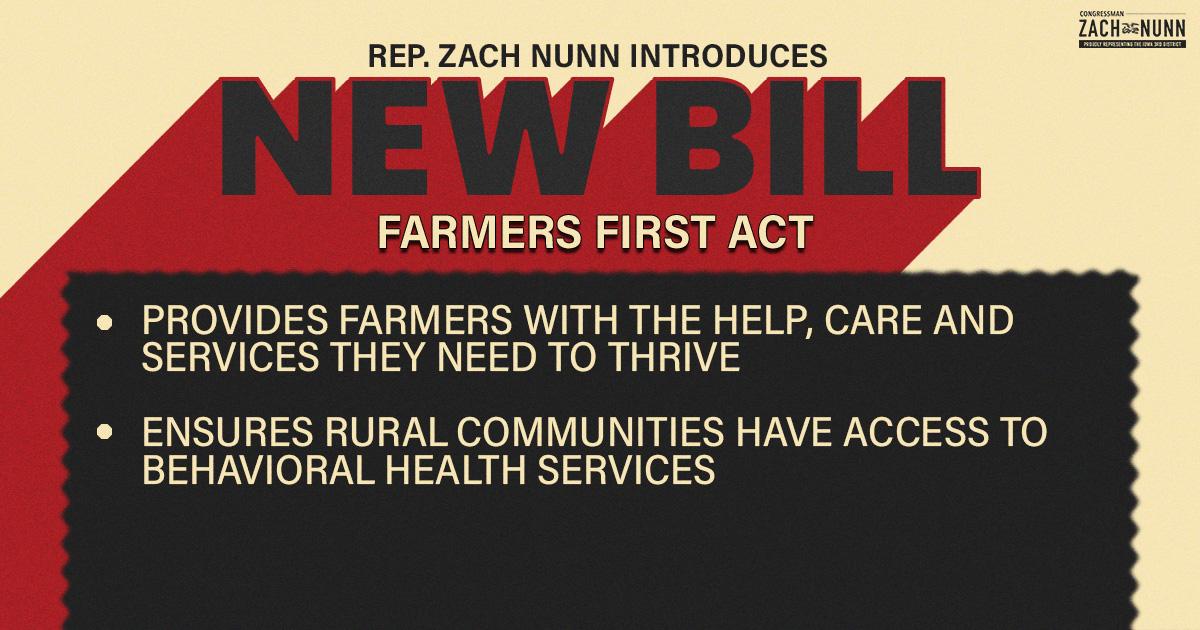
In a significant step towards addressing the mental health crisis in rural America, the newly proposed Farmers First Act aims to expand access to essential mental health resources for farmers and agricultural workers. With mental health concerns affecting many in the farming community-exacerbated by factors such as economic stress, isolation, and the challenges of modern agriculture-this legislation seeks to provide much-needed support and strengthen the well-being of those who play a vital role in the country’s food system. As discussions surrounding mental health take center stage, the Farmers First Act represents a crucial commitment to enhancing the resilience and wellness of rural populations, ensuring that farmers have the resources they need to thrive both personally and professionally.
Expanding Access to Mental Health Services for Rural Farmers
The recent focus on mental health resources for rural farmers marks a significant shift in how the agricultural community addresses emotional well-being. The Farmers First Act aims to enhance access to mental health services, recognizing the unique challenges that farmers face. With issues such as market volatility, climate change, and isolation, many in the farming sector are grappling with stress and mental health concerns. The Act proposes a multi-faceted approach to empower farmers by providing them with the necessary tools and support systems to address these challenges head-on.
Key aspects of the Farmers First Act include:
- Telehealth Services: Expanding coverage for teletherapy options to ensure farmers can receive care without the need for long-distance travel.
- Community Mental Health Programs: Encouraging collaborations between local organizations and healthcare providers to offer tailored support.
- Awareness Campaigns: Initiatives aimed at reducing stigma around mental health in rural communities, promoting dialogue, and encouraging individuals to seek help.
As farmers are often reluctant to seek mental health assistance due to various barriers, these provisions seek to dismantle those obstacles. The Act embodies a recognition that fostering a healthy agricultural workforce is essential not only for farmers’ well-being but also for the sustainability of rural economies.
Addressing the Unique Challenges of Mental Health in Agriculture
The challenges faced by those in the agriculture sector, particularly when it comes to mental health, are profound and often overlooked. Farmers contend with stressors such as unpredictable weather, fluctuating market prices, and the isolation that can accompany rural living. This unique combination contributes to a higher incidence of mental health issues, including anxiety and depression. Addressing these concerns requires not only awareness but also targeted resources that can provide real support. The Farmers First Act aims to bridge this gap by expanding access to mental health services specifically tailored for rural communities.
This initiative emphasizes the need for a multi-faceted approach, which includes:
- Increased funding for mental health programs in agricultural regions.
- Training for healthcare providers to better understand the specific stresses faced by farmers.
- Community outreach efforts to destigmatize mental health issues in farming communities.
- Telehealth services to ensure accessibility for those in remote areas.
The act recognizes that mental health is as crucial as physical health, advocating for resources that allow farmers to seek help without judgment. With these expanded resources, the goal is to create a supportive environment where agricultural workers can thrive both on the land and in their personal lives.
Strategies for Community Support and Increased Funding in Rural Areas
The challenge of sustaining mental health resources in rural communities has prompted the need for innovative strategies to enhance community support and secure increased funding. One effective approach is developing partnership models that connect local farmers and ranchers with healthcare providers. These partnerships can facilitate access to vital mental health services by hosting community workshops that address mental health issues while promoting a culture of openness. Additionally, incorporating farmer-led initiatives such as peer support groups can create a comfortable environment for sharing experiences and seeking help.
In parallel, seeking public and private funding sources tailored for rural outreach is essential. Strategies may include leveraging local government grants, utilizing agricultural societies, and engaging with non-profit organizations that focus on mental health. Establishing an alliance with businesses can also provide *sponsorship opportunities* for mental health programs – a model that benefits both community well-being and corporate social responsibility. To illustrate potential funding pathways, the table below outlines various funding sources and their characteristics:
| Funding Source | Type | Benefits |
|---|---|---|
| Local Government Grants | Public Funding | Supports community-based initiatives |
| AgriHealth Nonprofits | Private Funding | Focused on holistic mental health programs |
| Corporate Sponsorship | Business Funding | Enhanced visibility and community engagement |
To Wrap It Up
In conclusion, the Farmers First Act represents a crucial step towards addressing the mental health crisis faced by farmers and rural communities across America. By expanding access to vital mental health resources, this legislation acknowledges the unique challenges posed by the agricultural lifestyle and the pressing need for support. As discussions around mental health continue to gain prominence, the Farmers First Act underscores the commitment to fostering resilience and well-being in rural areas, offering hope for a brighter future for the nation’s farmers. As stakeholders rally to advocate for the bill’s implementation, the impact of these efforts could extend far beyond agricultural confines, enriching the overall health and vitality of rural America.











