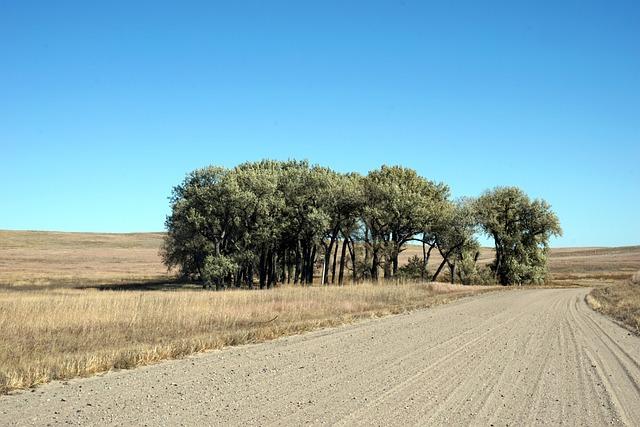
Rural America: A Misunderstood Heartland
As the 2024 presidential election cycle heats up, the narrative surrounding rural America continues to be dominated by stereotypes and misconceptions. Contrary to popular belief, many rural communities are not facing a crisis of depopulation, nor are they solely responsible for the political swing toward Donald Trump’s candidacy. In fact, these regions are characterized by resilience, evolving demographics, and a complex political landscape that defies simplistic portrayals. This article delves into the realities of rural life, challenging prevailing assumptions and highlighting the dynamic contributions of these communities to the national conversation. By unpacking the myths surrounding rural America, we aim to paint a more accurate picture of a region that remains an integral part of the American identity.
Rural Resilience: Debunking the Myths of Depopulation and Decline
The narrative surrounding rural America often paints a bleak picture of communities in decline-yet, data reveals a much different story. In fact, many rural areas are not depopulating, with populations stabilizing and even growing in certain regions. Contrary to the belief that the countryside is emptying out, some rural towns are experiencing a renaissance, fueled by a resurgence of interest in local economies, agriculture, and telecommuting opportunities that allow individuals to work from home. This renewed interest is reshaping how we understand these areas, challenging long-held assumptions that economic strife and demographic decline have become synonymous with rural life.
Moreover, the portrayal of rural America as a monolith overlooks the diverse political and cultural fabric of these communities. Rural voters are not a monolithic group; rather, they express a broad spectrum of values and beliefs. The swing in voting patterns seen in the 2024 election can be linked to various factors, including economic frustrations and the desire for representation, rather than a simplistic view that attributes shifts solely to rural disenchantment. To underscore this complexity, consider the following insights:
- Resilience: Many rural areas are adapting through innovation in farming and technology.
- Community Engagement: Local organizations are thriving, fostering stronger civic ties and local governance.
- Demographic Shifts: Influx of new residents seeking a rural lifestyle is revitalizing local economies.
Understanding the Political Landscape: How Rural America Influenced the 2024 Election
The narrative around rural America often portrays these communities as mere relics of a bygone era, characterized by depopulation and disconnection from contemporary political dynamics. However, the reality is more nuanced. Rural voters have demonstrated resilience, adapting to shifting economic landscapes while maintaining core values that resonate deeply within their local contexts. As key players in the 2024 election, these communities are not merely passive observers; they actively shape the political discourse through their votes and grassroots initiatives. Their concerns, often overlooked, include issues such as access to healthcare, agricultural policies, and economic opportunity, which directly influence their decision-making processes.
In the lead-up to the election, rural America showcased a nuanced political identity that defies monolithic representation. A careful analysis reveals several critical areas of engagement for rural voters:
- Economic Stability: Addressing job opportunities, especially in agriculture and manufacturing.
- Healthcare Access: Advocating for improved facilities and telehealth services to combat rural health crises.
- Education Standards: Pushing for equitable education funding to improve schools and retain young families.
These factors indicate that the rise of Trump in 2024 cannot be solely attributed to rural discontent; rather, it reflects a complex interplay of local priorities and national trends that challenge simplistic narratives. To further illustrate the impact of these issues, the table below summarizes the major concerns expressed by rural voters in recent surveys:
| Concern | Percentage of Rural Voters Expressing Concern |
|---|---|
| Job Opportunities | 62% |
| Healthcare Access | 54% |
| Education Quality | 49% |
Bridging the Gap: Strategies to Foster Better Communication Between Urban and Rural Communities
In the quest for better communication between urban and rural communities, it is crucial to recognize and address the misunderstandings that often arise. Urban dwellers frequently perceive rural populations through a distorted lens, leading to the oversimplification of their values and lifestyles. By implementing community exchange programs, fostering collaborative projects, and creating shared communication platforms, both urban and rural citizens can engage in crucial dialogues that highlight their unique challenges and achievements. This interaction helps break down stereotypes about rural life, showing that it is as dynamic and complex as any urban setting.
Furthermore, leveraging social media as a tool for connection can significantly enhance understanding between these disparate communities. Social media campaigns focusing on rural success stories, such as local businesses that thrive despite geographical isolation, can reshape perceptions. An effective approach could include virtual town halls or discussion forums that invite voices from both sides, promoting transparency and empathy. For instance, the following table highlights key initiatives that could serve as bridges for better communication:
| Initiative | Description | Impact |
|---|---|---|
| Community Exchange Programs | Facilitate visits between urban and rural communities to share experiences. | Builds lasting relationships and mutual understanding. |
| Virtual Town Halls | Online meetings allowing open discussions on common issues. | Encourages dialogue and shared problem-solving. |
| Collaborative Projects | Joint initiatives focused on mutual interests such as agriculture or technology. | Fosters teamwork and showcases diverse skill sets. |
In Conclusion
In conclusion, the narrative surrounding Rural America is often fraught with misconceptions that overshadow the complexities of life beyond urban centers. As this article illustrates, the region is not merely a backdrop for political shifts or a landscape marked by depopulation. Instead, it is a vibrant tapestry of communities that continue to evolve, innovate, and engage with the broader socio-political landscape. As we move closer to the 2024 elections, it is crucial for policymakers, analysts, and the general public to recognize and appreciate the multifaceted realities of rural life, which reflect resilience and diversity rather than a monolithic stereotype. The challenges faced by these communities, as well as their contributions to the national discourse, deserve a more nuanced understanding. Only then can we cultivate a dialogue that truly represents Rural America and its role in shaping the future of the nation.