Introduction:
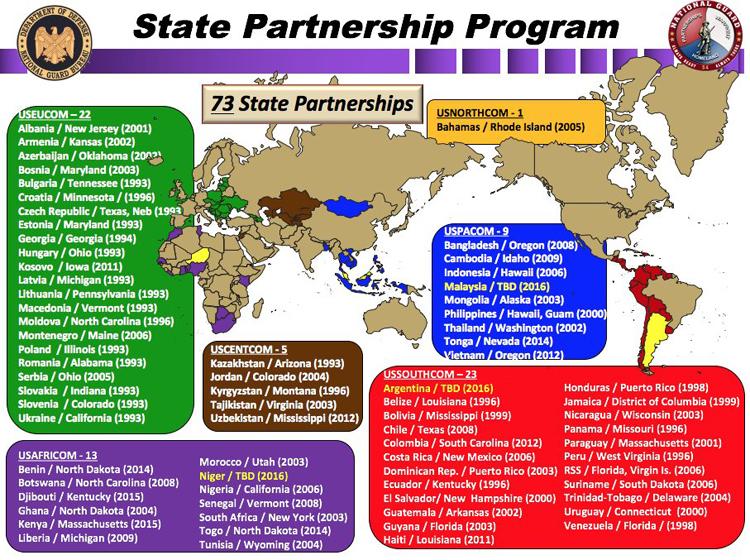
In an era marked by growing geopolitical challenges and the need for enhanced regional cooperation, the State Partnership Program (SPP) has emerged as a pivotal initiative within Latin America and the Caribbean. Managed by U.S. Southern Command (SOUTHCOM), this program fosters military and civic collaboration between American states and their counterparts in the region, aiming to bolster security, promote stability, and strengthen relationships through shared training, resources, and exchanges. As nations confront a complex landscape of security threats, economic disparities, and natural disasters, the SPP serves as a vital mechanism for not only addressing these challenges but also for reinforcing democratic values and humanitarian assistance. This article delves into the activities and impact of the State Partnership Program in Latin America and the Caribbean, highlighting its role in shaping a secure and prosperous future for the region.
Strengthening Regional Security through the State Partnership Program in Latin America and the Caribbean
The State Partnership Program (SPP) is enhancing regional security in Latin America and the Caribbean by fostering collaboration among military and civilian leaders from participating nations. This initiative focuses on addressing challenges such as drug trafficking, natural disasters, and humanitarian crises. Through interactive training exercises and exchanges, the SPP aims to build trustworthy relationships and improve operational readiness. Key benefits include:
- Enhanced Military Collaboration: Joint training initiatives strengthen coordination and interoperability between forces.
- Capacity Building: Partner nations receive support in developing critical skills necessary for disaster response and humanitarian assistance.
- Crisis Response Readiness: The program prepares nations to effectively manage natural and man-made disasters through improved strategic planning.
Additionally, the SPP emphasizes building resilience through community engagement and educational workshops. By integrating local communities into security initiatives, the program not only addresses immediate security concerns but also fosters long-term stability. Recent partnerships have demonstrated the program’s impact on regional security:
| Country | Partnership Focus | Impact Area |
|---|---|---|
| Colombia | Counter-Narcotics Operations | Improved Interdicting Capabilities |
| Peru | Natural Disaster Preparedness | Enhanced Crisis Management |
| Jamaica | Community Policing | Public Safety and Trust |
Building Resilience: Key Outcomes and Insights from Southcom’s Collaborative Efforts
The collaborative efforts of Southcom through the State Partnership Program have demonstrated significant outcomes in enhancing the resilience of partner nations in Latin America and the Caribbean. These partnerships have fostered a mutual exchange of knowledge and resources, resulting in strengthened capabilities for disaster response and recovery. Among the key outcomes, the following insights have emerged:
- Crisis Management Training: Joint exercises have effectively prepared local forces for sudden emergencies.
- Community Engagement: Programs have empowered local communities through education and support initiatives.
- Resource Optimization: Shared resources have led to better preparedness without heavy financial burdens.
Moreover, the emphasis on building strong interpersonal relationships between military personnel and local leaders has been instrumental in fostering trust and cooperation. This approach has facilitated the establishment of frameworks for ongoing dialogue and resource sharing. The following table highlights the various areas of focus that have emerged from these collaborative efforts:
| Focus Area | Outcome |
|---|---|
| Disaster Preparedness | Improved emergency response times |
| Public Health Initiatives | Enhanced local health services |
| Education Programs | Increased awareness of resiliency strategies |
Strategic Recommendations for Enhancing the Impact of State Partnerships in Military and Civilian Domains
To maximize the effectiveness of state partnerships in military and civilian domains, it is essential to foster a culture of consistent engagement and information sharing between partners. This can be achieved through the following strategies:
- Regular Workshops and Seminars: Facilitate joint training sessions that encompass both military and civilian aspects, strengthening collaboration and developing mutual understanding.
- A Joint Task Force: Establish a task force that includes representatives from both military and civilian sectors to focus on key areas like disaster response and humanitarian aid.
- Data Sharing Platforms: Implement secure digital platforms that allow for the exchange of best practices, lessons learned, and operational data to enhance readiness across diverse challenges.
Furthermore, prioritizing partnerships that reflect shared regional challenges will enhance the strategic relevance of initiatives. Consider the following actions to strengthen outcomes:
- Targeted Resource Allocation: Allocate resources specifically to initiatives that address common threats such as drug trafficking, environmental disasters, and public health crises.
- Cultural Exchange Initiatives: Promote mutual understanding through exchanges that include not just military personnel, but also civilians such as educators, healthcare workers, and community leaders.
- Performance Metrics: Develop clear metrics to evaluate the success of partnership projects, ensuring that adjustments can be made based on real-time feedback and results.
Wrapping Up
In conclusion, the State Partnership Program (SPP) exemplifies a significant stride in fostering collaboration and strengthening ties between the United States and nations in Latin America and the Caribbean. Through military cooperation, humanitarian assistance, and cultural exchanges, the SPP not only enhances regional security but also promotes mutual understanding and respect among diverse communities. As the geopolitical landscape continues to evolve, initiatives like the SPP remain crucial in building resilient partnerships that address shared challenges and advance collective interests. With ongoing commitments and strategic investments, the U.S. aims to reinforce its role as a reliable ally in the region, ensuring a safer and more prosperous future for all involved. For more information, visit southcom.mil and explore how these partnerships are shaping the future of regional cooperation.