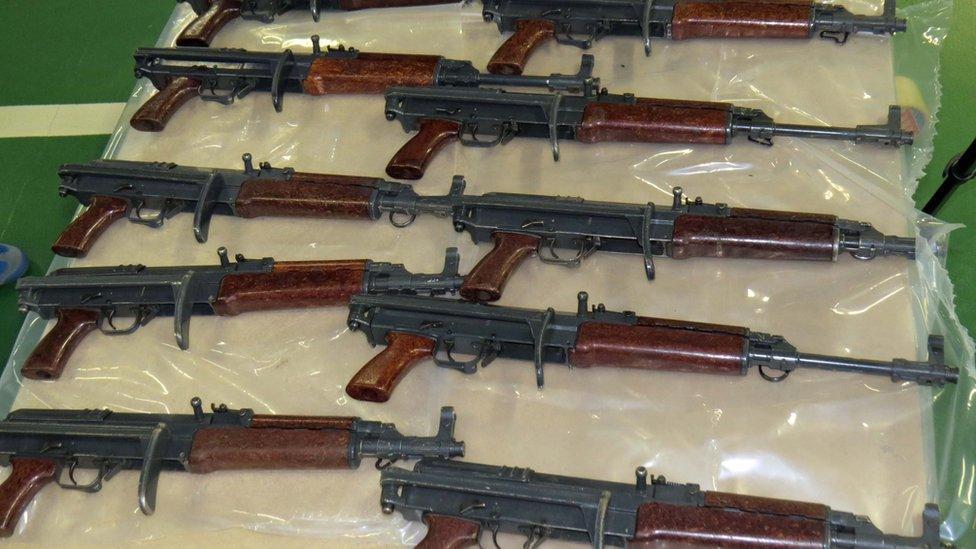
In recent months, a troubling trend has emerged across several Caribbean islands, as authorities grapple with a sharp increase in violence linked to the proliferation of illegal firearms. A new report indicates that smuggled guns originating from the United States are at the center of this surge in killings, raising urgent concerns about the impact of U.S. gun policies on regional security. As law enforcement agencies struggle to combat the influx of these weapons, communities across the Caribbean are being forced to confront the harsh realities of rising crime and escalating fear. This article explores the dynamics of gun smuggling, its consequences for public safety, and the ongoing efforts by local governments to address this growing crisis.
Impact of U.S. Gun Smuggling on Caribbean Violence Trends
The troubling rise in homicides across various Caribbean islands is increasingly being linked to the influx of illegal firearms, predominantly smuggled from the United States. Recent studies indicate that the number of gun-related fatalities has escalated sharply in regions like Jamaica, Trinidad and Tobago, and the Bahamas, raising alarms among local authorities and public safety advocates. Such firearms often end up in the hands of organized crime syndicates, contributing to a vicious cycle of violence that destabilizes communities and overwhelms law enforcement efforts. The primary characteristics of this troubling trend include:
- Increased accessibility: Smuggled firearms are readily available to criminals, enabling a proliferation of gang-related violence.
- Trade routes: Well established smuggling networks exploit the porous borders between the U.S. and Caribbean nations, complicating tracking efforts.
- Impact on youth: The prevalence of guns has led to alarming rates of youth involvement in gang activities and violent crime.
As Caribbean nations grapple with escalating violence, the economic and social ramifications are profound. Strained public resources dedicated to law enforcement and emergency services are being consumed by the need to respond to this surge in gun violence. Community initiatives aimed at reducing crime face significant obstacles, while public health systems are overloaded with gunshot victims. The following table summarizes some key statistics on gun-related violence across selected Caribbean nations:
| Country | Gun Homicide Rate (per 100,000) | Year-on-Year Increase (%) |
|---|---|---|
| Jamaica | 46.5 | 15% |
| Trinidad and Tobago | 30.2 | 12% |
| Bahamas | 34.6 | 20% |
Analyzing the Role of International Policies in Curbing Gun Trafficking
The surge in killings across various Caribbean islands has been largely attributed to the influx of smuggled firearms, many of which originate from the United States. This troubling trend has sparked discussions among international policymakers regarding the need for cohesive and robust strategies to mitigate gun trafficking. Effective international policies play a crucial role in addressing this crisis by fostering cooperation between nations. The following initiatives are key in this multi-faceted approach:
- Enhanced border security: Countries need to invest in technologies and training that improve border control to monitor and intercept illegal arms shipments.
- Intelligence sharing: Establishing stronger channels for intelligence on trafficking networks can significantly enhance a country’s ability to respond effectively to these threats.
- Legal harmonization: Aligning legal frameworks around the regulation of arms and ammunition can reduce loopholes that traffickers exploit.
Moreover, aligning the international community’s commitment to disarmament and arms control treaties is pivotal. Mutual accountability in the commitment to curb arms exports can create a united front against the arms trade that fuels violence in the Caribbean. A collaborative approach is essential, as illustrated in the table below, which highlights the proportional relationship between gun trafficking laws and violent crime rates in various nations:
| Country | Gun Trafficking Law Strength | Violent Crime Rate (per 100,000) |
|---|---|---|
| United States | Moderate | 5.4 |
| Jamaica | Weak | 47.9 |
| Dominican Republic | Moderate | 18.2 |
| Trinidad and Tobago | Weak | 30.6 |
Community-Based Solutions to Address Rising Homicide Rates in the Region
The escalating homicide rates in Caribbean islands linked to smuggled firearms necessitate the implementation of community-driven initiatives to effectively combat this alarming trend. Local organizations, together with law enforcement agencies, can foster a united front by developing grassroots programs that emphasize education, conflict resolution, and community engagement. These initiatives could include:
- Peer Mediation Programs: Training local youth to act as mediators in community disputes to prevent violence before it escalates.
- Gun Buyback Events: Creating opportunities for residents to surrender illegal firearms in exchange for community rewards, promoting a safer environment.
- Awareness Campaigns: Educating citizens on the dangers of gun violence and the benefits of peaceful conflict resolution through workshops and social media outreach.
Collaboration between community leaders, law enforcement, and local businesses is crucial in establishing a strategic framework to tackle this crisis. Effective resource allocation can facilitate the establishment of safe spaces where youth can access mentorship programs, engage in skill-building activities, and participate in recreational opportunities. A coordinated approach may include:
| Focus Area | Potential Impact |
|---|---|
| Community Workshops | Enhanced conflict resolution skills and reduced tension in neighborhoods. |
| Support Groups | Providing emotional and psychological assistance to affected families. |
| Employment Programs | Creating job opportunities that deter youth involvement in gangs. |
Final Thoughts
In conclusion, the escalating violence in the Caribbean, attributed largely to the influx of smuggled firearms from the United States, underscores a pressing public safety crisis impacting numerous islands. As governments grapple with the challenges of containing this wave of crime, the need for coordinated action-both domestically within the U.S. and across Caribbean nations-becomes increasingly urgent. With the ripple effects of gun violence threatening to destabilize communities, it is clear that addressing the flow of illegal weapons is crucial not just for regional security, but for fostering long-term peace and stability in the Caribbean. Continued attention to this issue by policymakers, law enforcement, and civil society will be essential in turning the tide against this ongoing threat.