
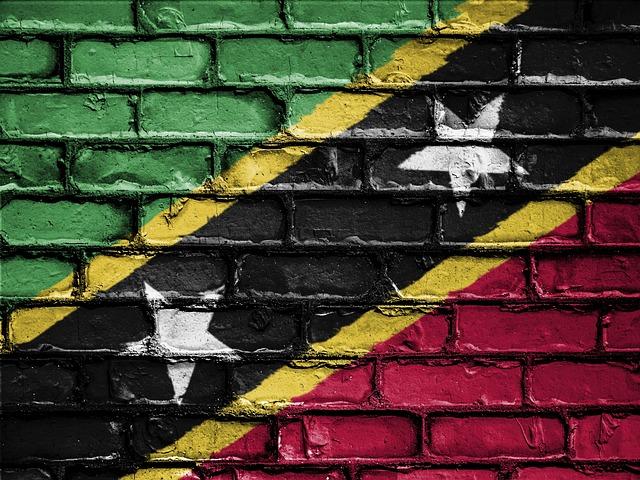
In a landmark decision, a Caribbean regional court has overturned a longstanding ban on gay sex in Saint Kitts and Nevis, marking a significant victory for LGBTQ+ rights in the region. The ruling, which has garnered widespread attention, underscores a shifting legal landscape in the Caribbean, where colonial-era laws continue to impact the lives of countless individuals. This pivotal court decision not only highlights the ongoing struggles for equality within Saint Kitts but also resonates with broader movements for human rights across the Caribbean. As advocates celebrate this monumental step forward, questions remain about the implementation of the ruling and its implications for similar laws across neighboring nations.
Saint Kitts Court Ruling Marks Milestone in LGBTQ Rights Progress in the Caribbean
The recent ruling by the Caribbean Court of Justice (CCJ) to strike down the ban on consensual same-sex relations in Saint Kitts marks a monumental shift in the legal landscape for LGBTQ rights across the region. This decision not only decriminalizes homosexuality but also sets a celebrated precedent for other nations in the Caribbean, where similar laws remain in place. Advocates argue that this victory is a beacon of hope, signaling a growing recognition of human rights and personal freedoms. The ruling has been hailed by activists as a vital step towards equality, emphasizing the importance of inclusivity in legislation.
The implications of this decision extend beyond just legal frameworks; it creates a ripple effect that may foster a more accepting societal climate. As countries within the Caribbean face increasing international scrutiny regarding their human rights practices, this ruling serves as an affirmation of the need for reform. Key takeaways from the CCJ’s decision include:
- Legal Precedent: Sets the stage for challenging discriminatory laws in other Caribbean nations.
- International Impact: Elevates the conversation on human rights within the Caribbean community.
- Increased Dialogue: Encourages discussions on LGBTQ rights beyond legal constraints.
Implications of the Ban’s Reversal for Social Policies and Legal Framework in Saint Kitts
The recent ruling by the Caribbean regional court, which invalidated the long-standing ban on homosexual acts in Saint Kitts, marks a transformative moment for the nation’s social policies. This decision not only reflects a shift towards greater acceptance of LGBTQ+ rights but also provides a framework for revisiting and potentially reforming other discriminatory laws within the Caribbean. Advocates for social justice are hopeful that this ruling will prompt the government to enact comprehensive anti-discrimination legislation, ensuring equal rights for all citizens regardless of sexual orientation. Such legal advancements could lead to broader discussions around human rights, social equality, and the necessity of fostering an inclusive society.
In addition to the immediate social implications, the court’s decision challenges the outdated legal framework that has long influenced public policy in Saint Kitts. With the judiciary setting a precedent, lawmakers may now feel pressured to address related areas, including but not limited to:
- Hate crime legislation – reinforcing protections against violence targeted at LGBTQ+ individuals.
- Marriage equality – opening avenues for discussions on civil partnerships for same-sex couples.
- Education policies – promoting awareness and inclusivity in schools to combat stigma and discrimination.
Legal experts suggest that the ruling could facilitate a more progressive legal culture in Saint Kitts and the rest of the Caribbean region, paving the way for further reforms that align with global human rights standards.
Recommendations for Advancing Equality and Protecting LGBTQ Rights in the Region
In light of the recent ruling by the Caribbean regional court to strike down the ban on homosexual acts in Saint Kitts, it is crucial for governments and organizations across the region to actively pursue actions that elevate and safeguard LGBTQ rights. Legal reforms should be prioritized to dismantle existing discriminatory laws and replace them with protections that affirm equality for all citizens, irrespective of their sexual orientation or gender identity. Governments must consider establishing comprehensive anti-discrimination legislation to combat prejudice in workplaces, education systems, and public services.
Moreover, fostering an inclusive society requires a multi-faceted approach involving active community engagement and education. Key recommendations include:
- Implementing targeted awareness campaigns to combat homophobia and transphobia.
- Empowering local LGBTQ organizations to provide resources and support to affected individuals.
- Encouraging dialogue between government bodies, civil society, and LGBTQ advocates to ensure diverse perspectives are included in policy-making.
It’s imperative that regional institutions and leaders promote an environment that not only respects LGBTQ rights but also champions them, creating a foundation for genuine societal acceptance and equality.
Final Thoughts
In a landmark decision that underscores the evolving legal landscape concerning LGBTQ+ rights in the Caribbean, the Regional Court has struck down Saint Kitts and Nevis’s ban on consensual same-sex relations. This ruling not only paves the way for greater equality and acceptance within the twin-island federation but also sets a precedent for similar cases across the region. The court’s verdict is seen as a significant step forward in the fight against discrimination, illustrating a growing recognition of human rights for all individuals, regardless of their sexual orientation. As advocates celebrate this milestone, the focus now shifts to the implementation of the ruling and the broader implications it holds for LGBTQ+ communities throughout the Caribbean. The journey towards equality continues, and the recent decision marks a hopeful turn in this ongoing struggle for justice and recognition.











