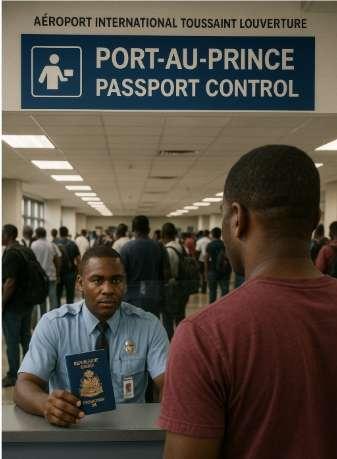
In the wake of escalating violence and political turmoil in Haiti, the recent decision by the U.S. to impose a visa ban on Haitian citizens has sparked widespread debate and division on multiple fronts. Critics argue that this measure is a form of scapegoating that unfairly penalizes those fleeing dangerous conditions, while supporters contend that it serves as a necessary step to bolster national security amid rising concerns over potential criminal infiltration and humanitarian crises. As the economic and social fabric of Haiti continues to unravel, the ramifications of this controversial policy are drawing attention not only from those within the Caribbean region but also from human rights advocates and policymakers around the globe. This article examines the arguments from both sides of the divide, exploring the complexities of security, immigration, and the plight of Haitians in search of safety and stability.
Security Concerns versus Humanitarian Obligations in the Haiti Visa Ban Debate
The debate surrounding the Haiti visa ban has escalated into a contentious issue, pitting security concerns against the moral duty to assist those in crisis. Proponents of the ban assert that the rising levels of violence and instability in Haiti necessitate strict immigration policies. They argue that the potential risks to national security are too great to overlook, citing an uptick in criminal activities linked to organized gangs and widespread civil unrest as primary justifications. Key arguments include:
- Increased Criminal Activity: Recent reports indicate a spike in violent crimes, leading to fears of infiltrators using refugee status as a cover.
- Resource Allocation: Critics of the visa allowance claim that an influx of refugees could strain already limited state resources.
- National Safety: Advocates for the ban maintain that protecting citizens from potential threats must take precedence over humanitarian considerations.
Conversely, opponents of the ban highlight the dire humanitarian situation in Haiti, where many citizens are fleeing life-threatening conditions. They argue that denying visas effectively abandons those in need and undermines international commitments to human rights. Among their key points are:
- Humanitarian Crisis: The ongoing economic collapse and violence have forced countless Haitians to seek refuge abroad.
- Legal and Ethical Obligations: International laws obligate nations to provide asylum seekers with safe haven during periods of crisis.
- Long-Term Solutions: Critics suggest that dialogue and support for Haiti’s reconstruction could be more effective than blanket bans.
Economic Implications and Regional Stability: Analyzing the Consequences of the Visa Restriction
The recent visa ban imposed on Haiti has triggered a wave of debate surrounding its economic ramifications and the potential impact on regional stability. Critics argue that the restriction not only hinders the ability of Haitian nationals to seek better opportunities abroad but also compounds the existing socio-economic challenges faced by the island nation. The tourism sector, which has been a critical lifeline for many Caribbean economies, particularly in St. Kitts and Nevis, may also suffer as the perception of Haiti shifts. The consequences could be far-reaching, affecting trade relationships and investment opportunities within the region. Key points include:
- Reduced Economic Activity: A decline in tourism and related services.
- Trade Limitations: Increased barriers to commerce between Haiti and neighboring countries.
- Migration Shifts: Potential rise in undocumented migration as individuals seek alternative paths.
Furthermore, the visa restriction raises concerns about political stability within the Caribbean. The region has historically been shaped by the movement of people, and any limitation on movement can exacerbate tensions and create an environment of distrust. Neighboring nations, particularly those with significant Haitian diaspora populations, may find themselves caught between the backlash of humanitarian obligations and geopolitical pressures. A potential ripple effect could lead to increased social unrest or political instability as disenfranchised individuals search for means to support their families in the face of adversity. The implications warrant a closer examination of the regional interplay, including:
| Regional Impact | Potential Outcomes |
|---|---|
| Diplomatic Relations | Strained ties and reduced cooperation efforts. |
| Public Sentiment | Growth of anti-immigrant sentiments in host countries. |
| Regional Security | Increased strain on law enforcement and resource allocation. |
Building Bridges or Walls: Recommendations for a Balanced Approach to Immigration Policy
The recent visa ban on Haitian nationals has reignited fierce debates about immigration policy, prompting urgent calls for a more pragmatic and humane approach. Critics argue that such measures are misguided, reinforcing negative stereotypes and neglecting a nuanced understanding of the socio-political turmoil in Haiti. A balanced immigration policy should consider humanitarian support, economic contributions of migrants, and national security without falling into the trap of scapegoating vulnerable populations. This requires that policymakers engage with community leaders and experts to foster dialogue that transcends political rhetoric.
To achieve an effective policy framework, the following recommendations should be considered:
- Comprehensive Assessments: Implement regular evaluations of the situation in Haiti to inform policy decisions based on current realities.
- Pathways for Refugees: Establish clear, humane pathways for refugees seeking asylum who are fleeing violence and instability.
- Community Integration Programs: Support initiatives that facilitate the integration of Haitian migrants, recognizing their potential contributions to local economies.
- International Collaboration: Work with international organizations to address the root causes of migration and provide aid to strengthen Haiti’s infrastructure.
| Key Considerations | Potential Impact |
|---|---|
| Humanitarian Aid | Reduces the need for migration by stabilizing conditions in Haiti. |
| Border Security Reforms | Enhances safety while allowing for legal immigration pathways. |
| Cultural Exchange Programs | Fosters understanding and reduces fear of migrants. |
Wrapping Up
As the debate surrounding the Haiti visa ban continues to unfold, the issues at the heart of this contentious policy reveal a deepening divide in public opinion. Advocates for the ban emphasize national security and the need to protect citizens from potential threats, while opponents argue that such measures unfairly scapegoat a nation already grappling with profound humanitarian and social challenges. As the international community watches closely, this decision raises pressing questions about the balance between security and compassion in an increasingly polarized political landscape. Moving forward, it will be crucial for stakeholders to engage in thoughtful dialogue, ensuring that responses to complex issues like migration and asylum remain grounded in both ethical considerations and factual realities. The implications of this ban extend far beyond borders, highlighting the need for comprehensive strategies that prioritize human rights while addressing legitimate security concerns.