
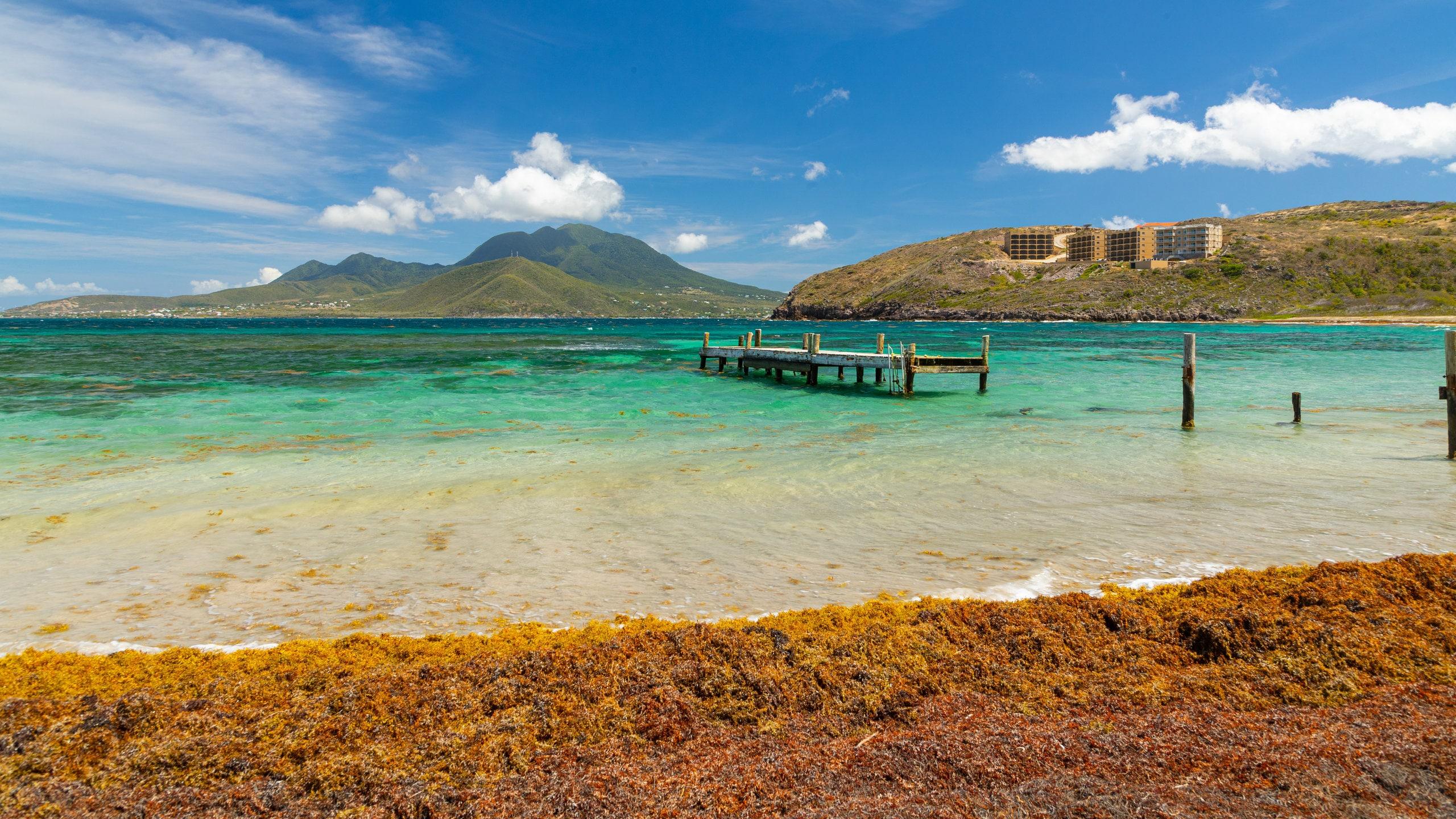
Saint Kitts and Nevis Enhances CBI Program Amid Regional Developments
In a notable advancement for the Caribbean’s citizenship-by-investment (CBI) sector, Saint Kitts and Nevis has introduced a new residency requirement designed to attract potential investors. This declaration arrives in the context of growing concerns regarding travel limitations, particularly as Dominica addresses the ramifications of recent US travel restrictions affecting its citizens. As countries adapt to shifting geopolitical dynamics, CBI programs remain crucial for economic development and global mobility. This article explores the essential features of Saint Kitts’ new residency requirement alongside Dominica’s strategic response, assessing their potential effects on both nations and their respective CBI frameworks.
Saint Kitts Implements New Residency Requirement for Investors
In a pivotal move aimed at refining its Citizenship by Investment (CBI) initiative, Saint Kitts and Nevis has established a new residency clause that applicants must adhere to. This change reflects an increasing demand for transparency from regional observers and compliance organizations. The government is dedicated to enhancing the integrity of its investment offerings as global perspectives on CBI programs shift. Starting next month, all applicants will be required to demonstrate compliance with minimum residency standards—an essential step towards aligning with international norms while promoting responsible investment practices.
This initiative encourages deeper engagement between investors and local communities, which not only strengthens national security but also fosters economic interaction. Key components of this residency requirement include:
- Mandatory Residency Duration: Applicants are required to live in Saint Kitts for a designated timeframe before acquiring citizenship.
- Civic Participation: New residents are encouraged to take part in local events and cultural activities to facilitate integration.
- Enhanced Transparency Protocols: Increased scrutiny measures will ensure that investments are legitimate and contribute positively to the economy.
The introduction of these regulations coincides with renewed discussions surrounding CBI policies across the Caribbean region—especially following Dominica’s recent statements about its own program amid external pressures like possible US travel bans. Investors now face critical decisions as they navigate changing regional dynamics alongside rising compliance expectations.
Dominica’s Strategic Response: Aiming for Investor Confidence Post-US Travel Ban
Diving into action following the recent US travel ban, Dominica has strategically positioned itself as an attractive option for investors seeking option pathways toward global mobility. The government has unveiled an extensive strategy designed to counteract any negative impacts from this ban while highlighting its robust Citizenship by Investment (CBI) program—a pathway not only toward citizenship but also significant financial returns tailored for those looking for stability amidst uncertainty.
The insights shared by Dominica’s management focus on bolstering investor confidence through several key initiatives including:
- Simplified application procedures within the CBI framework
- A commitment to increased transparency regarding investment security
- A strengthening of diplomatic ties with vital economic partners
- A proactive marketing campaign promoting Dominica as an ideal investment destination
This immediate emphasis on engaging investors positions Dominica not merely as a refuge from external constraints but also as an intelligent choice for individuals aiming at resilience within their investment portfolios. In conjunction with these efforts, Dominican authorities are closely monitoring geopolitical shifts ensuring that their policies remain appealing in this evolving landscape.
Expert Insights: Effects of New Residency Rules & Travel Restrictions on Caribbean Citizenship Programs
The introduction of a residency clause by Saint Kitts raises concerns among prospective investors about how adaptable Caribbean citizenship options might potentially be moving forward. The stipulation requiring applicants spend time residing in-country could deter those who primarily view CBI programs simply as means towards obtaining second passports without long-term commitments.
This policy adjustment may reshape competition among Caribbean nations vying for foreign investments; other countries might need reevaluate their own requirements accordingly.
Additonally, recent US travel restrictions have cast uncertainty over Dominica’s CBI program; stakeholders worry about how these developments might affect demand among individuals prioritizing visa-free access globally.
The key considerations include:
- Tighter scrutiny over investment channels: Governments may feel compelled to enhance security measures surrounding their respective CBI initiatives.
- Evolving investor preferences: Potential clients could gravitate towards jurisdictions offering more favorable travel conditions.
- Heightened competition within regional markets: Neighboring countries might need diversify offerings further attract foreign capital .
Conclusion: Navigating Changes in Caribbean Citizenship Policies
The latest developments concerning Saint Kitts’ implementation of a new Citizenship by Investment (CBI) residency clause along with Dominica’s proactive stance against US travel bans highlight ongoing transformations within regional immigration strategies . As nations continue navigating complexities tied both global mobility challenges ,and emerging economic opportunities ,these changes underscore strategic approaches taken governments bolster tourism investments . Stakeholders—including prospective travelers—will closely observe evolving policies shaping future landscapes across Caribbean region . Stay informed through IMI Daily coverage analyzing significant issues impacting citizenship immigration trends throughout this dynamic area .











