
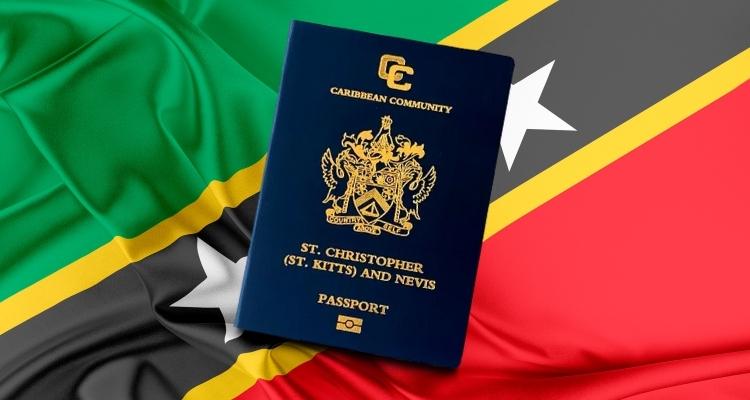
In a significant development, St. Kitts and Nevis has taken decisive action against a Chinese national, whose passport has been officially deactivated amid mounting allegations of involvement in extensive money laundering activities. This move comes as authorities prepare for an impending trial that could result in a lengthy prison sentence of up to 20 years. The decision underscores the Caribbean nation’s commitment to upholding the integrity of its financial systems and addressing international concerns regarding illicit financial practices. As the legal proceedings unfold, questions arise about the broader implications for foreign nationals residing in the region and the effectiveness of St. Kitts’ measures in combating organized crime.
St Kitts Government Takes Action Against Money Laundering with Passport Deactivation of Chinese National
The government of St Kitts has taken a significant step in its ongoing fight against financial crime by deactivating the passport of a Chinese national recently implicated in a major money laundering scheme. This decision follows a thorough investigation that revealed the individual’s alleged involvement in activities that could have far-reaching implications for the Caribbean nation’s reputation. Authorities are committing to ensuring that individuals engaged in illegal financial practices cannot exploit the country’s visa and citizenship programs.
As the legal proceedings unfold, the following measures have been put in place to enhance financial oversight and transparency:
- Increased monitoring of financial transactions within the banking sector.
- Collaboration with international law enforcement agencies to track and prevent money laundering.
- Educational initiatives aimed at financial institutions to recognize and report suspicious activities.
In light of this event, St Kitts plans to review its existing policies related to citizenship by investment, reinforcing its commitment to combating financial crime while safeguarding the integrity of its economic programs.
Legal Implications and International Relations: St Kitts’ Approach to Financial Crimes
The recent decision by St Kitts to deactivate the passport of a Chinese national facing significant charges of money laundering reflects the country’s steadfast commitment to upholding the integrity of its financial systems. By taking decisive action, the government underscores its determination to combat financial crimes, which have far-reaching implications not only for domestic security but also for international relations. St Kitts’ approach highlights several critical factors:
- Cooperation with International Agencies: Strengthening ties with organizations such as INTERPOL and the Financial Action Task Force (FATF).
- Legal Reforms: Ongoing enhancements to anti-money laundering (AML) legislation to comply with global standards.
- Public Awareness: Increasing efforts to educate citizens about the risks of financial crimes and the importance of transparency.
This proactive stance not only aims to secure the nation’s economic environment but also plays a crucial role in positioning St Kitts as a responsible player on the global stage. In a world increasingly aware of the ramifications of financial misconduct, the implications for international relations are significant. Countries around the world may view St Kitts’ rigorous enforcement as a model for balancing economic interests with ethical standards, potentially fostering stronger diplomatic ties and investment opportunities while deterring illicit activity.
Strengthening Anti-Money Laundering Measures: Recommendations for Future Policy Enhancements
The recent decision by St. Kitts to deactivate the passport of a Chinese national facing significant legal repercussions underscores the pressing need for enhanced anti-money laundering (AML) measures worldwide. As financial crime continues to evolve, jurisdictions must not only bolster existing frameworks but also embrace innovative approaches. Key recommendations include:
- Increased Transparency: Mandate transparent reporting from financial institutions and real estate sectors to track large transactions effectively.
- International Cooperation: Foster alliances between countries to share intelligence and resources in combating money laundering schemes.
- Advanced Technology Utilization: Leverage artificial intelligence and blockchain technology for better transaction tracking and anomaly detection.
Moreover, regulatory bodies should prioritize the development of robust training programs for enforcement personnel. These initiatives can empower staff with updated knowledge and tools to detect and address money laundering activities more efficiently. A potential framework for training could include:
| Training Module | Focus Area |
|---|---|
| Module 1 | Understanding Financial Transactions |
| Module 2 | Identifying Red Flags |
| Module 3 | Legal Frameworks and Compliance |
Concluding Remarks
In conclusion, St. Kitts’ decision to deactivate the passport of a Chinese national implicated in a substantial money laundering scheme underscores the nation’s commitment to upholding its legal and ethical standards. As authorities navigate the complexities of international finance and crime, the case serves as a critical reminder of the challenges faced in combating global corruption. With potential sentences of up to 20 years looming, the repercussions of this situation extend beyond individual accountability, highlighting the need for robust cooperation among nations in fighting financial malfeasance. The developments in this case will undoubtedly be closely monitored, as they could have implications for both St. Kitts’ international standing and the broader context of global financial regulation. As this story unfolds, the world watches to see how St. Kitts will balance its reputation as a favored destination for international business with its responsibility to ensure integrity and transparency in its systems.











