
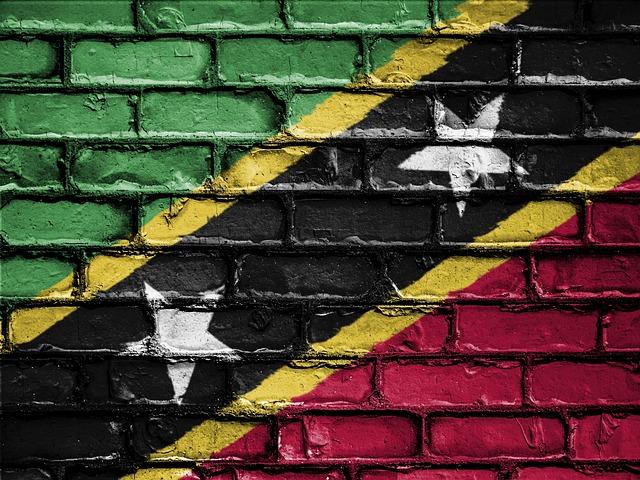
Exploring the Jewel of the Caribbean: Unveiling the Maps and Facts of Saint Kitts and Nevis
As travelers increasingly seek off-the-beaten-path destinations, the twin-island federation of Saint Kitts and Nevis shines as a captivating choice in the Caribbean. Known for its verdant landscapes, rich history, and vibrant culture, this nation offers more than just sun-soaked beaches-it boasts a wealth of geographical and historical significance. In this article, we delve into the intricate maps and compelling facts that define Saint Kitts and Nevis, providing readers with a comprehensive look at what makes this island paradise unique. From its topographical features to its cultural heritage, join us as we uncover the layers of this hidden gem in the Eastern Caribbean.
Exploring the Geographic Diversity of Saint Kitts and Nevis
Saint Kitts and Nevis, as the smallest nation in the Western Hemisphere, boasts a stunning array of geographic diversity that reflects its volcanic origins and tropical climate. The islands are characterized by their lush landscapes, including steep mountains and charming coastlines. Notably, the majestic Mount Liamuiga on Saint Kitts rises to an impressive 1,156 meters, offering breathtaking views and challenging hikes for outdoor enthusiasts. Meanwhile, Nevis is equally captivating, featuring the dormant volcanic peak of Nevis Peak, which plays a crucial role in the island’s ecosystem and cultural identity.
The distinct biogeographic zones of Saint Kitts and Nevis contribute to a rich variety of flora and fauna. The islands are home to diverse habitats ranging from rainforests to coastal mangroves. Visitors can expect to encounter:
- Coconut palm trees lining the beaches
- Fragrant spice plants in the interior
- Colorful coral reefs along the coasts
In addition to its natural beauty, the islands’ unique topography has influenced the cultural practices and agricultural activities of their inhabitants. The fertile lands and varied elevations allow for the cultivation of crops such as sugarcane, bananas, and coffee, making agriculture a vital part of the local economy.
Essential Facts Every Traveler Should Know about Saint Kitts and Nevis
Saint Kitts and Nevis, the smallest country in the Western Hemisphere, offers travelers a unique blend of natural beauty and rich history. The islands are known for their stunning landscapes, from the lush green hills of Saint Kitts to the pristine beaches of Nevis. Some essential facts that every traveler should know include:
- Capital City: Basseterre, located on Saint Kitts, serves as the administrative and commercial hub.
- Official Language: English is the primary language spoken, making communication straightforward for English-speaking travelers.
- Currency: The East Caribbean Dollar (XCD) is the official currency, and U.S. dollars are widely accepted.
- Climate: The islands enjoy a tropical climate, with an average temperature of 25°C to 30°C (77°F to 86°F) year-round.
Understanding the logistics of your trip can enhance your experience. Travel between the islands is commonly achieved by ferry, and there are also regular flights connecting both islands. Additionally, accommodations range from luxurious resorts to charming guesthouses, catering to various budgets. Here’s a useful table for quick reference:
| Feature | Details |
|---|---|
| Population | Approximately 53,000 |
| Time Zone | AST (UTC-4) |
| Driving Side | Left |
| Best Time to Visit | December to April |
Navigating the Islands: Best Maps and Resources for Visitors
When exploring the enchanting landscapes of Saint Kitts and Nevis, having the right maps and resources at your fingertips can greatly enhance your adventure. Digital maps are an indispensable tool for modern travelers, providing real-time navigation and insights into local attractions. Apps such as Google Maps and Waze deliver detailed layouts and updates, while offline map options like maps.me ensure you won’t get lost even without internet access. Additionally, local tourism websites often provide downloadable maps that highlight essential sites, hiking trails, and historical landmarks.
For those who prefer a tactile experience, purchasing paper maps from local shops or visitor centers is a fantastic option. These resources often come adorned with unique features like insider tips from local guides. Consider the following essential resources for your journey:
- Saint Kitts & Nevis Tourism Authority: Offers a variety of brochures and maps at their information centers.
- Island Guidebooks: Available in major bookstores and tourist shops, these often contain comprehensive insights and itineraries.
- Local Guides: Hiring a local guide can provide personal navigation and invaluable knowledge about hidden gems.
| Resource Type | Description |
|---|---|
| Digital Maps | Real-time navigation on smartphones. |
| Paper Maps | Tactile navigation tools with local insights. |
| Guided Tours | Personal navigation with local experts. |
| Visitor Centers | Information hubs for maps and resources. |
Closing Remarks
In summary, the twin-island nation of Saint Kitts and Nevis offers a rich tapestry of culture, history, and geography that is beautifully captured through its maps and key facts. From the lush volcanic landscapes of Saint Kitts to the serene beaches of Nevis, these islands are not only a haven for tourists but also a crucial part of the Caribbean’s socio-economic fabric. Understanding the intricacies of their geography provides invaluable insights into the challenges and opportunities faced by this enchanting nation. As Saint Kitts and Nevis continues to navigate its way in the modern world, its maps serve as a vital tool for both residents and visitors alike, illustrating the path forward in preserving its natural beauty and vibrant heritage. For those looking to explore or learn more, Saint Kitts and Nevis remains an inviting destination that is as rich in history as it is in scenic vistas.











