
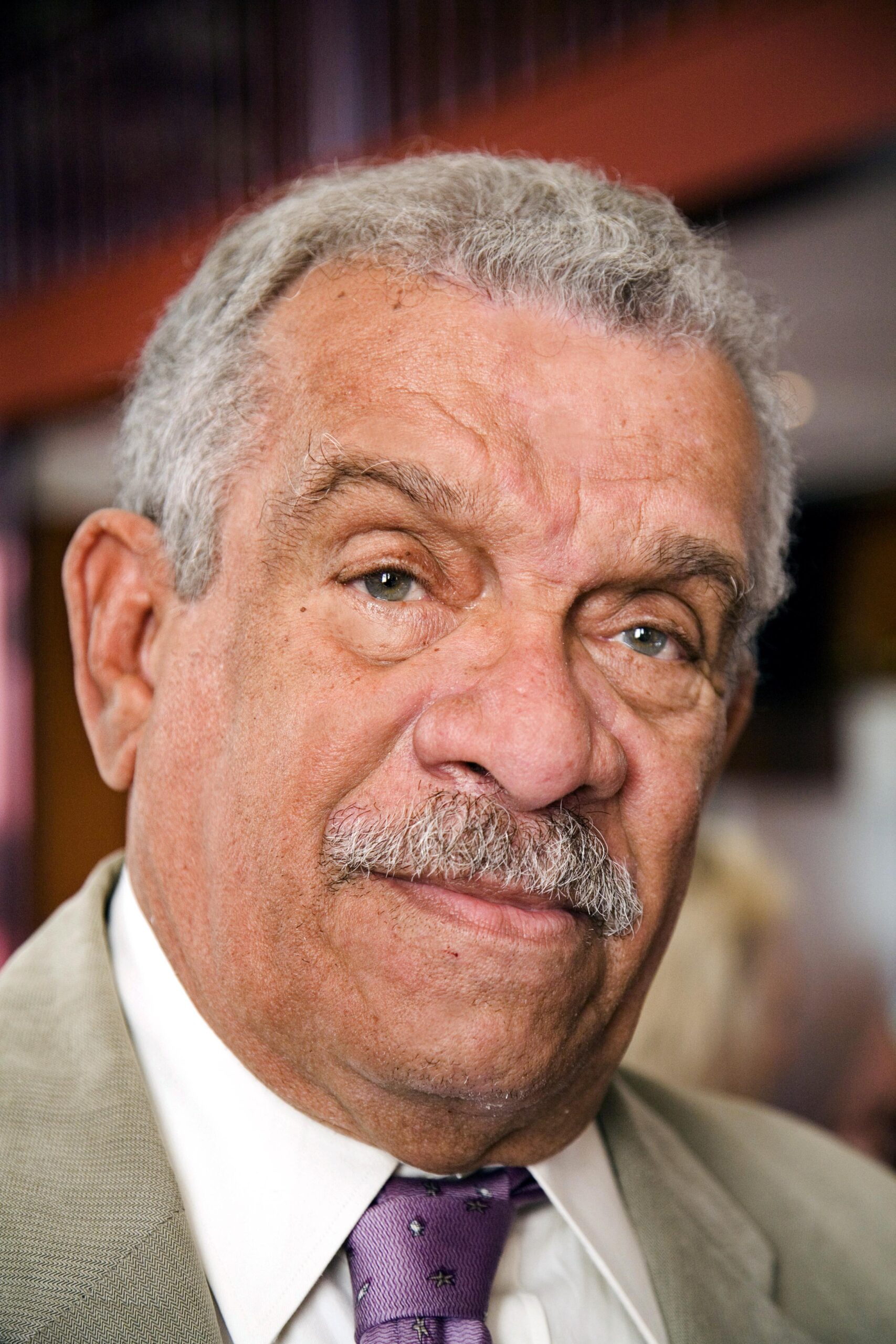
“No Man Is an Island, but Derek Walcott Was St. Lucia” – A Tribute to a Literary Titan in American Theatre
In the vibrant tapestry of Caribbean literature, few figures loom as large as Derek Walcott, the Nobel Prize-winning poet and playwright whose indelible mark on American theatre reshaped the way audiences perceive the intersection of culture and identity. Born in the picturesque landscape of St. Lucia, Walcott’s works transcend the boundaries of geography, exploring themes of colonialism, heritage, and the human experience. As we reflect on his life and legacy, this article delves into the profound impact Walcott had not only on the theatrical world but also on the broader discourse surrounding identity and belonging in the postcolonial era. Join us as we celebrate a visionary artist who, though he may have walked the shores of an island, ultimately bridged continents with his powerful words and evocative narratives.
Derek Walcott’s Legacy: The Cultural Impact of a St. Lucian Voice on American Theatre
Derek Walcott’s indelible mark on American theatre emerges from his unique ability to weave the rich tapestry of Caribbean culture into the fabric of mainstream narratives. His works, such as “Dream on Monkey Mountain” and “The Odyssey: A Stage Version,” redefine the boundaries of storytelling, merging the lyrical beauty of his native St. Lucia with universal themes of identity, struggle, and redemption. Through his profound use of language and symbolism, Walcott has introduced audiences to the vibrancy of Caribbean life, allowing a global audience to engage with local issues through a wider lens. His poetic dialogues and complex characters serve as a mirror, reflecting not only the Caribbean experience but also the intricacies of the human condition, enriching American theatre with diverse perspectives.
Beyond his own work, Walcott’s legacy resonates through the renewed focus on Caribbean voices in American theatre, inspiring aspiring playwrights and artists from similar backgrounds. His influence extends across several generations, fostering an environment where multicultural narratives gain appreciation and visibility in the theatrical landscape. Institutions and festivals now champion the works of diverse playwrights, a testament to his role as a cultural catalyst. The synthesis of historical themes and personal echoes, as seen in his plays, ignites a dialogue around race, colonialism, and the intersection of cultures, ultimately shaping a richer narrative tapestry. Through his profound artistry, Derek Walcott embodies the spirit of St. Lucia and continues to redefine the nature of American storytelling.
Exploring the Intersection of Caribbean Identity and Global Narratives in Walcott’s Works
Derek Walcott’s literary and theatrical contributions weave a rich tapestry that reflects the complexities of Caribbean identity within a broader global context. His works often depict the duality of life in the Caribbean, grappling with colonial legacies while simultaneously celebrating the vibrant cultural heritage. Themes of heritage, memory, and place intertwine in Walcott’s narratives, illuminating the profound connection between individual lives and the larger historical forces at play. Through his beautifully crafted characters and poetic language, Walcott navigates the spectrum of identity, challenging the notion that Caribbean voices exist in isolation from the global narrative.
The influence of Walcott’s St. Lucian background is palpable in his exploration of universal themes, which resonate deeply with audiences worldwide. His ability to articulate the joys and struggles of Caribbean existence mirrors the complexities faced by many marginalized communities around the globe. Key elements of his works include:
- Cultural Syncretism: The fusion of African, European, and indigenous influences.
- Historical Reflection: Engaging with the past to illuminate contemporary struggles.
- Language and Voice: A distinctive use of Creole and English that speaks to authenticity.
- Connection to Nature: A celebration of the Caribbean landscape as a vital character.
Walcott’s ability to articulate these intersections fosters a dialogue, inviting readers and audiences to reconsider their own narratives in relation to Caribbean history and identity. The resonance of his work expands beyond the boundaries of St. Lucia, asserting that while an artist may draw from personal experiences, their message can ripple across seas, uniting disparate cultures in a shared quest for understanding.
Recommendations for Celebrating Walcott’s Influence in Contemporary Theatre Productions
To truly honor Derek Walcott’s monumental contributions to theatre, contemporary productions can draw inspiration from his unique blend of Caribbean cultural identity and universal themes. Directors and playwrights should consider incorporating elements of Walcott’s rich narratives, such as the exploration of post-colonial identity and the profound connection to nature. This can be achieved through the use of multimedia elements, incorporating visual artistry that reflects the vibrant landscapes of St. Lucia, or by integrating traditional Caribbean music and dance into performances to create an immersive experience for audiences.
Moreover, fostering collaborative efforts among diverse artists can echo Walcott’s emphasis on interconnectedness. Productions might feature workshops and community engagement tailored to include local narratives, allowing the voices of St. Lucia and the broader Caribbean to permeate their storytelling. Below are recommendations for theatre companies looking to celebrate Walcott’s legacy:
- Host staged readings of his lesser-known works to introduce audiences to his full range of artistry.
- Commission new works inspired by Walcott’s themes, encouraging emerging playwrights to articulate their interpretations.
- Arrange panel discussions featuring scholars and practitioners to dissect Walcott’s impact on modern theatre.
Future Outlook
In conclusion, Derek Walcott’s legacy transcends the geographical confines of St. Lucia, resonating deeply within the realms of American theatre and beyond. His profound exploration of identity, culture, and human interconnectedness invites us to reflect on our own narratives and relationships. As we celebrate his contributions, we recognize that while no man is an island, Walcott’s artistry has solidified his place as a vital voice in the tapestry of global literature and performance. The echoes of his words continue to inspire new generations of artists and audiences alike, ensuring that his influence will endure long into the future. As we bid farewell to this literary giant, we are reminded that his journey, rooted in the Caribbean, has forever altered the landscape of theatre, uniting us all in the shared experience of storytelling.











