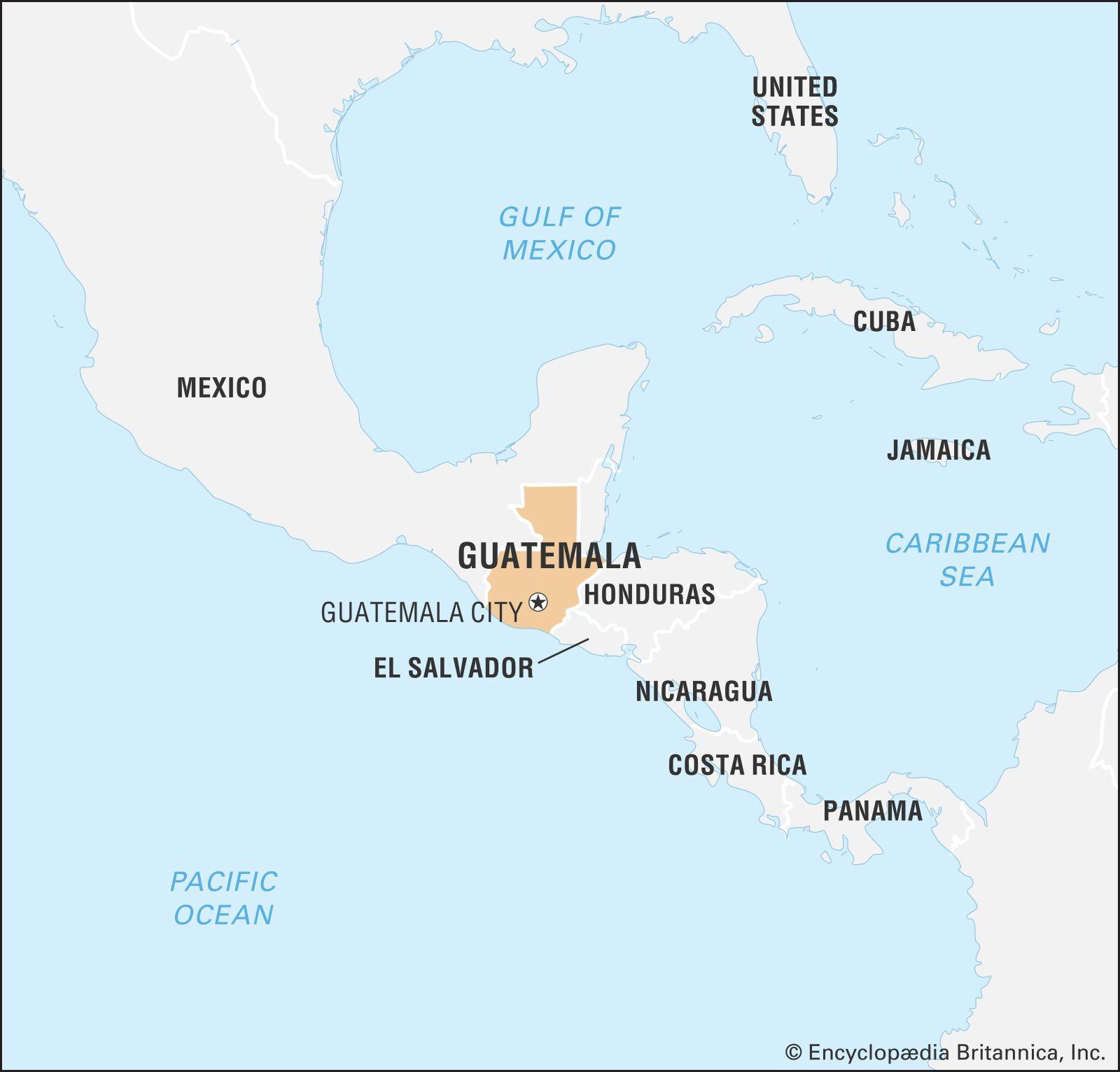
Guatemala and St. Lucia Join CAF РBanco de Desarrollo de Am̩rica Latina
In a significant stride towards bolstering regional economic cooperation, Guatemala and St. Lucia have officially joined the ranks of the Development Bank of Latin America (CAF). This strategic partnership is poised to enhance the financial landscape in both nations and promote sustainable development initiatives across the region. The inclusion of these two member countries reflects CAF’s commitment to expanding its influence and supporting economic growth in Latin America and the Caribbean. As Guatemala and St. Lucia align with CAF’s vision, stakeholders are optimistic about the potential for improved infrastructure, investment opportunities, and collaborative efforts aimed at addressing pressing socio-economic challenges. This development marks a pivotal moment for both nations as they seek to leverage CAF’s resources and expertise to drive progress and prosperity for their citizens.
Guatemala and St. Lucia Strengthen Regional Ties through CAF Membership
In a significant move aimed at enhancing economic collaboration, Guatemala and St. Lucia have officially joined the CAF (Development Bank of Latin America). This milestone not only strengthens their commitment to regional integration but also paves the way for increased funding and support for development projects in both nations. As members, Guatemala and St. Lucia will gain access to a broader range of financial services aimed at bolstering infrastructure, promoting social development, and fostering sustainable economic growth.
The inclusion of these two countries is expected to create a more dynamic economic landscape and offers opportunities to leverage collective resources for regional challenges. Key benefits of their CAF membership include:
- Access to Financial Resources: Facilitation of funding for critical projects.
- Technical Assistance: Support for capacity building and project implementation.
- Regional Collaboration: Enhanced partnerships with other member states.
To highlight the potential impacts, a comparison table showcasing priority areas for development has been established:
| Country | Priority Area | Expected Outcome |
|---|---|---|
| Guatemala | Infrastructure Development | Improved Transport Networks |
| St. Lucia | Tourism Enhancement | Increased Visitor Engagement |
Economic Opportunities Unlocked: What CAF Membership Means for Guatemala and St. Lucia
The entry of Guatemala and St. Lucia into the CAF, or Development Bank of Latin America, heralds a new chapter in economic collaboration and growth for both nations. This strategic partnership offers a wealth of financial resources and technical expertise, enabling these countries to accelerate development projects that were previously stymied by budget constraints. The implications of this membership are profound, providing access to funding that can enhance infrastructure, education, and healthcare sectors across both nations.
Among the expected benefits are:
- Increased Investment: Membership allows for significant foreign direct investment, attracting businesses seeking to capitalize on the growing markets in Guatemala and St. Lucia.
- Technical Assistance: CAF’s expertise will provide crucial guidance in designing and implementing projects that are environmentally sustainable and economically viable.
- Regional Integration: Strengthening economic ties with other CAF member nations will foster trade opportunities, creating a more interconnected Latin American market.
| Benefit | Guatemala | St. Lucia |
|---|---|---|
| Infrastructure Development | Roads, Bridges | Ports, Airports |
| Social Programs | Education Initiatives | Health Improvement |
| Sustainable Projects | Renewable Energy | Ecotourism |
Strategic Initiatives for Growth: Recommendations for Leveraging CAF Resources in the Caribbean and Central America
The recent accession of Guatemala and St. Lucia to the CAF marks a pivotal moment for regional development and collaboration. To truly harness the potential that this partnership offers, targeted strategic initiatives are essential. A few key recommendations to leverage CAF resources effectively include:
- Investment in Infrastructure: Prioritize financing for critical infrastructure projects that promote connectivity and economic development, particularly in transportation and energy sectors.
- Capacity Building Programs: Implement training and capacity development initiatives for local governments to enhance project management and implementation skills.
- Public-Private Partnerships: Encourage collaboration between public entities and private investors to foster innovation and financial sustainability in development projects.
Furthermore, fostering a cooperative framework for knowledge sharing among member countries can amplify the benefits of CAF’s resources. Establishing a structured platform for:
- Regular Stakeholder Meetings: Facilitate continuous dialogue among stakeholders to assess progress and recalibrate strategies as necessary.
- Resource Allocation Transparency: Ensure transparency in funding flows and project outcomes to maintain public trust and accountability.
- Research and Development Grants: Promote innovation by providing grants for research projects that address regional challenges such as climate change and social inequality.
In Summary
In conclusion, the recent admission of Guatemala and St. Lucia into the Latin American Development Bank (CAF) marks a significant milestone in regional collaboration and economic advancement. This integration not only strengthens CAF’s mandate to foster sustainable development and poverty reduction across Latin America and the Caribbean but also opens new avenues for investment and resources for these nations. As both countries embark on this new chapter, the CAF’s support will be crucial in mobilizing funding for infrastructure, social programs, and environmental initiatives. Stakeholders and citizens alike will be watching closely as Guatemala and St. Lucia leverage this partnership to promote economic growth and enhance the quality of life for their populations. With the challenges of the current global landscape, the collaboration within CAF stands as a hopeful reminder of the power of unity in achieving shared goals.