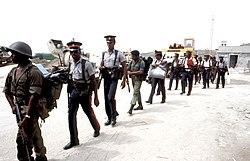
In a time of escalating geopolitical tensions and military posturing, the call for a “Zone of Peace” in the Caribbean has never been more urgent. Vincentian diplomat and renowned advocate for regional stability, Sir Louis Straker, has raised alarms over the recent military buildup by the United States in the region. As Caribbean nations grapple with the implications of such developments, Straker emphasizes the necessity of prioritizing diplomacy and cooperation over militarization. His remarks come amid growing concerns that increased U.S. presence could destabilize the delicate balance of peace and security in the Caribbean. This article explores the implications of Straker’s warnings, the historical context of Caribbean peace initiatives, and the urgent need for a collective approach to ensure that the Caribbean remains a sanctuary of harmony in a turbulent world.
Calls for Regional Unity in Response to U.S. Military Expansion
The recent assertion by a Vincentian diplomat underscores a growing sentiment among Caribbean nations regarding the increasing U.S. military presence in the region. In a climate where geopolitical tensions are on the rise, leaders are advocating for regional solidarity and emphasizing the importance of maintaining the Caribbean as a zone of peace. The potential implications of military expansion have prompted conversations about a collective response to safeguard the sovereignty and stability of Caribbean states.
Regional unity is being proposed as a critical strategy to address foreign military influence. Advocates for this approach suggest that Caribbean nations should come together to establish frameworks that promote peaceful dialogue and mutual support. Key components of this proposed strategy include:
- Collaborative Defense Initiatives: Joint military exercises that enhance preparedness without escalating tensions.
- Diplomatic Engagements: Regular summits among Caribbean leaders to discuss security challenges and establish a unified stance.
- Public Awareness Campaigns: Educating citizens on the importance of regional peace and the impact of foreign military presence.
These measures aim not only to mitigate external pressures but also to foster an environment where autonomy and cooperation thrive. By prioritizing regional interests, Caribbean countries can navigate the complexities of international relations while reinforcing their commitment to a peaceful coexistence.
Examining the Implications of Increased Military Presence in the Caribbean
The escalating military presence in the Caribbean has sparked significant concerns among regional leaders, particularly regarding its potential to disrupt the longstanding ethos of peace that many island nations have cultivated. Vincentian diplomat and advocates emphasize the importance of maintaining a non-aligned stance, urging both local governments and international powers to reflect on the ramifications of increased military operations in their territories. They argue that military buildup could lead to heightened tensions, disrupt diplomatic relations, and compromise the peaceful coexistence that has characterized the region for decades.
Moreover, the implications of this military strategy extend beyond national borders, influencing the entire Caribbean community. Key considerations include:
- Threat to Sovereignty: Increased foreign military presence may challenge the autonomy of Caribbean nations.
- Impact on Tourism: Security concerns could deter travelers, who are vital to the local economies.
- Geopolitical Tensions: Heightened military activity could attract rival engagements, prompting local unrest.
In light of these concerns, Caribbean nations must navigate a delicate balance between securing their interests and championing their vision of a peaceful and cooperative region. It is imperative for these governments to prioritize dialogue and diplomatic measures, aligning their strategies with the collective desire to uphold the Caribbean as a Zone of Peace.
Strategies for Maintaining Peace and Stability in Caribbean Waters
In a region marked by rich cultural diversity and ecological significance, the Caribbean must prioritize collaborative efforts to ensure ongoing peace and stability. Several strategies can be employed to foster this environment, including:
- Strengthening Regional Alliances: Caribbean nations should enhance partnerships through organizations such as CARICOM to promote collective responsibility and deterrence against external threats.
- Diplomatic Engagement: Continuous dialogue among nations can help resolve disputes amicably and prevent escalation into conflict.
- Focus on Economic Cooperation: Developing shared economic initiatives can reduce tensions by promoting mutual dependency and prosperity.
- Investment in Maritime Security: Joint maritime patrols and intelligence sharing can safeguard territorial waters from illegal activities, thereby reducing insecurity.
Moreover, public awareness and education programs are essential in maintaining stability. Investing in community-based initiatives that promote understanding of the importance of peace can empower local populations. Key areas to focus on include:
| Initiative | Description |
|---|---|
| Peace Education | Programs in schools that teach conflict resolution and non-violence principles. |
| Community Dialogues | Facilitated discussions amongst community leaders to address local issues. |
| Cultural Exchange Programs | Encouraging interactions between diverse groups to celebrate differences and commonalities. |
In Conclusion
In conclusion, as the geopolitical landscape continues to shift with the increasing military presence in the Caribbean, the call for peace resonates louder than ever. Vincentian diplomats emphasize the importance of maintaining the region as a sanctuary of tranquility and cooperation, urging neighboring nations and global powers to engage in dialogue rather than escalation. The commitment to uphold the Caribbean as a Zone of Peace is not merely a diplomatic stance but a necessity for ensuring the stability and prosperity of the island nations and their people. As tensions rise, the commitment to a harmonious Caribbean must remain at the forefront of regional and international discussions, fostering an environment where collaboration and mutual respect can flourish. The future of the Caribbean hinges on its ability to navigate these challenges while upholding its fundamental ideals of peace and solidarity.