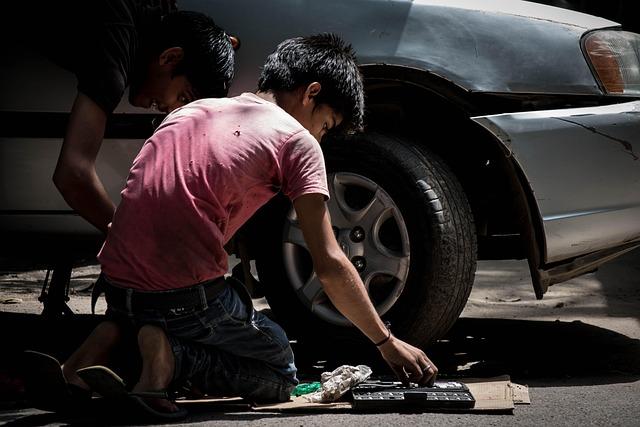
In a significant report released by the U.S. Department of Labor, alarming findings have emerged regarding the prevalence of the worst forms of child labor in Saint Vincent and the Grenadines. The study underscores the ongoing challenges faced by the nation in its fight against child exploitation, revealing a disturbing picture of vulnerable children engaged in laborious activities that threaten their health, education, and overall well-being. As the Caribbean nation grapples with socioeconomic barriers and cultural attitudes towards child labor, activists and policymakers are being called to action to address these pressing issues. This article delves into the critical insights presented in the report, shedding light on the pervasive nature of child labor in the region and the urgent need for comprehensive reforms to protect the rights of its youngest citizens.
Child Labor Trends in Saint Vincent and the Grenadines
Child labor remains a pressing issue in Saint Vincent and the Grenadines, where certain sectors continue to expose children to hazardous conditions. Recent findings highlight several key areas where minors are at risk of exploitation, particularly in the agricultural sector. Notably, children are often involved in:
- Farm Work: Engaging in long hours of labor, sometimes under dangerous weather conditions.
- Fishing Activities: Participating in fishing ventures that expose them to physical hazards.
- Domestic Work: Performing household chores that may turn exploitative, especially when families face economic hardships.
Efforts to combat these practices have been met with varying degrees of success. Authorities are increasingly focusing on awareness campaigns and community outreach to inform families about the legal obligations regarding child labor. However, challenges remain, as a lack of resources and limited enforcement capabilities hinder these initiatives. Data from the latest reports indicate a need for further interventions, including:
- Stronger Legislation: Updating existing laws to close loopholes that allow child labor to persist.
- Enhanced Monitoring: Establishing a robust system to track child labor trends and enforcement of protective measures.
- Community Support Programs: Initiating educational programs that address the root causes of child labor by promoting family welfare and poverty alleviation.
Impact of Agricultural Practices on Child Labor Vulnerability
The prevalence of child labor in Saint Vincent and the Grenadines is closely linked to various agricultural practices that create urgent vulnerabilities for children. Certain farming methods, particularly those reliant on seasonal crops such as bananas and coconuts, often demand intensive labor, which can directly lead to the exploitation of young workers. Children are more easily drawn into labor during peak harvest times when families struggle to meet economic demands. This scenario is exacerbated by factors such as:
- Poverty: Families with limited resources often resort to child labor to supplement household income.
- Lack of Education: Inadequate access to quality education keeps children tethered to agricultural fields instead of classrooms.
- Cultural Norms: Establishing a familial tradition of farmwork may inadvertently normalize child labor practices.
Moreover, the absence of robust regulations surrounding agricultural labor further perpetuates this issue. Legal frameworks fail to protect vulnerable children, allowing agricultural businesses to thrive at the expense of their welfare. The following table highlights some key factors impacting child labor vulnerability:
| Factor | Impact on Child Labor |
|---|---|
| Poverty Levels | Increases dependency on children’s income |
| Community Support | Weak networks fail to shield children from exploitation |
| Education Access | Low enrollment rates contribute to child labor prevalence |
Recommendations for Combating Child Labor in the Region
To address the pressing issue of child labor in Saint Vincent and the Grenadines, a multi-faceted approach is essential. Local governments, NGOs, and community organizations must collaborate to raise awareness about the detrimental effects of child labor on education and health. Education plays a vital role in this battle; thus, initiatives should be implemented to support access to free and compulsory schooling. Key actors can include:
- Establishing after-school programs to keep children engaged in productive activities.
- Providing financial incentives to families who keep their children in school.
- Creating public awareness campaigns highlighting the importance of education over labor.
Additionally, enforcing stricter regulations on child labor and promoting responsible business practices is critical. This can be achieved through collaboration with local businesses to ensure they adhere to ethical labor policies. Establishing a monitoring system will facilitate accountability and transparency in employment practices. Key strategies might encompass:
| Strategy | Description |
|---|---|
| Inspection Programs | Regular evaluations of workplaces to identify and address child labor violations. |
| Reporting Mechanisms | Confidential channels for reporting suspected child labor cases. |
| Community Engagement | Involvement of local communities in safeguarding children’s rights. |
Closing Remarks
In conclusion, the findings on the worst forms of child labor in Saint Vincent and the Grenadines, as reported by the U.S. Department of Labor, underscore the ongoing challenges faced in safeguarding the rights and welfare of the nation’s youth. While significant strides have been made in addressing child labor, the prevalence of hazardous work environments and inadequate regulatory frameworks poses a significant threat to the well-being of vulnerable children. As stakeholders, including governmental bodies, NGOs, and community leaders, seek to forge effective strategies for eradicating these practices, it is essential for all to collaborate and prioritize the protection of children’s rights. The awareness raised by these findings is a crucial step in promoting a future where every child can thrive free from exploitation. Continued vigilance, combined with concerted action, will be necessary to ensure that the next generation can pursue their dreams unburdened by the shackles of labor.