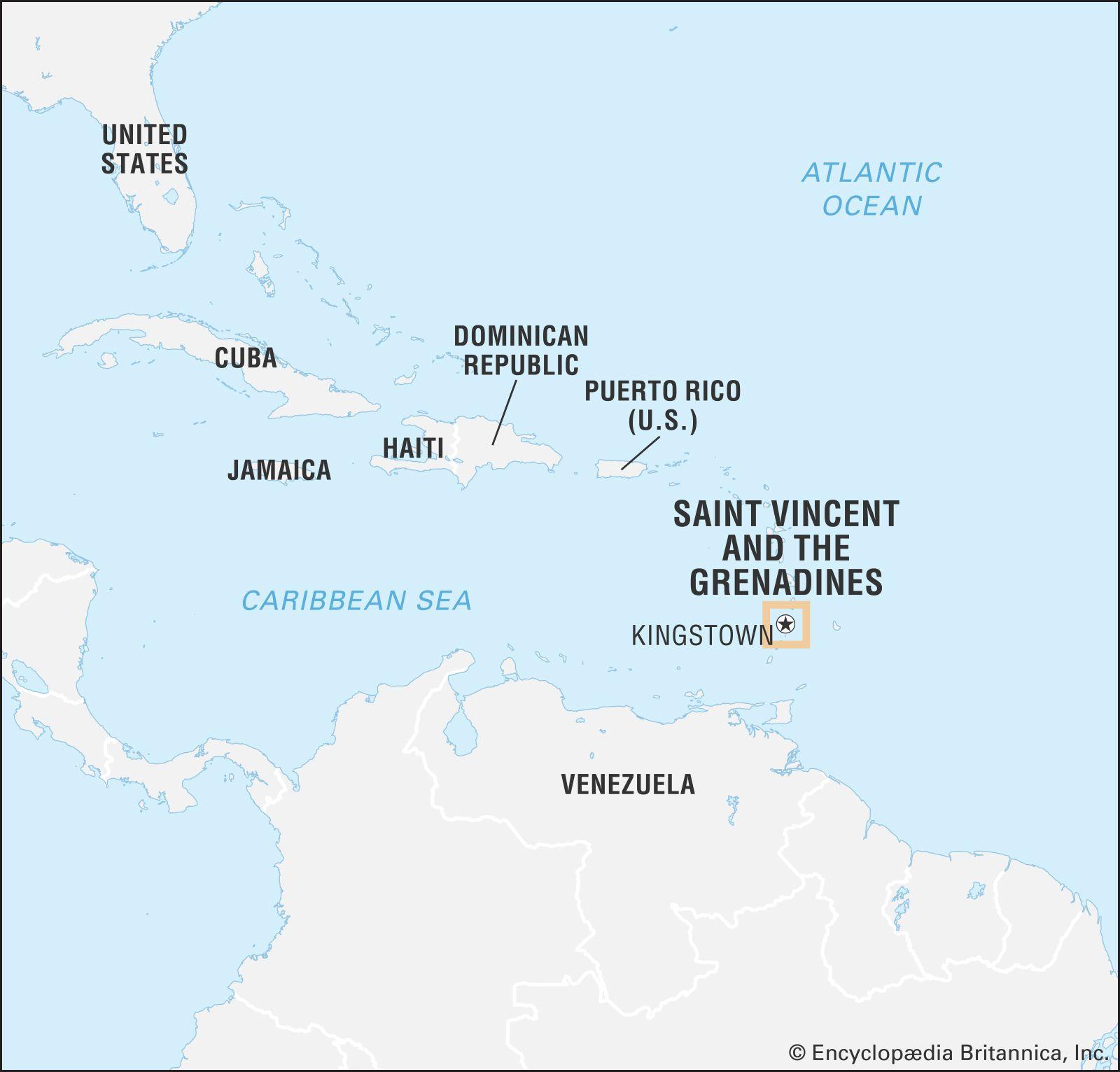
Title: Saint Vincent and the Grenadines Calls for Unconditional U.S. Dialogue with Cuba and Venezuela
In a bold diplomatic step, Saint Vincent and the Grenadines has formally requested that the United States engage in unconditional dialogue with both Cuba and Venezuela. This appeal, made by Prime Minister Ralph Gonsalves, emphasizes the importance of open communication amidst escalating tensions in the region. The call comes at a time when geopolitical dynamics are shifting, and the Caribbean nation seeks to foster a more collaborative approach to addressing the complex political and economic challenges faced by its neighbors. As the U.S. reassesses its foreign policies, Gonsalves argues that constructive conversations could pave the way for improved relations and stability in the Caribbean. This article will explore the implications of Saint Vincent and the Grenadines’ request and its potential impact on regional diplomacy and U.S.-Latin American relations.
Saint Vincent and the Grenadines Advocates for Open Dialogue with Cuba and Venezuela
In a bold move reflecting its commitment to regional cooperation and diplomatic engagement, Saint Vincent and the Grenadines has expressed a clear demand for the United States to pursue unconditional dialogue with both Cuba and Venezuela. This position, advocated fervently by Prime Minister Ralph Gonsalves, underscores the Caribbean nation’s belief in the power of conversation over conflict. Gonsalves emphasized that engagement, rather than isolation, is the path to forging mutual understanding and addressing the challenges facing these neighboring countries.
Support for this initiative is rooted in several pivotal arguments, including:
- Strengthening regional stability: Dialogue is essential to creating a more peaceful and cooperative atmosphere in the Caribbean.
- Economic collaboration: Promoting trade and investment opportunities with Cuba and Venezuela can benefit the entire region.
- Addressing humanitarian concerns: Open dialogues can facilitate discussions on crucial issues like health care, education, and poverty alleviation.
To illustrate the potential benefits of this diplomatic approach, the following table highlights key aspects of the proposed dialogue:
| Aspect | Cuba | Venezuela |
|---|---|---|
| Trade Opportunities | Medical collaborations and biotechnology | Oil export partnerships |
| Cultural Exchanges | Art and music festivals | Culinary collaborations |
| Joint Initiatives | Disaster relief efforts | Environmental conservation projects |
The Importance of Unconditional Engagement in Caribbean Foreign Relations
The call from Saint Vincent and the Grenadines for the United States to engage in unconditional dialogue with Cuba and Venezuela underscores a growing sentiment within the Caribbean community to prioritize diplomacy over exclusion. This approach emphasizes the necessity of open communication as a means to address regional challenges, fostering peace and cooperation rather than conflict. By advocating for dialogue, Caribbean leaders hope to establish a framework that not only respects the sovereignty of Cuba and Venezuela but also encourages inclusive development and stability across the region.
Such unconditional engagement can pave the way for addressing critical issues affecting the Caribbean, including economic development, climate change, and security challenges. The benefits of this strategy may include:
- Enhanced trade opportunities between nations
- Collaborative efforts to combat environmental threats
- Strengthened regional alliances promoting unity
Moreover, the pursuit of dialogue may challenge existing geopolitical narratives, allowing Caribbean nations to assert their agency on the global stage and advocate for their own interests without external pressure. By recognizing this importance, countries can work toward a more cohesive and resilient Caribbean, reinforcing the idea that mutual respect and understanding should drive foreign relations.
Recommendations for Strengthening Diplomatic Ties in the Region
To enhance regional diplomatic ties, it is essential for all countries involved to engage in a series of initiatives that promote understanding and cooperation. Key recommendations include:
- Unconditional dialogue: Establish platforms for open dialogue that focus on mutual respect and collaboration, allowing countries like the U.S., Cuba, and Venezuela to address pressing issues without preconditions.
- Cultural exchanges: Promote cultural diplomacy programs that foster ties through education, arts, and community interactions, thereby building lasting connections between citizens of each nation.
- Joint economic initiatives: Create bilateral and multilateral economic projects that encourage investment and shared benefits, focusing on sustainability and development in the region.
- Regional security collaborations: Strengthen cooperative efforts in security matters, addressing crime and environmental challenges collectively to enhance stability.
Furthermore, the establishment of a diplomatic calendar could facilitate regular engagement and accountability among states. This calendar could feature:
| Event | Frequency | Purpose |
|---|---|---|
| High-level summits | Annually | Reinforce dialogue on critical issues |
| Cultural festivals | Bi-annually | Encourage people-to-people connections |
| Economic forums | Quarterly | Discuss trade and investment opportunities |
By implementing these strategies, countries can work towards diminishing historical tensions and fostering a climate of peace, cooperation, and shared prosperity in the region.
To Conclude
In conclusion, Saint Vincent and the Grenadines’ call for the United States to engage in unconditional dialogue with Cuba and Venezuela underscores the ongoing tensions in the Caribbean region and the broader implications for international relations. As Caribbean leaders seek to advocate for a more collaborative and peaceful approach to diplomacy, this demand reflects a growing sentiment among regional actors who are increasingly vocal about the importance of dialogue over confrontation. The responses from the U.S. and the international community will be closely monitored as they could shape the future dynamics in a region historically marked by political and economic challenges. As Saint Vincent and the Grenadines continues to champion this cause, the hope for a more constructive engagement remains a pivotal point in the evolving narrative of Caribbean diplomacy.