
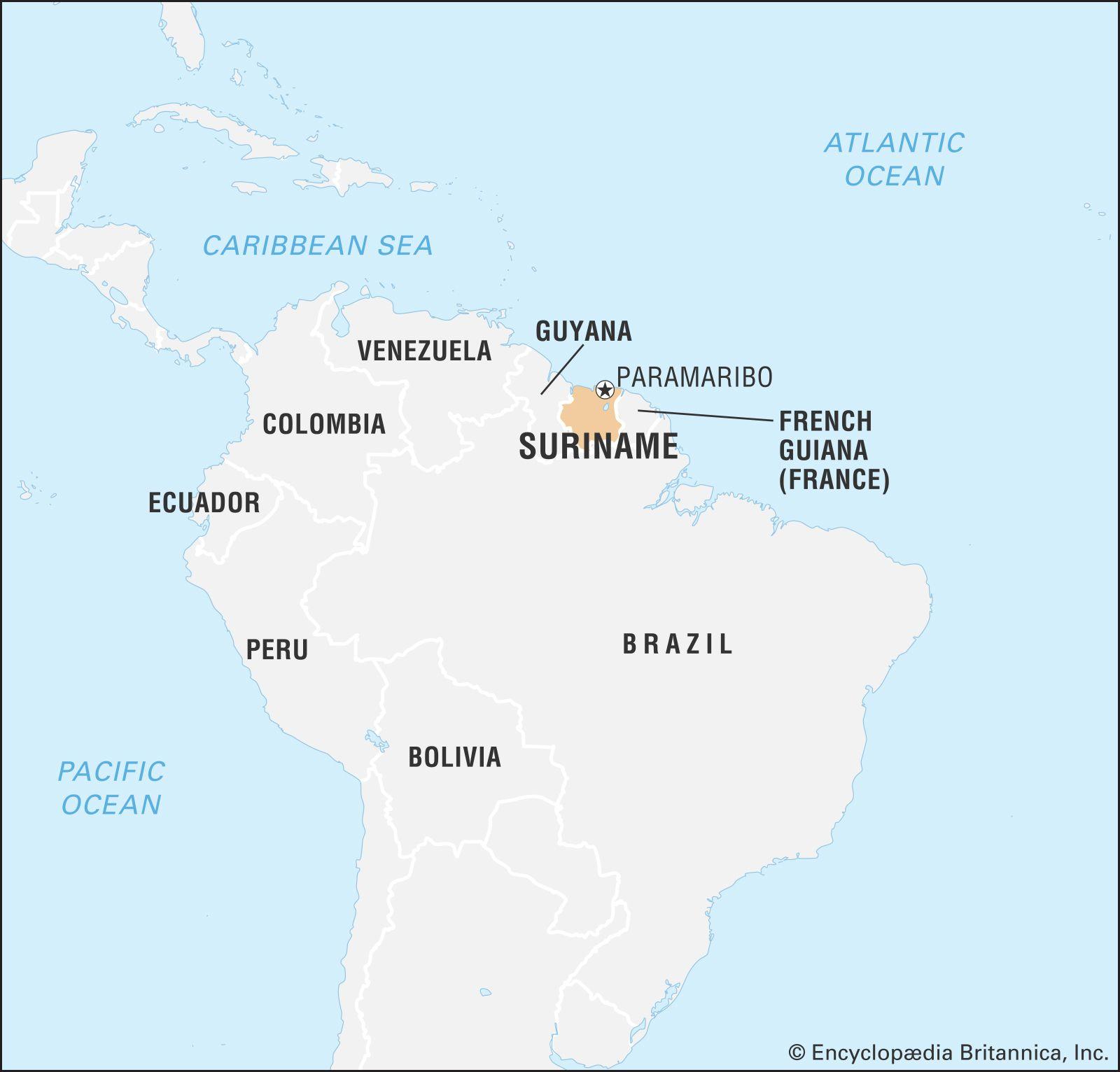
Albert Ramdin of Suriname has made history by becoming the first leader from the Caribbean to assume the presidency of the Organization of American States (OAS). His election marks a significant milestone not only for Suriname but also for the Caribbean region, as Ramdin steps into a pivotal role amid ongoing challenges facing the Americas, including issues of democracy, governance, and inter-American relations. Ramdin’s appointment signals a new chapter in the OAS’s leadership, with expectations that his tenure will bring fresh perspectives on critical regional issues. As he assumes this influential position, both regional leaders and observers are keenly watching how his policies and initiatives will shape cooperation and dialogue across the diverse nations of the Americas.
Albert Ramdin’s Historic Election as OAS Leader Signals a New Era for Caribbean Representation
Albert Ramdin’s election as the leader of the Organization of American States (OAS) marks a significant milestone for Caribbean diplomacy and representation on the global stage. As the first individual from the Caribbean region to assume this high-profile position, Ramdin’s ascension brings fresh perspectives and a renewed focus on issues critical to the Caribbean, including climate change, economic development, and social justice. His extensive diplomatic experience, previously serving as Suriname’s ambassador to the OAS and holding various leadership roles within the organization, positions him uniquely to advocate for the needs and aspirations of the Caribbean community.
With Ramdin at the helm, key priorities are expected to shape his agenda and influence the OAS’s trajectory:
- Strengthening Regional Cooperation: Promote collaboration among Caribbean nations to tackle shared challenges.
- Advocacy for Sustainable Development: Push for policies that support environmental sustainability and climate resilience.
- Enhancing Democratic Governance: Ensure that OAS engages with member states to uphold democratic principles and human rights.
- Empowering Youth: Focus on youth engagement and empowerment to drive future initiatives.
Implications of Ramdin’s Leadership for Regional Diplomacy and Cooperation
Albert Ramdin’s election as the first Caribbean leader of the Organization of American States (OAS) marks a significant turning point for regional diplomacy. His leadership could redefine how Caribbean nations engage with larger geopolitical currents in the Americas. Ramdin brings a wealth of experience from his previous roles within the OAS, which will likely enhance collaborative efforts to address key issues such as economic development and climate change, priorities that resonate deeply within the diverse Caribbean landscape. The Caribbean community is poised to gain a stronger voice in continental discussions, particularly on matters directly affecting their sovereignty and sustainability.
Moreover, Ramdin’s leadership may foster greater cooperation among Caribbean nations, which have historically struggled with fragmentation in their diplomatic efforts. By promoting a unified stance within the OAS, his presidency could lead to innovative approaches in collective bargaining on issues such as trade agreements, security, and social justice. The ripple effect of his leadership may also inspire other regional blocs and organizations, prompting a renewed commitment to multilateralism that prioritizes mutual respect and shared responsibilities. This new dynamic could potentially shift the power balance towards a more inclusive framework for decision-making, essential for the challenges facing the region.
Recommendations for Strengthening OAS Initiatives Under Ramdin’s Tenure
To enhance the initiatives of the Organization of American States (OAS) during Albert Ramdin’s leadership, a multi-faceted approach is necessary. Firstly, it is crucial to strengthen diplomatic ties among member states through enhanced communication channels. Regular summits and workshops can serve as platforms for dialogue, allowing member countries to address common challenges collaboratively. Additionally, increasing engagement with civil society organizations will ensure that grassroots voices are heard in shaping OAS policies, particularly in areas like human rights and democratic governance.
Moreover, investing in technology and innovation can significantly bolster the efficacy of OAS initiatives. Implementing a digital platform for real-time reporting and monitoring of political developments across the region could enhance transparency and response times to emerging crises. Furthermore, partnerships with academic institutions in the Americas can foster research and provide data-driven insights that inform policy decisions. The following strategies may also be explored:
- Capacity-building programs for member states
- Public awareness campaigns to inform citizens about OAS functions
- Joint initiatives with international organizations
Key Takeaways
As Albert Ramdin steps into the role of Secretary General of the Organization of American States, his election marks a significant milestone not only for Suriname but for the Caribbean region as a whole. This historic appointment underscores the growing influence of Caribbean leaders on the international stage and highlights the importance of regional representation in global governance. Ramdin’s leadership will be pivotal as the OAS navigates pressing issues such as democracy, security, and human rights across the Americas. As he embarks on this new chapter, many will be watching closely to see how he addresses the challenges facing the organization and leverages his unique perspective to foster unity and cooperation among member states.











