Why Suriname Matters: South America’s Overlooked Strategic Geography
In a world increasingly defined by geopolitical competition and resource scarcity, Suriname-a small nation nestled on the northeastern coast of South America-emerges as a significant player often overlooked on the global stage. Despite its modest size and population, Suriname’s strategic geography positions it as a potential linchpin in the dynamics of regional stability, economic growth, and environmental sustainability. As nations grapple with shifting alliances and resource conflicts, the Center for Strategic and International Studies (CSIS) sheds light on the critical role Suriname can play in South America’s future. From its rich biodiversity and untapped natural resources to its unique cultural tapestry, this article explores why Suriname deserves greater attention in the discussion of international relations and regional strategy. As the world turns its gaze toward emerging markets and sustainable development, understanding Suriname’s importance is not just advantageous-it is essential.
Suriname’s Geopolitical Significance: Bridging North and South America
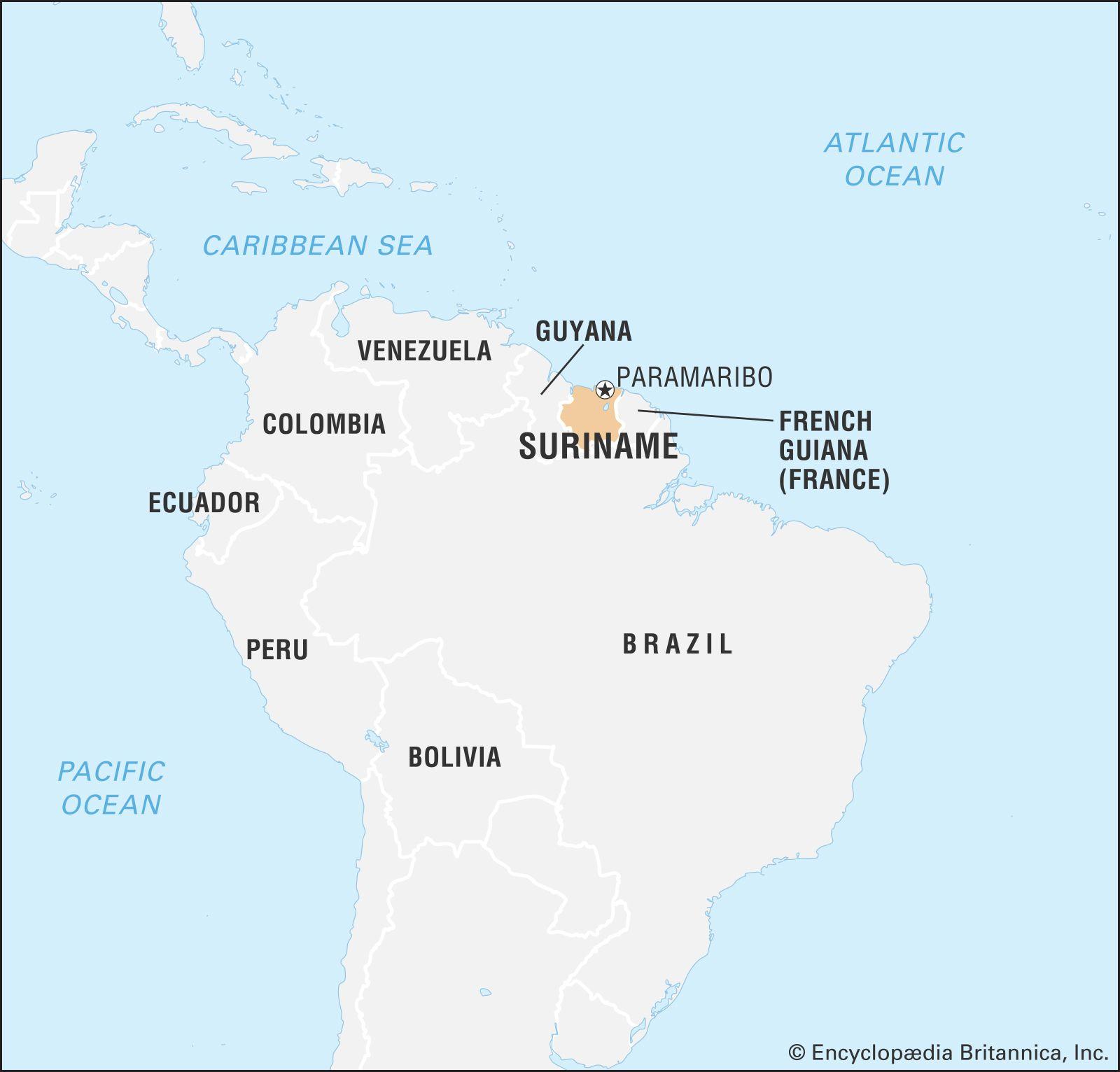
Suriname occupies a unique geographic position that serves as an essential link between North and South America. Nestled on the northeastern coast of South America, it shares borders with French Guiana to the east, Brazil to the south, and Guyana to the west. This strategic location not only fosters cross-border trade but also positions Suriname as a potential transit point for both goods and energy resources. As global trade dynamics shift, the country’s connectivity to the Caribbean and the Atlantic Ocean further enhances its significance as a shipping and logistics hub. The potential for developing an integrated transport network could bolster regional economies while facilitating greater access to international markets.
Moreover, Suriname’s rich natural resources, including vast forests and mineral reserves, amplify its geopolitical relevance. The nation’s ability to serve as a sustainable partner in environmental stewardship aligns with global green energy initiatives, appealing to countries seeking eco-friendly resource sourcing. Also notable is Suriname’s involvement in international organizations, such as the Caribbean Community (CARICOM) and the Union of South American Nations (UNASUR), allowing it to act as a diplomatic bridge in multilateral discussions. These features collectively position Suriname as a pivotal player in addressing regional challenges, enhancing its role on the world stage.
| Geopolitical Aspect | Significance |
|---|---|
| Location | Link between North and South America |
| Trade Facilitation | Potential transit point for goods and energy |
| Natural Resources | Rich in forests and minerals, eco-friendly sourcing |
| International Engagement | Active in CARICOM and UNASUR |
Economic Potential: Harnessing Suriname’s Resources for Regional Development
Suriname’s rich tapestry of natural resources positions the nation as a pivotal player in South America’s economic landscape. With vast deposits of gold, bauxite, and oil, the country stands at the cusp of unlocking sustainable regional growth. Strategic investment in these resources could enhance infrastructure, education, and technology sectors, fostering a robust economic framework not just within Suriname, but also benefiting neighboring countries. By cultivating cross-border trade and cooperative agreements, Suriname can leverage its geographical advantages to stimulate local economies, addressing poverty and unemployment while promoting environmental sustainability.
Moreover, the potential for renewable energy development in Suriname holds significant promise. The country’s abundant rivers can facilitate the expansion of hydropower projects, while the rich biodiversity offers opportunities for eco-tourism and conservation initiatives. Collaboration with international partners could enhance capital influx and technical expertise, driving innovation in the extraction and management of natural resources. By adopting a strategic approach to resource management and fostering regional partnerships, Suriname can emerge as a beacon of economic opportunity in South America.
Strategic Recommendations: Enhancing Collaboration for a Secure Future in Suriname
To fortify Suriname’s strategic position in the region, a multi-pronged approach must be adopted, fostering collaboration across various sectors. Key stakeholders, including government entities, local communities, and international partners, should engage in dialogues focused on mutual interests. This collaboration could be facilitated through:
- Public-Private Partnerships: Encouraging investments in infrastructure and technology to enhance connectivity.
- Cultural Exchange Programs: Promoting people-to-people connections that strengthen diplomatic ties and cultural understanding.
- Joint Security Initiatives: Collaborating with neighboring countries to tackle transnational threats, such as illegal mining and trafficking.
Furthermore, the establishment of a regional strategic task force could provide a framework for ongoing cooperation among South American nations. This task force would focus on key areas such as environmental protection, trade facilitation, and disaster readiness. A preliminary structure could include:
| Focus Area | Objectives | Potential Actions |
|---|---|---|
| Environmental Protection | Conserve biodiversity and combat climate change | Joint conservation projects and shared research efforts |
| Trade Facilitation | Enhance regional trade routes and economic growth | Cross-border trade agreements and tariff reductions |
| Disaster Readiness | Improve preparedness for natural disasters | Joint training exercises and resource sharing |
The Conclusion
In conclusion, Suriname’s strategic importance in South America should not be underestimated. As a nation that bridges the Caribbean and the South American mainland, Suriname presents a unique opportunity for regional cooperation and security, resource management, and environmental sustainability. With its rich biodiversity, abundant natural resources, and emerging geopolitical significance, Suriname is not just a footnote in the broader narrative of South American politics; it is a critical player in addressing both local and global challenges. As the international community becomes increasingly aware of its potential, fostering deeper engagement with Suriname could lead to mutually beneficial outcomes. As we move forward, it is imperative for policymakers and stakeholders to recognize and invest in the future of this often-overlooked nation, ensuring that Suriname can actively contribute to a stable and prosperous region.