Why Suriname’s Forests Matter: A Global Perspective on Conservation and Biodiversity
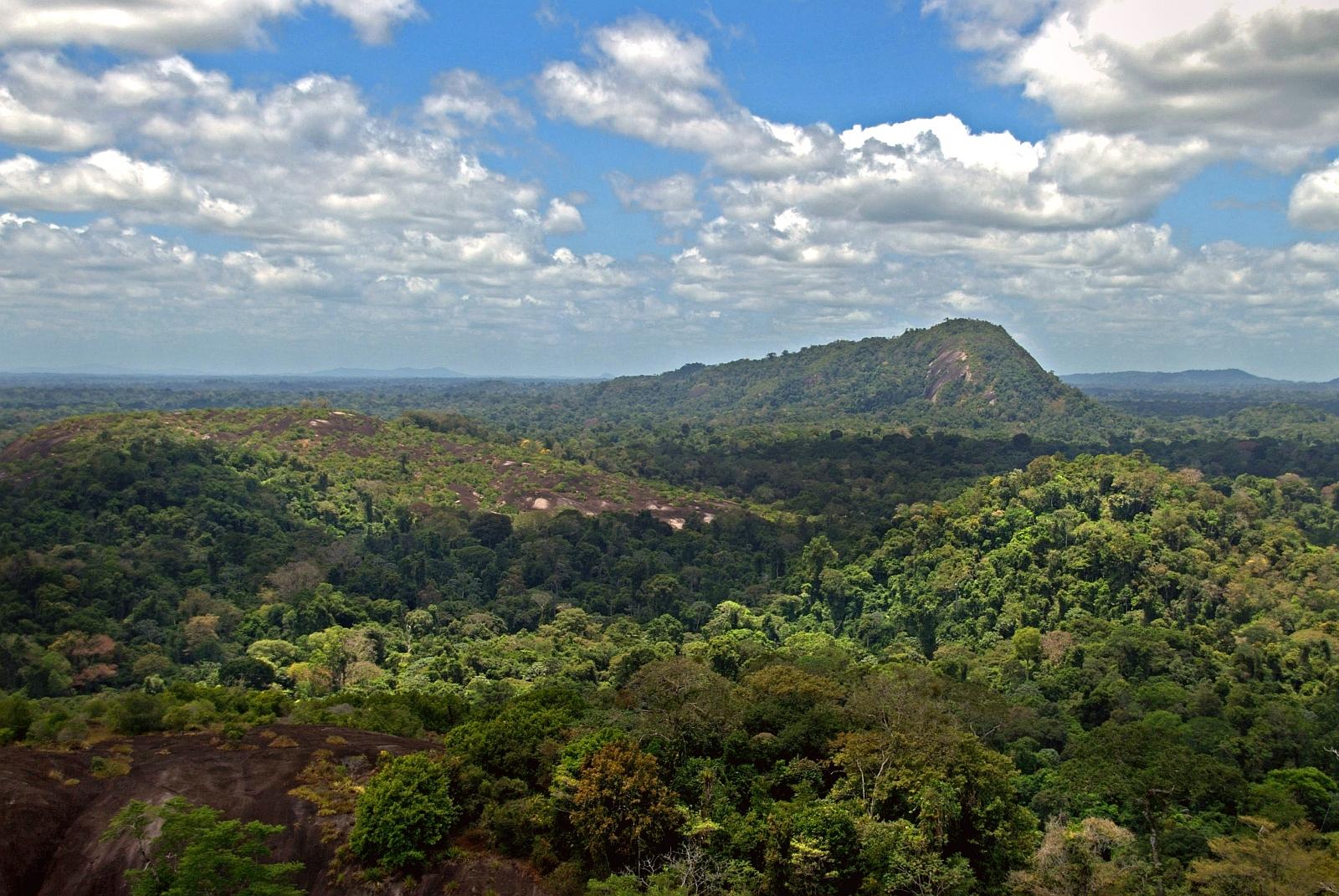
Suriname, a small nation on the northeastern coast of South America, is home to one of the largest tracts of pristine rainforest in the world. Covering over 90% of its territory, these lush forests are not just a backdrop to the country’s natural beauty; they are vital ecosystems that play a crucial role in the fight against climate change and the preservation of global biodiversity. As pressures from logging, mining, and agricultural expansion mount, the importance of Suriname’s forests extends far beyond its borders-affecting global carbon cycles, Indigenous livelihoods, and the planet’s rich array of flora and fauna. This article explores why the conservation of Suriname’s forests is imperative for environmental health and global sustainability, highlighting the interconnectedness of local actions and worldwide ecological well-being.
The Biodiversity Riches of Suriname’s Forests and Their Global Importance
Suriname’s forests, sprawling over roughly 93% of the country, are a treasure trove of biodiversity. These verdant landscapes host approximately 1,000 species of trees, 600 species of birds, and a plethora of other flora and fauna that play vital roles in their ecosystems. Not only are these forests home to fascinating creatures such as the Jaguar and the Goliath Beetle, but they also provide habitat for countless other species, many of which are yet to be discovered. This rich biodiversity contributes to the resilience of ecosystems, enabling them to withstand climate change and other environmental pressures. The intricate web of life in Suriname’s forests serves essential global functions, including carbon sequestration and oxygen production, which are crucial for our planet’s health.
The forests in Suriname also harbor unique indigenous cultures that depend on these ecosystems for their livelihoods. The sustainable practices of these communities, coupled with the incredible biodiversity, position the forests as a global carbon sink, helping combat climate change. Some of the most significant contributions of Suriname’s forests include:
- Carbon Sequestration: Absorbing millions of tons of CO2 annually.
- Medicinal Resources: Providing a source for untapped medicinal compounds.
- Watershed Protection: Regulating water cycles and maintaining soil health.
Understanding the global importance of Suriname’s forests is crucial, particularly in the context of conservation efforts. Protecting these forests is not just about preserving local wildlife; it is a commitment to safeguarding our collective future.
Impact of Deforestation on Climate Change and Local Communities
The relentless tide of deforestation poses significant threats, not just to the planet’s climate but also to the well-being of local communities. With each tree felled, we lose invaluable carbon sinks that play a crucial role in regulating temperature and mitigating the effects of climate change. The impacts ripple outward, leading to increased greenhouse gas emissions, shifts in weather patterns, and exacerbation of natural disasters such as floods and droughts. As forests diminish, the very fabric of local ecosystems unravels, disrupting the delicate balance necessary for maintaining biodiversity and overall environmental health.
Furthermore, the communities that depend on these forests for their livelihoods are left vulnerable and exposed. Forests provide essential resources, including food, medicine, and materials for shelter. The loss of tree cover often leads to economic instability, forcing locals to seek alternatives that may not be sustainable or equitable. In many cases, this results in a feedback loop, where environmental degradation further impoverishes communities, leading to increased pressure on remaining forested areas. As deforestation accelerates, the pivotal role of these ecosystems in safeguarding both our climate and the lives of those who inhabit and protect them cannot be overstated.
Strategies for Sustainable Development and Conservation in Suriname’s Forests
To ensure the longevity of Suriname’s forests, a multifaceted approach to sustainable development and conservation is essential. Collaboration among local communities, government agencies, and international organizations is crucial for crafting policies that prioritize environmental integrity. Key strategies include:
- Community Engagement: Involving indigenous populations in decision-making processes fosters sustainability while respecting cultural traditions and knowledge.
- Ecotourism Initiatives: Developing sustainable tourism that highlights Suriname’s unique biodiversity can generate revenue while promoting conservation efforts.
- Agroforestry Practices: Integrating agriculture and forestry can reduce deforestation and enhance food security, providing economic benefits to local populations.
- Reforestation Projects: Implementing reforestation programs to restore degraded areas and enhance ecosystem resilience is vital for maintaining biodiversity.
Governance plays a pivotal role in these strategies, requiring robust frameworks that curb illegal logging and promote responsible land management. Effective monitoring and enforcement mechanisms must be established to comply with national and international environmental standards. A joint effort from all stakeholders can pave the way for a sustainable future. A summary of effective governance initiatives includes:
| Governance Initiative | Description | Status |
|---|---|---|
| Forest Stewardship Council Certification | Encourages sustainable forest management | In Progress |
| Protected Areas Network | Designates regions as conservation zones | Implemented |
| Community Forest Management | Empowers local communities to manage resources | Ongoing |
Final Thoughts
In conclusion, Suriname’s forests represent not only a vital ecological resource but also a crucial component in the global fight against climate change. As one of the last remaining expanses of untouched rainforest, they serve as a sanctuary for biodiversity and a carbon sink that helps mitigate the effects of global warming. The implications of deforestation and environmental degradation in this region extend far beyond its borders, threatening the delicate balance of our planet’s ecosystems.
For global citizens and policymakers alike, the message is clear: protecting Suriname’s forests is imperative. Collaborative efforts to promote sustainable practices and empower local communities can safeguard these irreplaceable natural treasures for future generations. As we confront the pressing challenges of climate change, preserving the forests of Suriname is not merely an environmental necessity; it is a moral imperative that demands our collective attention and action.