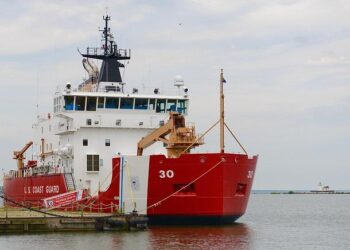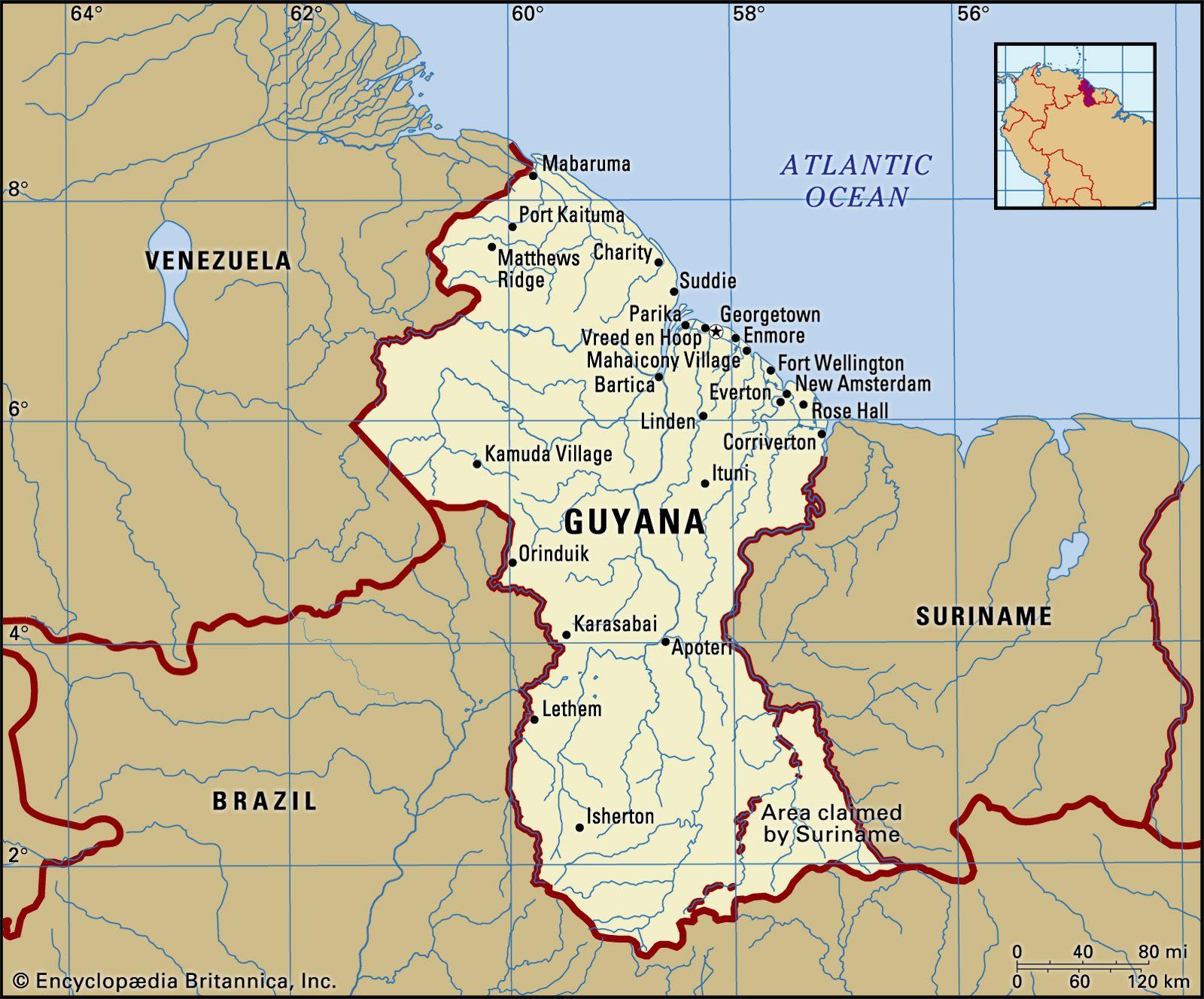
In a significant boost to the oil and gas sector in South America, Guyana and Suriname are poised to become key players in the global energy market, with projections indicating that nine Floating Production Storage and Offloading (FPSO) units will be operational by the end of the decade. This surge in offshore oil production is expected to not only transform the economies of these nations but also reshuffle the geopolitical dynamics of the region. As both countries continue to attract substantial foreign investment and advance their respective hydrocarbon explorations, industry experts are keenly observing the implications for energy supply chains, environmental concerns, and regional cooperation. This article delves into the potential transformations awaiting Guyana and Suriname, the operational capabilities of the upcoming FPSOs, and the broader impact on the South American energy landscape.
Guyana and Suriname’s Oil Boom: Harnessing the Potential of Nine FPSOs for Economic Growth
The strategic deployment of nine Floating Production Storage and Offloading (FPSO) units by the end of the decade stands to revolutionize the economies of both Guyana and Suriname. With substantial offshore oil reserves being tapped into, these units will serve as the backbone for increased production capabilities. Key benefits of this initiative include:
- Enhanced production efficiency, reducing downtime and maximizing output.
- The creation of thousands of jobs, stimulating local economies.
- Increased foreign investment, as global oil companies seek to capitalize on the region’s growing potential.
As the oil boom unfolds, a significant transformation in infrastructure and services can be anticipated. The governments of Guyana and Suriname are eager to leverage this momentum by investing in related sectors, including transportation, hospitality, and skilled labor training. This growth is poised to support sustainable economic diversification, with the potential to increase GDP and improve living standards across both nations. The table below outlines current FPSO deployments and their projected contributions:
| Country | Number of FPSOs | Projected Daily Output (Barrels) |
|---|---|---|
| Guyana | 6 | 1,800,000 |
| Suriname | 3 | 600,000 |
Strategic Partnerships and Infrastructure Development Essential for Sustainable FPSO Operations
As Guyana and Suriname prepare to bolster their economies with the anticipated rollout of nine Floating Production Storage and Offloading (FPSO) units by the end of the decade, the necessity for strategic partnerships has never been more pronounced. Key stakeholders, including governments, private investors, and local communities, must collaborate to ensure that the infrastructure supporting these FPSOs is both robust and sustainable. This involves not just the development of offshore facilities but also the enhancement of onshore infrastructure, including transportation networks, utilities, and workforce training programs. To achieve this, partnerships should focus on:
- Resource sharing: Leveraging combined expertise and technology to optimize production processes.
- Community engagement: Involving local communities in planning and decision-making to foster more equitable benefits.
- Sustainable practices: Committing to environmental protections and sustainable development to mitigate impacts.
Furthermore, successful implementation of FPSO operations is intricately linked to the development of supporting infrastructure that aligns with long-term economic goals. Policymakers must prioritize investments in essential services, such as energy supply and logistics, to facilitate efficient oil extraction and processing. By establishing comprehensive infrastructure plans that accommodate the scale of FPSO operations, both nations can ensure resilience against market fluctuations and environmental challenges. Below is a simplified overview of critical infrastructure elements that need attention:
| Infrastructure Component | Significance |
|---|---|
| Transportation Networks | Facilitates movement of goods and workforce. |
| Utilities | Ensures reliable energy and water supply for operations. |
| Training Facilities | Develops a skilled workforce tailored for the oil industry. |
Navigating Environmental Challenges: Balancing Oil Production with Ecological Preservation in the Region
The recent surge in oil production in Guyana and Suriname has brought both opportunities and challenges. As the region gears up to deploy nine Floating Production Storage and Offloading units (FPSOs) by the end of the decade, the balance between economic gain and environmental stewardship is more critical than ever. Stakeholders are urged to take a proactive approach to mitigate ecological impacts, ensuring that the expansion of drilling operations does not compromise biodiversity or the health of vital ecosystems. Key strategies include:
- Implementing stringent environmental regulations to monitor and manage oil extraction processes.
- Investing in renewable energy sources to reduce reliance on fossil fuels in the long term.
- Engaging local communities in decision-making to address their concerns and leverage indigenous knowledge.
Moreover, the economic boom expected from the oil sector could provide crucial funding for conservation initiatives. Incorporating a sustainable model could create a blueprint for future resource management across the region. To better illustrate the projected economic benefits against the potential environmental risks, the following table outlines the anticipated revenue generation alongside key ecological considerations:
| Year | Projected Oil Revenue (USD Billion) | Primary Ecological Risks |
|---|---|---|
| 2025 | 3.5 | Marine biodiversity loss |
| 2027 | 5.0 | Coastal erosion |
| 2029 | 7.0 | Pollution from runoff |
As the oil sector evolves, it must harmonize economic ambitions with ecological responsibility to ensure a future where both the environment and the economy can flourish together.
The Way Forward
As Guyana and Suriname continue to make significant strides in their oil and gas industries, the anticipation surrounding the deployment of nine Floating Production, Storage, and Offloading (FPSO) units by the end of the decade marks a pivotal moment for both nations. This development not only underscores the potential for economic growth and energy independence but also highlights the strategic importance of the Guyana-Suriname Basin in the global energy landscape. As the framework for sustainable development takes shape, stakeholders in both countries are poised to leverage these advancements, ensuring that the benefits of this burgeoning sector are felt widely. The next few years will be critical as the region navigates challenges and capitalizes on opportunities, cementing its position as a key player in the future of offshore oil production. The eyes of the world will undoubtedly be on Guyana and Suriname as they embark on this transformative journey.