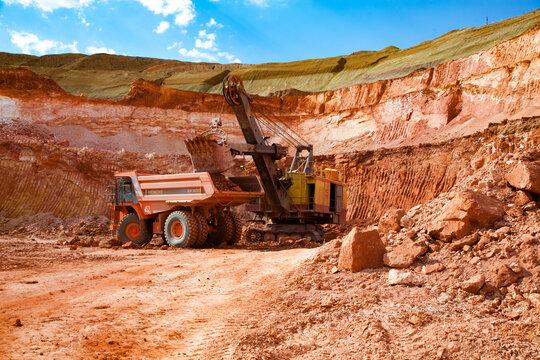
In Suriname, the announcement of a new bauxite mining project has sparked renewed debates over Indigenous land rights, raising concerns among local communities, environmental activists, and legal experts. The proposed mine, situated in a region rich in both natural resources and cultural heritage, threatens to overshadow the longstanding struggles of Indigenous peoples for recognition and respect of their ancestral territories. As the government and mining companies push forward with development plans, advocates argue that the rights of Indigenous communities must be prioritized in the face of economic promises. This unfolding situation not only highlights the complexities of resource extraction in ecologically sensitive areas but also serves as a critical reminder of the ongoing fight for land rights in the face of industrial advancement.
Indigenous Communities Mobilize Against Proposed Bauxite Mining in Suriname
In a powerful display of unity, Indigenous communities in Suriname are rallying against the proposed bauxite mining project that threatens their ancestral territories. Activists have raised concerns over potential environmental degradation, citing the critical role of the rainforest in sustaining local ecosystems and traditional ways of life. The proposed mining site, which spans thousands of hectares, is seen not only as a threat to biodiversity but also as an assault on the cultural heritage of Indigenous peoples, who argue that their rights to land and resources are being overlooked.
The burgeoning movement against the mining venture has drawn attention both locally and internationally, highlighting the ongoing struggle for Indigenous land rights. Community leaders are mobilizing to educate their members about the implications of the project, including the potential displacement of families and erosion of cultural practices. Key actions being undertaken include:
- Organizing community meetings: These gatherings aim to inform families about the risks and rally support for collective action.
- Collaborating with NGOs: Partners from around the globe are joining forces to amplify the communities’ voices.
- Legal advocacy: Indigenous leaders are exploring pathways to challenge the mining permits through legal channels.
Environmental Implications and Economic Promises: Weighing the Costs of Mining
The development of the bauxite mine in Suriname presents a complex intersection of economic potential and environmental stewardship. Proponents of the project argue that it could significantly boost the local economy through job creation and increased revenue streams, highlighting points such as:
- Job Opportunities: The mine is expected to create hundreds of direct and indirect jobs.
- Infrastructure Development: Improved transportation and utilities can benefit local communities.
- Foreign Investment: Attracting international capital, essential for economic growth.
However, these economic promises come at a considerable environmental cost that raises alarms among conservationists and Indigenous communities. Concerns include the potential for:
- Deforestation: Clearing vast tracts of rainforest which are vital for biodiversity.
- Water Pollution: Risk of toxins leaching into local water supplies, affecting health and agriculture.
- Displacement of Communities: Indigenous land claims are at stake, risking centuries of cultural heritage.
| Economic Benefits | Environmental Costs |
|---|---|
| Increased employment rates | Habitat destruction |
| Growth in local businesses | Soil erosion and degradation |
| Boost in tax revenues | Threat to endemic species |
Policy Recommendations for Protecting Indigenous Land Rights in Suriname
To ensure the protection of Indigenous land rights in Suriname, a multi-faceted approach is essential, incorporating legal, social, and environmental considerations. Key recommendations include:
- Strengthening Legal Frameworks: Amend existing laws to explicitly recognize and protect Indigenous land rights, ensuring compliance with international standards such as the UN Declaration on the Rights of Indigenous Peoples.
- Inclusive Consultation Processes: Mandate genuine consultation with Indigenous communities before any resource development projects, ensuring their voices are integral to decision-making.
- Land Titling: Expedite the process of land titling for Indigenous territories to secure ownership and prevent encroachment by mining operations.
In addition to these foundational measures, fostering partnerships between the government, Indigenous communities, and civil society can enhance advocacy efforts and monitoring of land rights. Implementing community-led initiatives aimed at:
- Capacity Building: Provide training for Indigenous leaders in legal rights, negotiation skills, and environmental management.
- Environmental Sustainability: Promote sustainable land-use practices that respect Indigenous knowledge and biodiversity conservation, creating alternative livelihoods that do not compromise Indigenous territories.
- Monitoring and Advocacy: Establish independent monitoring bodies to oversee compliance with land rights and solicit public support for Indigenous land claims.
| Action Item | Description |
|---|---|
| Legal Amendments | Revise laws for clear recognition of Indigenous rights. |
| Consultation Frameworks | Ensure participatory processes in mining project discussions. |
| Community Training | Equip Indigenous leaders with skills for advocacy. |
In Summary
As the plans for a new bauxite mine in Suriname unfold, the dialogue surrounding Indigenous land rights takes center stage once again. The tensions between development and conservation, corporate interests and community rights, echo the broader global challenge of balancing economic growth with environmental stewardship and social justice. Indigenous groups are mobilizing to assert their claims and safeguard their ancestral territories, highlighting the urgent need for policies that recognize and protect their rights. As controversies regarding land use and environmental impact continue to emerge, the future of both the mine and the Indigenous communities hangs in the balance. Stakeholders from all sides must navigate this intricate landscape with care, as the outcomes will undoubtedly shape regional dynamics for years to come. The story of Suriname’s bauxite mine is not just about minerals; it is a critical chapter in the ongoing struggle for Indigenous sovereignty and environmental integrity.