
Suriname, China, and the New Cold War: A Geopolitical Nexus
In the intricate web of global geopolitics, the rise of China as a formidable economic and military power has reshaped alliances and rivalries, leading to what many analysts describe as a “New Cold War.” At the forefront of this evolving landscape is Suriname, a small South American nation that has recently found itself at the crossroads of competing interests. With China’s growing influence in the region, Suriname’s strategic location and vast natural resources have attracted attention from the global superpower, sparking both opportunities and concerns among its neighbors and allies. This article delves into the complexities of Suriname’s relationship with China, examining the implications for regional stability, economic development, and international diplomacy amidst the backdrop of a rejuvenated great power rivalry. As the stakes rise, the actions of Suriname may serve as a bellwether for the broader implications of this new era in global politics, highlighting the tensions and possibilities that lie ahead.
Suriname’s Strategic Position in China’s Belt and Road Initiative
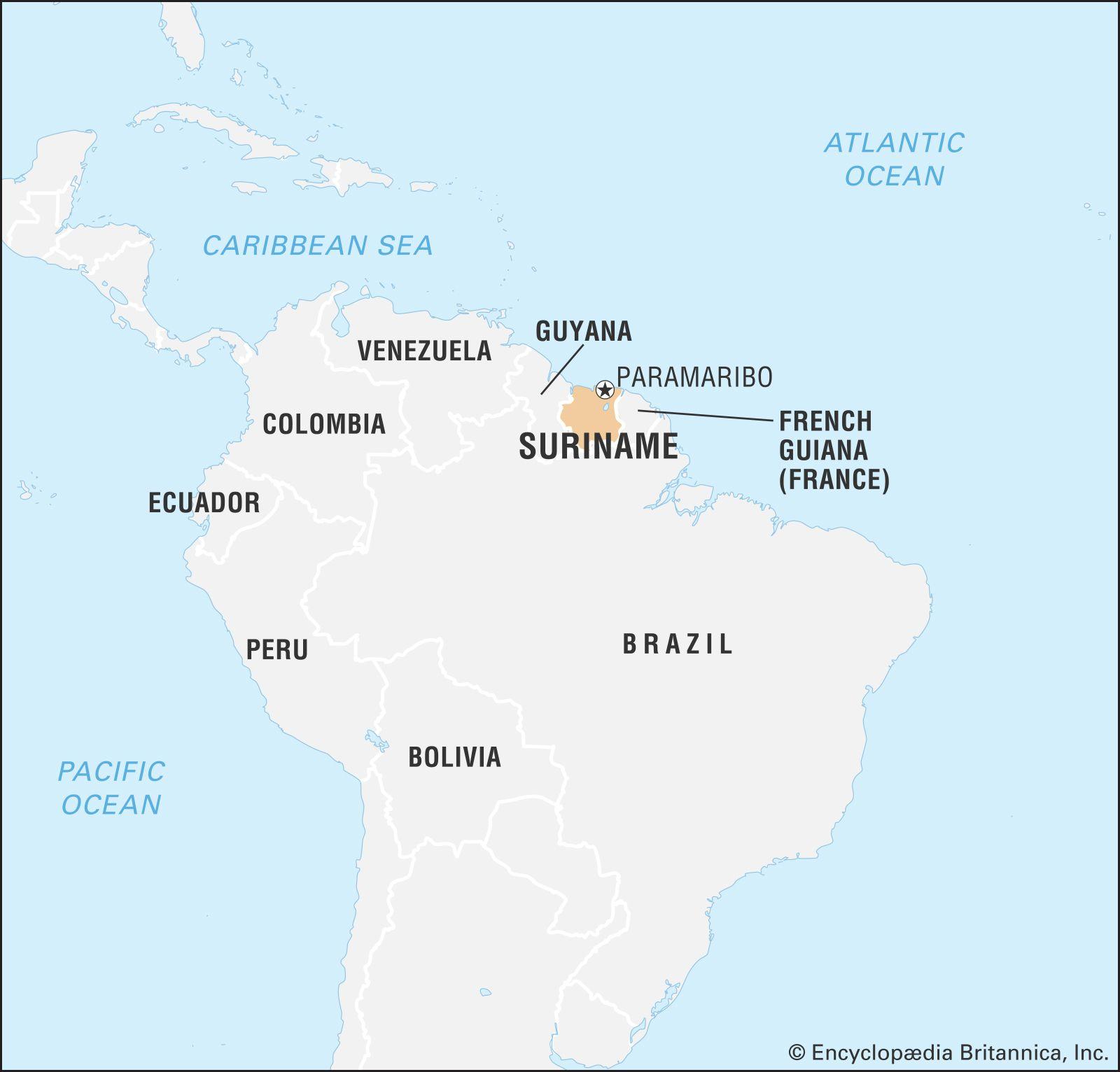
As part of China’s expansive Belt and Road Initiative (BRI), Suriname finds itself at the crossroads of an emerging geopolitical landscape, offering both opportunities and challenges. Nestled in the northeastern corner of South America, Suriname’s rich natural resources, particularly gold and bauxite, attract Chinese investments eager to secure and develop vital supply lines. The BRI aims to enhance connectivity between Asia, Europe, and Africa, and through partnerships with countries like Suriname, China seeks to solidify its influence in the region. The strategic location of Suriname enables it to serve as a gateway for China not only to South America but also to the broader Caribbean market.
However, this relationship is not without complexity. Suriname’s alignment with Chinese investments may lead to a range of domestic and international implications, including concerns over sovereignty and debt sustainability. Critics argue that reliance on China could trap Suriname in a cycle of debt dependency, raising questions about the long-term benefits of such partnerships. Key considerations include:
- Infrastructure development: Improved road and port facilities can facilitate trade.
- Resource exploitation: Greater investment in mining can boost the economy.
- Cultural influence: Increased Chinese presence may shift local dynamics.
- Environmental impact: Concerns over ecological degradation linked to mining activities.
Geopolitical Tensions: The Implications for U.S. Interests in South America
The recent increase in geopolitical tensions across the globe has significant implications for U.S. interests in South America, particularly in countries like Suriname. As China deepens its economic and strategic ties in the region, the landscape of influence is shifting. This trend is emblematic of a broader struggle for dominance that mirrors the historical narratives of the Cold War. American interests must contend with a multifaceted approach from China, which is utilizing a combination of infrastructure investments, trade agreements, and diplomatic overtures to establish a foothold in this resource-rich area.
Key areas of concern for the United States include:
- Resource Control: Suriname is endowed with valuable natural resources, including gold and bauxite, making it an attractive target for foreign investment, particularly from China.
- Strategic Partnerships: China’s deepening relationships with Suriname can undermine traditional U.S. alliances and influence in the region.
- Security Risks: Increased Chinese involvement may introduce new security challenges for the U.S., as ideological and military alignments shift.
| Aspect | U.S. Interest | Chinese Influence |
|---|---|---|
| Trade | Maintaining access to markets | Expanding trade routes and partnerships |
| Investment | Pursuing energy and resource deals | Funding infrastructure projects |
| Diplomacy | Strengthening regional alliances | Offering loans and economic incentives |
Strengthening Diplomatic Ties: Recommendations for U.S. Engagement in Suriname
To foster stronger diplomatic ties with Suriname, the U.S. must adopt a multifaceted approach that goes beyond traditional diplomacy. Engaging in economic partnerships is vital, as these can stimulate local growth and strengthen mutual interests. Initiating programs that emphasize sustainable development will showcase U.S. commitment to environmental stewardship and economic resilience. Key initiatives could include:
- Collaborating on infrastructure development that aligns with Suriname’s growth strategies.
- Investing in renewable energy projects to promote energy independence and sustainability.
- Facilitating educational exchanges and scholarship programs to foster people-to-people connections.
In addition, the U.S. should enhance its diplomatic presence in Suriname, utilizing the strengths of multilateral organizations. By actively participating in regional forums such as the Caribbean Community (CARICOM) and Organization of American States (OAS), the U.S. can help address regional challenges and promote democratic governance. This proactive stance should include:
- Offering technical assistance for improving local governance and resilience against external pressures.
- Encouraging trade agreements that benefit both nations and counterbalance external influences.
- Strengthening security cooperation to combat transnational crime and ensure regional stability.
Insights and Conclusions
As the geopolitical landscape continues to shift in the wake of renewed tensions between global powers, the relationship between Suriname and China emerges as a pivotal factor in the broader narrative of the New Cold War. This small South American nation, rich in natural resources and strategic opportunity, finds itself at a crossroads, balancing its historical ties and aspirations against the backdrop of external influences.
The dynamics of Suriname’s alliance with China exemplify the intricate web of cooperation and competition defining this era. As both nations pursue their respective national interests, observers must remain vigilant to the implications of these partnerships, not only for regional stability but also for the larger international order.
In conclusion, the interplay between Suriname and China is more than a bilateral affair; it is a microcosm of the greater ideological and strategic battles unfolding across the globe. Understanding this relationship will be essential for policymakers and analysts alike as they navigate the complexities of the New Cold War, striving to anticipate the shifting tides of power, influence, and diplomacy in the 21st century.











