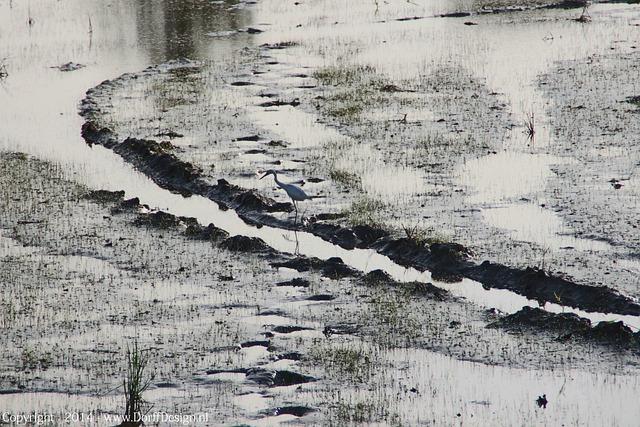
In the lush, yet precariously low-lying landscape of Suriname, the relentless advance of rising seas is becoming an all-too-familiar sight. Each day, local residents witness the gradual erosion of their coastal land – a poignant reminder of the broader climate crisis impacting communities across the globe. As wave action intensifies and extreme weather events become more frequent, Suriname faces a daunting battle to protect its territory and livelihoods. In this article, we delve into the ongoing struggle to keep the ocean at bay, highlighting the personal stories of those affected and the urgent measures being undertaken by the government and environmental advocates in a race against time.
Suriname Faces Climate Crisis as Coastal Erosion Accelerates
In the small South American nation, the relentless advance of the sea is reshaping the coastline and threatening communities, livelihoods, and ecosystems. Coastal erosion here is not just a phenomenon of nature; it is a pressing crisis exacerbated by climate change and rising sea levels. Locals report witnessing their land gradually succumbing to the waves, a stark reminder of the fragile balance between land and water. Fishermen, farmers, and families are grappling with the constant anxiety of losing their homes and resources to the ocean. The government is scrambling to implement solutions, yet the scale of the problem seems daunting.
To address the escalating threat, efforts are focused on various strategies, including:
- Constructing Sea Walls: Reinforcing the coast with barriers to slow the erosion.
- Restoring Mangroves: Replanting these natural buffers that can absorb wave energy.
- Community Awareness Programs: Educating locals about climate adaptation and resilience.
- Collaboration with Scientists: Partnering with researchers to monitor coastal changes and forecast future impacts.
Despite these initiatives, funding remains a significant hurdle. Many projects rely on international assistance, yet with climate change affecting countries worldwide, resources are limited. The following table highlights recent funding efforts and their intended outcomes:
| Funding Source | Amount (USD) | Focus Area |
|---|---|---|
| Green Climate Fund | 2 million | Mangrove Restoration |
| World Bank | 5 million | Coastal Infrastructure |
| UN Environment Program | 1.5 million | Community Education |
The situation demands not only immediate attention but also sustained commitment to ensure that the coastal communities of Suriname can withstand the waves of change facing them. As the land vanishes, stories of despair and resilience intertwine, with the future of Suriname hanging precariously between water and land.
Local Communities Adapt to Rising Waters Through Innovative Solutions
In the face of escalating sea levels, local communities in Suriname are deploying innovative measures to safeguard their land and livelihoods. With many neighborhoods witnessing land gradually succumb to tidal encroachments, residents are transforming their survival strategies. Among these adaptive solutions are:
- Natural Barriers: The construction of mangrove forests to act as buffer zones, helping to absorb wave energy and prevent erosion.
- Elevated Infrastructure: New buildings and roads are being constructed on raised platforms, allowing them to withstand flooding.
- Water Management Systems: Implementation of advanced drainage and irrigation systems that efficiently manage rainwater and prevent localized flooding.
Collaborative efforts between local governments and NGOs are also pivotal. Community workshops empower residents with knowledge on sustainable practices and disaster preparedness. The following table highlights key initiatives being undertaken:
| Initiative | Description | Status |
|---|---|---|
| Mangrove Restoration | Planting native mangrove species to fortify coastlines. | In Progress |
| Raise the Roof | Elevating public buildings and homes to combat flooding. | Completed |
| Community Education | Workshops focusing on climate resilience and adaptation strategies. | Ongoing |
Government and International Stakeholders Urged to Prioritize Sustainable Coastal Defenses
In the ongoing struggle against rising sea levels and coastal erosion, Suriname’s plight serves as a stark reminder of the urgent need for comprehensive protection measures. Coastal communities are witnessing the unsettling disappearance of land, leading to increased vulnerability to flooding and habitat loss. Local experts emphasize that government action must align with the latest scientific research and environmental assessments to develop effective, long-term strategies. By investing in sustainable infrastructure, such as natural barriers and enhanced drainage systems, authorities can better safeguard vulnerable areas and the livelihoods dependent on them.
International collaboration is also paramount in addressing these pressing environmental challenges. Global stakeholders, including NGOs and environmental organizations, should focus on sharing best practices and innovative technologies that can bolster coastal defenses. Key action points include:
- Funding for research on adaptive technologies and conservation methods
- Data sharing to identify high-risk areas and implement timely interventions
- Public awareness campaigns to educate communities about sustainable practices
Moreover, establishing a framework for cross-border cooperation will enhance regional resilience against climate change impacts. Collaborative efforts could lead to the development of integrated coastal zone management strategies, ensuring that nations work collectively to protect shared marine ecosystems.
Final Thoughts
As Suriname grapples with the stark realities of climate change and rising sea levels, the ongoing battle to protect its fragile coastline underscores the urgent need for both local and global action. The stories of communities witnessing the gradual erosion of their homeland serve as a poignant reminder of the vulnerabilities that many coastal nations face. With innovative solutions and international cooperation paramount, Suriname’s plight is a call to arms for policymakers and environmental advocates alike. As we reflect on the challenges ahead, the resilience of the Surinamese people shines through, highlighting their determination to safeguard their land for future generations. Addressing these issues not only requires immediate attention but also a commitment to sustainable practices that can help restore and protect the ecosystems upon which countless lives depend. As the sun sets over the Surinamese coast, one thing remains clear: the fight against the sea’s encroachment is far from over.