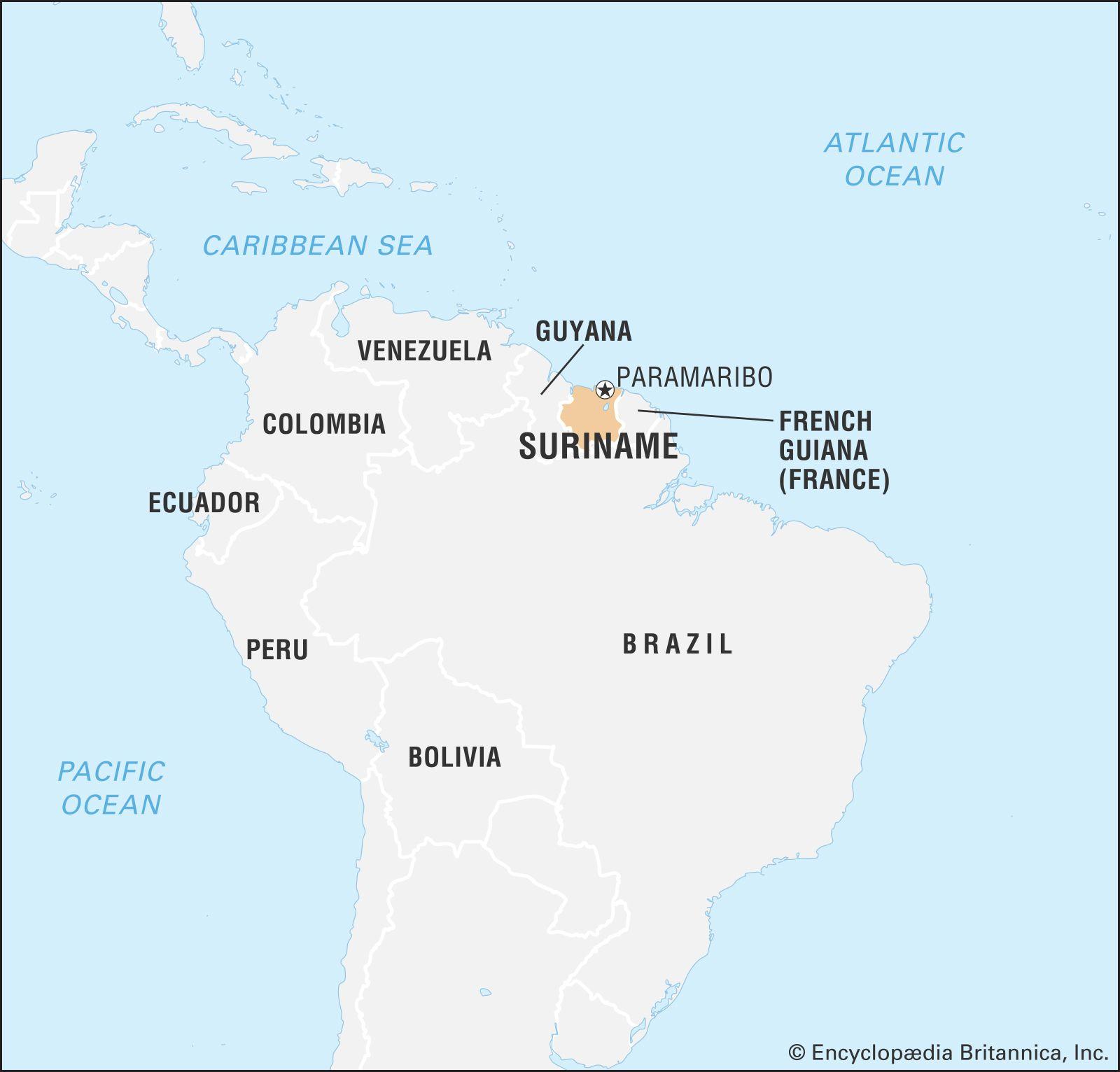
In a groundbreaking development for the small South American nation of Suriname, recent discoveries of significant oil reserves are set to transform the country’s economic landscape. With major international oil companies now turning their attention to Suriname’s offshore basins, experts predict a substantial cash inflow that could alleviate poverty and stimulate growth. As the nation prepares for the influx of capital, questions arise about how these newfound resources will be managed and what implications they hold for Suriname’s future. This article delves into the potential impacts of the oil discoveries, the response from local authorities, and the broader significance for Suriname on the global energy stage.
Suriname’s Oil Discovery Set to Transform Economic Landscape
Suriname’s recent discovery of extensive oil reserves is poised to usher in a new era of economic growth and opportunity for the nation. With estimates suggesting the potential to unlock billions of barrels of crude, the implications for the country’s GDP are significant. The government is actively pursuing strategies to leverage this newfound wealth, which include:
- Foreign Investment: Attracting multinational oil companies to boost local expertise and capital infusion.
- Infrastructure Development: Enhancing transportation and logistics networks to facilitate extraction and export.
- Job Creation: Generating employment opportunities in both the oil sector and various ancillary industries.
Furthermore, this discovery positions Suriname in a competitive spot within the international oil market. As global demand for energy resources escalates, the country is preparing to negotiate favorable terms in agreements, ensuring that the economic advantages benefit its citizens. A well-structured fiscal approach will be essential to manage the influx of revenue responsibly. The following table provides an overview of projected benefits from the oil discovery:
| Projected Benefits | Estimated Value |
|---|---|
| Increased GDP Growth | $1.5 billion per annum |
| New Jobs Created | 10,000+ |
| Foreign Investment Influx | $3 billion over 5 years |
Implications for Local Communities and Environmental Considerations
The recent discovery of oil reserves in Suriname has introduced a complex array of considerations for local communities and environmental stewardship. As revenue streams are anticipated to grow, it raises fundamental questions about prioritizing the well-being of indigenous populations and ecological balance. Local communities stand to gain economically, but there are risks that must be addressed, including:
- Displacement: The potential relocation of communities to accommodate mining operations.
- Resource Allocation: The need for transparent management of oil profits to benefit local residents.
- Social Dynamics: Changes in community structures and possible cultural erosion due to influx of workers.
Environmental considerations are equally pressing, given Suriname’s rich biodiversity. The government’s challenge lies in balancing economic gains with ecological preservation. Key risks include:
- Deforestation: Expansion of drilling sites can lead to habitat loss.
- Pollution: Potential leaks or spills that threaten marine and terrestrial ecosystems.
- Climate Impact: Increased fossil fuel reliance contributing to global warming.
To illustrate these concerns, the table below summarizes potential benefits and risks related to the new oil finds:
| Benefits | Risks |
|---|---|
| Economic growth and job creation | Environmental degradation |
| Increased infrastructure development | Community displacement |
| Access to modern services | Social inequality and unrest |
Strategic Recommendations for Sustainable Development and Investment
To maximize the opportunities presented by the recent oil discovery, Suriname must embrace a holistic approach to economic growth, prioritizing sustainable practices while ensuring equitable wealth distribution. Key strategies should include:
- Investment in Renewable Energy: Diversifying energy sources to reduce dependency on fossil fuels and promote long-term environmental goals.
- Community Engagement: Involving local communities in decision-making processes related to resource management, thus enhancing trust and support.
- Transparent Governance: Implementing regulations that ensure transparency in contracts and revenues generated from oil, fostering public accountability.
Additionally, Suriname should consider establishing strategic partnerships with international organizations and investors that prioritize sustainability. This includes focusing on:
| Partnership Focus | Potential Benefits |
|---|---|
| Climate Financing | Access to funds for green projects |
| Technology Transfer | Adoption of clean tech solutions |
| Sustainable Agriculture | Enhancing food security and local economies |
Efforts to integrate these strategic recommendations can position Suriname as a leader in the region for sustainable development, attracting responsible investment while prioritizing the well-being of its citizens and natural resources.
Key Takeaways
In conclusion, Suriname stands at the brink of a transformative economic opportunity with the recent discovery of substantial oil reserves. This newfound resource has the potential to significantly bolster the country’s financial landscape, attracting foreign investment and fostering job creation. As the government outlines its strategies for harnessing this wealth, the focus will be on ensuring that the benefits reach the wider population while maintaining environmental sustainability. The international community will undoubtedly be watching closely as Suriname navigates this pivotal moment in its economic development. With the right policies in place, the country could chart a course towards prosperity, setting a precedent for resource-rich nations in similar circumstances. Only time will reveal the full impact of this discovery, but for now, the outlook appears promising as Suriname prepares to usher in a new era of economic growth.