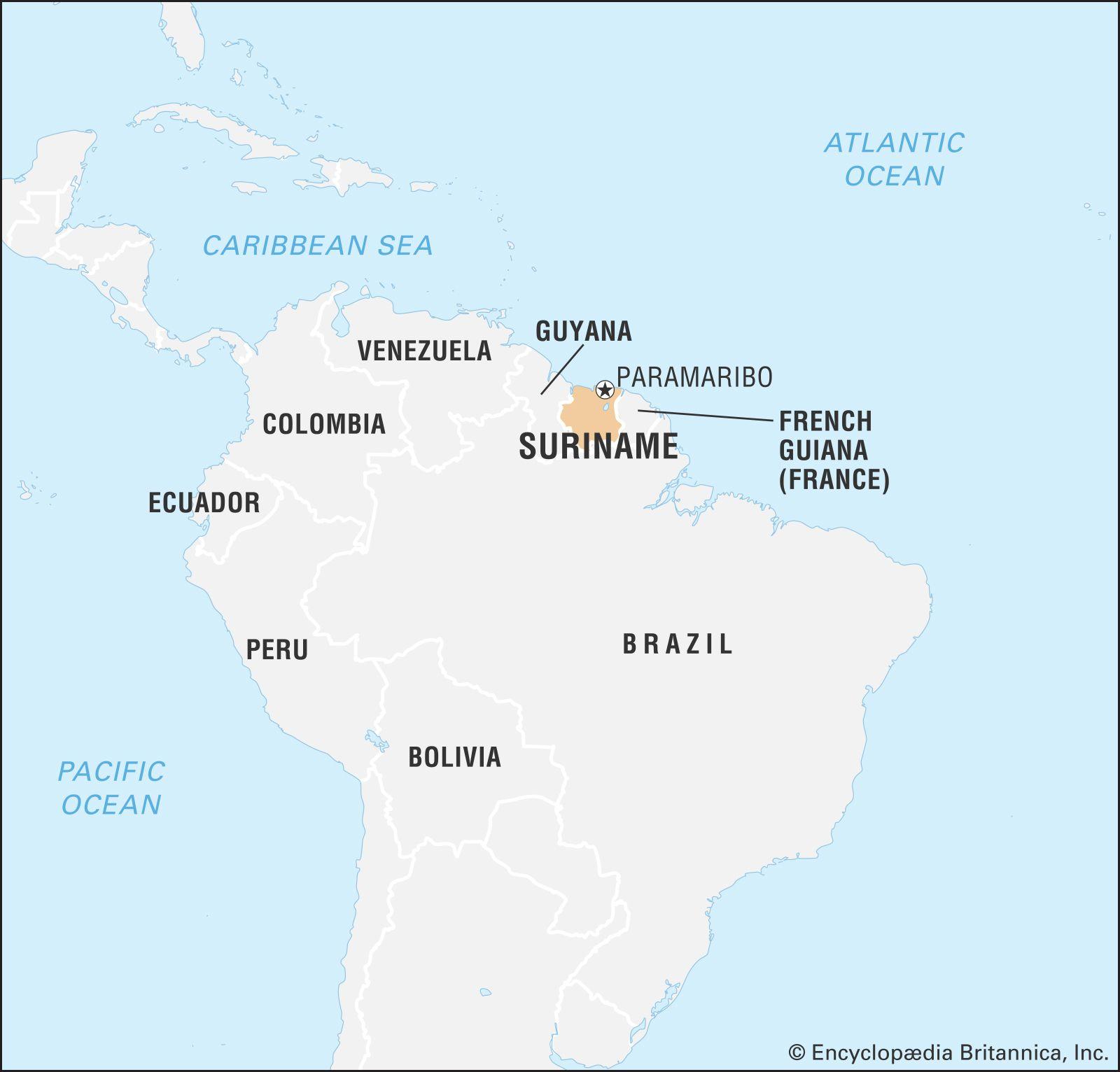
As Suriname stands on the brink of a potential economic transformation, the small South American nation is capturing global attention with its burgeoning natural resources, particularly in oil and gold. Recent discoveries have sparked discussions about the country’s ascendance to one of the richest nations on Earth, with estimates suggesting significant revenue influxes that could rival those of established wealthier nations. However, as the promise of affluence looms, questions arise regarding Suriname’s preparedness to embrace this newfound prosperity. From infrastructural challenges to governance and social equity, the path ahead is fraught with both opportunity and peril. In this article, we delve into the factors that position Suriname on the precipice of wealth and explore whether the nation is equipped to navigate the complexities of its impending economic boom.
Suriname’s Untapped Resources and the Path to Prosperity
Suriname stands on the brink of transformation, equipped with vast natural resources that remain largely unexploited. As global demand for minerals and energy sources continues to surge, this small South American nation holds immense potential in its rich deposits of gold, bauxite, oil, and natural gas. Recent explorations have uncovered substantial reserves that could elevate Suriname’s economy dramatically, but unlocking this potential requires strategic investment, infrastructural development, and sustainable practices. Currently, the lack of a robust framework to manage and benefit from these resources poses a significant challenge. Suriname needs to prioritize the establishment of transparent policies and regulatory bodies that can effectively oversee resource extraction while safeguarding the environment and local communities.
Moreover, the path to prosperity involves embracing partnerships with international stakeholders and leveraging technology to improve efficiency in resource management. By adopting innovative extraction techniques and investing in human capital, Suriname can build a skilled workforce that enhances productivity and ensures long-term economic stability. Key factors to consider include:
- Infrastructure Development: Improving transportation and energy infrastructure to support resource extraction.
- Public-Private Partnerships: Collaborating with foreign investors to spur economic growth.
- Environmental Stewardship: Implementing sustainable practices to protect biodiversity and combat climate change.
- Local Empowerment: Ensuring that communities benefit from resource development through job creation and educational initiatives.
As Suriname navigates this critical juncture, its approach will determine whether the nation capitalizes on its untapped wealth or falls victim to the resource curse. A proactive stance that combines thorough planning with community engagement could position Suriname as a leading player on the global stage, ushering in an era of prosperity that benefits all its citizens.
Assessing Infrastructure and Human Capital for Economic Transformation
As Suriname stands on the brink of economic transformation, evaluating its existing infrastructure and human capital becomes paramount. The nation possesses rich natural resources, but to capitalize on these assets, it requires a robust framework that supports sustainable development. Essential aspects of this infrastructure assessment include:
- Transportation Networks: Modernizing roads and ports to facilitate trade.
- Energy Supply: Expanding and diversifying energy sources to meet demand.
- Telecommunications: Ensuring widespread access to digital services for businesses and residents.
Meanwhile, the enhancement of human capital is equally critical. A well-educated workforce equipped with diverse skill sets will be essential in attracting foreign investment and fostering local entrepreneurship. The key elements to focus on are:
- Education Systems: Reforming curriculums to meet industry needs.
- Vocational Training: Implementing programs that offer practical skills for various sectors.
- Healthcare Access: Ensuring a healthy workforce through improved public health initiatives.
| Focus Area | Current State | Needed Improvements |
|---|---|---|
| Transportation | Underdeveloped | Investment in roads and ports |
| Education | Limited access | Curriculum reform and training |
| Healthcare | Poor quality | Increased healthcare funding |
Strategic Investments and Sustainable Development: Preparing for Wealth Generation
As Suriname stands on the brink of a transformative economic period, the significance of strategic investments in infrastructure, education, and sustainable practices cannot be overstated. The nation is witnessing an influx of foreign interest, particularly in the mining and energy sectors, which promises to reshape its economic landscape. To capitalize on these opportunities, it is crucial for the government and private sector to identify key areas for investment that prioritize long-term growth while safeguarding the environment. Potential pathways include:
- Green Energy Projects: Investing in renewable energy sources such as solar and hydroelectric power to reduce carbon footprints.
- Education and Workforce Training: Developing programs that equip the local workforce with skills needed in emerging industries.
- Infrastructure Development: Enhancing transportation and communication networks to facilitate trade and accessibility.
Moreover, embracing sustainable development principles will not only attract responsible investors but also ensure that wealth generated from natural resources translates into improved quality of life for all Surinamese. A forward-thinking approach could include establishing a national fund to manage resource revenues, aimed at reinvesting in community-driven projects. The chart below illustrates the projected impacts of sustainable investments on Suriname’s economy:
| Investment Area | Projected Economic Impact (%) | Social Benefits |
|---|---|---|
| Green Energy | 15 | Job Creation, Energy Security |
| Education | 10 | Reduced Unemployment, Skill Development |
| Infrastructure | 20 | Improved Connectivity, Enhanced Trade |
The Conclusion
As Suriname stands on the precipice of unprecedented economic transformation, the potential for it to emerge as one of the wealthiest nations on the globe is both exhilarating and daunting. With vast natural resources, particularly in oil and gold, the country has a unique opportunity to leverage its assets for national growth and prosperity. However, this potential comes with significant challenges that must be addressed to ensure sustainable development and equitable benefits for all citizens.
The question remains: Is Suriname prepared to navigate this critical juncture in its history? Effective governance, robust infrastructure, and strategic investment in human capital will be essential in shaping a future that avoids the pitfalls often associated with resource-rich nations. As the world watches, it is imperative that Suriname approaches this opportunity with foresight and determination, fostering an environment that not only encourages economic growth but also champions social stability and environmental sustainability.
In the coming months and years, the actions taken by Suriname’s leadership and its people will determine whether the promise of wealth translates into lasting prosperity. The global spotlight is on Suriname-how it responds could redefine its trajectory for generations to come. The time for careful planning and conscientious decision-making is now; the stakes have never been higher.