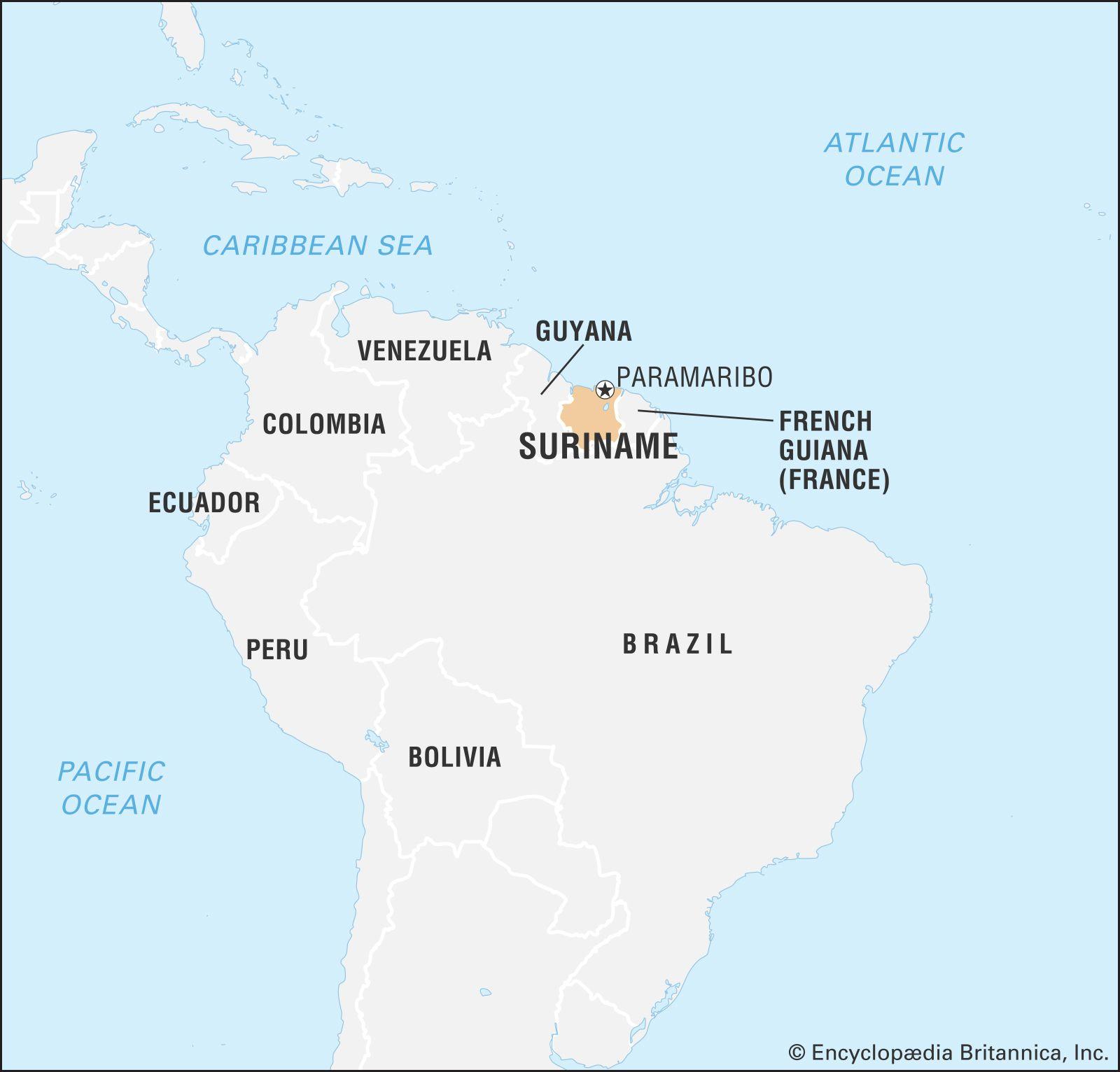
In a pivotal gathering that underscores the urgency of environmental protection in South America, representatives from Suriname and Ecuador convened for a landmark meeting aimed at defending the living Amazon. This significant event, organized by Amazon Frontlines, has drawn attention to the rich biodiversity and critical ecological importance of the Amazon rainforest, as well as the pressing threats it faces from industrial expansion, deforestation, and climate change. As indigenous leaders, environmentalists, and policymakers come together to forge collaborative strategies, the meeting highlights not only the interconnectedness of the Amazonian regions but also the shared responsibility to safeguard this vital ecosystem for future generations. Amidst escalating environmental challenges, the forum serves as a rallying point for collective action and strategic alliances, demonstrating an unwavering commitment to preserving one of the planet’s most essential natural treasures.
Strategies for Strengthening Indigenous Rights in the Amazon
In the wake of rising threats to Indigenous territories across the Amazon, multiple stakeholders are advocating for innovative strategies that fortify Indigenous rights and assert their roles as guardians of the rainforest. Collective Action remains a cornerstone approach, where Indigenous communities are encouraged to unify their voices, forming coalitions that amplify their demands at local, national, and international levels. This can be supported by utilizing digital platforms to share success stories, challenges, and advocacy campaigns, thereby galvanizing wider support for their cause. Furthermore, legal empowerment is vital, equipping these communities with the resources and knowledge necessary to navigate complex land rights laws and challenge encroachments on their lands through judicial systems.
Education and Awareness initiatives play critical roles in empowering Indigenous peoples and the surrounding populations. Knowledge-sharing about the cultural importance of the Amazon and its ecosystems can resonate beyond Indigenous groups, fostering solidarity among diverse groups. Additionally, tactics such as community-based resource management allow Indigenous communities to actively participate in the conservation and sustainable use of their natural resources, thus reinforcing their connection and stewardship over the land. By embracing these strategies, communities from Suriname to Ecuador can not only safeguard their rights but also protect the vibrant tapestry of life that is the Amazon rainforest.
Collaborative Efforts to Combat Deforestation in Suriname and Ecuador
In a significant stride towards harmony and sustainability, representatives from Suriname and Ecuador convened to fortify their commitment to preserving the Amazon rainforest. This collaborative meeting offered a platform for discussing innovative strategies to tackle the escalating issue of deforestation, which threatens not only biodiversity but the indigenous communities that depend on these forests. Key points of discussion included:
- Shared Resources: Participants emphasized the need for cross-border initiatives that promote sustainable land management.
- Technological Innovations: The integration of satellite monitoring to track deforestation rates and illegal logging activities was highlighted.
- Community Involvement: Engaging local populations in conservation efforts to ensure that their voices and needs are prioritized.
The meeting culminated in a commitment to establish a bi-national task force that would oversee the implementation of these strategies. As a part of this initiative, both countries aim to create a data-sharing platform to enhance transparency in environmental management. The table below outlines the mutual goals set by the representatives:
| Goal | Description |
|---|---|
| Reduce Deforestation Rate | Implement measures to lower deforestation by 30% over the next five years. |
| Protect Indigenous Rights | Enforce policies that ensure the land rights of indigenous peoples are respected. |
| Promote Eco-Tourism | Develop eco-tourism initiatives that benefit local communities while preserving natural habitats. |
Key Recommendations for Sustainable Development and Environmental Preservation
To ensure the sustainability of the Amazon rainforest, it is imperative to adopt a set of comprehensive strategies aimed at fostering environmental integrity and enhancing local community rights. Key recommendations include:
- Strengthening Indigenous Rights: Recognize and protect the land rights of Indigenous communities, as they play a crucial role in conservation efforts.
- Implementing Legal Frameworks: Develop and enforce legal measures that penalize illegal logging, mining, and land conversion.
- Promoting Eco-friendly Practices: Encourage sustainable agricultural practices that enhance biodiversity while supporting local economies.
- Investing in Education and Awareness: Raise awareness about the importance of rainforest conservation among local populations and stakeholders.
- Fostering Regional Cooperation: Encourage collaboration between countries sharing the Amazon basin to address transboundary environmental issues effectively.
Moreover, partnerships between governments, NGOs, and the private sector can be pivotal in driving innovative solutions for environmental preservation. A focus on renewable energy sources can reduce dependency on fossil fuels, lowering the carbon footprint of surrounding communities. The table below outlines potential initiatives to promote sustainable development:
| Initiative | Description | Expected Outcome |
|---|---|---|
| Community Forestry | Empower local communities to manage forest resources sustainably. | Enhancement of biodiversity and forest health. |
| Agroforestry Projects | Integrate trees and shrubs into agricultural landscapes. | Improved soil quality and crop yields. |
| Wildlife Conservation Programs | Protect endangered species through habitat preservation. | Increased biodiversity and ecosystem resilience. |
Wrapping Up
In a significant convergence of voices and actions, the recent meeting addressing the plight of the Amazon rainforest reaffirmed the critical role of solidarity among nations in defending this vital ecosystem. As representatives from Suriname, Ecuador, and environmental organizations like Amazon Frontlines gathered to discuss strategies for protection and sustainable development, their unified message was clear: the preservation of the Amazon is not just a regional concern, but a global imperative.
Amidst the backdrop of escalating deforestation and threats to indigenous rights, this gathering served as both a call to action and a beacon of hope. Participants highlighted the importance of indigenous stewardship and the urgent need for comprehensive policies that prioritize environmental integrity over short-term economic gains. As the Amazon continues to face unprecedented challenges, the commitment displayed in this meeting underscores the power of collaboration in the fight against ecological degradation.
Looking ahead, it is imperative that the momentum generated by this dialogue translates into tangible actions and policies. The battle to safeguard the Amazon is ongoing, but through international cooperation and grassroots activism, there remains a path forward. For the sake of the planet and future generations, the voices echoing from the Amazon must continue to resonate far beyond the borders of South America. Only then can we hope to secure a sustainable future for one of the world’s most precious natural treasures.