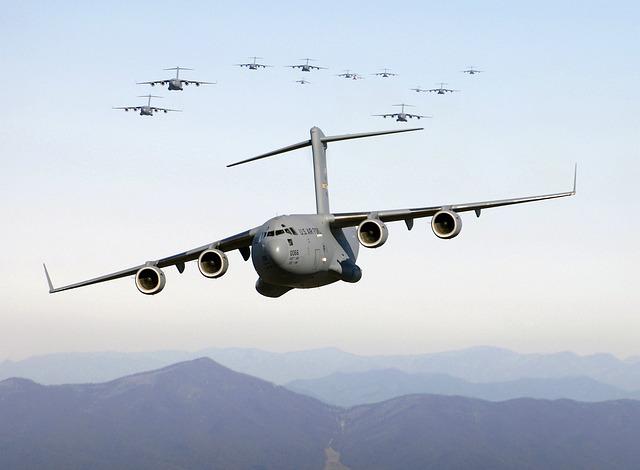
The U.S. Air Force medical assistance mission in Suriname has reached a significant milestone, concluding a series of vital healthcare services aimed at enhancing the well-being of local communities. Conducted by the 919th Special Operations Wing, this initiative not only provided essential medical support but also fostered international camaraderie and collaboration. Over the course of the mission, military personnel worked alongside local healthcare providers, delivering critical services ranging from routine check-ups to specialized treatments for various ailments. As the operation wraps up, the impact of this partnership resonates throughout Suriname, highlighting the steadfast commitment of the U.S. military to global humanitarian efforts and the strengthening of diplomatic ties in the region.
U.S. Air Force Completes Vital Medical Assistance Mission in Suriname
The recent medical assistance mission conducted by the U.S. Air Force in Suriname marked a successful conclusion to a critical initiative aimed at improving the healthcare landscape in the region. Over the span of several weeks, military medical personnel collaborated with local healthcare providers to deliver essential services, including health screenings, vaccinations, and community health education. This mission not only provided immediate health benefits but also enhanced local infrastructure through training and resource sharing.
Highlights of the initiative included:
- Comprehensive health assessments for over 1,000 local residents.
- Collaboration with Suriname’s Ministry of Health to ensure sustainable practices post-mission.
- Distribution of medical supplies and equipment to local clinics.
Through these efforts, the U.S. Air Force reinforced its commitment to fostering partnerships and supporting public health initiatives, thereby laying the groundwork for ongoing medical collaboration in the future.
Impact of the Mission on Local Healthcare: Progress and Challenges
The conclusion of the U.S. Air Force medical assistance mission in Suriname marks a significant milestone for local healthcare, showcasing both progress made and challenges that remain. During the mission, healthcare professionals provided essential services to underserved populations, addressing immediate needs in areas such as dental care, preventive medicine, and health education. The positive outcomes of these efforts are evident in the increased access to medical services for rural communities, a notable reduction in untreated health issues, and heightened awareness around hygiene and preventive practices. As a result, local health authorities have reported a measurable improvement in community health indicators.
However, despite these advancements, the mission also highlighted persistent challenges that require ongoing attention. Key hurdles include the sustainability of healthcare improvements, as many resources and programs introduced were temporary. Additionally, disparities in healthcare access and quality between urban and rural areas continue to pose serious risks. To address these challenges, recommendations from both local health officials and mission participants emphasize the importance of establishing enduring partnerships. This collaboration can lead to training local healthcare providers and increasing investment in infrastructure, ensuring that the positive effects of the mission can endure long after the medical teams have departed.
Recommendations for Future Collaborations to Enhance Regional Health Initiatives
To build on the success of the recent U.S. Air Force medical assistance mission in Suriname, several key strategies should be pursued to foster future collaborations aimed at enhancing regional health initiatives. Establishing long-term partnerships with local healthcare providers and governmental agencies can ensure continuity and sustainability of health services introduced through these missions. Incorporating community feedback into program designs is essential, as it encourages local ownership of health initiatives and allows for more tailored interventions. Other recommendations include:
- Regular health assessments: Conduct periodic evaluations to identify evolving health needs in the region.
- Cross-training healthcare personnel: Implement joint training programs between U.S. military personnel and local health workers to facilitate knowledge sharing.
- Investment in infrastructure: Allocate funds for enhancing healthcare facilities to support ongoing health initiatives.
- Promoting health education: Develop community outreach programs that focus on preventive health measures.
Additionally, establishing a structured framework for information sharing among regional health partners can significantly bolster efforts to enhance healthcare delivery. Utilizing modern technology to create a centralized database accessible to all stakeholders would streamline the coordination of medical resources and reinforce crisis response strategies. A proposed schedule for such initiatives could be summarized as follows:
| Timeframe | Activity | Responsible Parties |
|---|---|---|
| Q1 2024 | Initiate health assessments | Local Authorities, NGOs |
| Q2 2024 | Launch training programs | U.S. Air Force, Local Health Workers |
| Q3 2024 | Infrastructure upgrades | Funding Agencies |
| Q4 2024 | Start health education campaigns | Community Leaders, Health Educators |
Closing Remarks
In conclusion, the successful conclusion of the U.S. Air Force medical assistance mission in Suriname not only reflects the commitment of military personnel to provide humanitarian aid but also strengthens the bond between the United States and Suriname. Over the course of the mission, service members delivered essential medical services to underserved communities, emphasizing the importance of collaboration in addressing health disparities. As both nations look forward to future partnerships, the impact of this mission will resonate within the local community for years to come, highlighting the enduring role of military outreach in global health initiatives. The 919th Special Operations Wing’s efforts exemplify a profound dedication to service that transcends borders, reinforcing a legacy of compassion and cooperation.