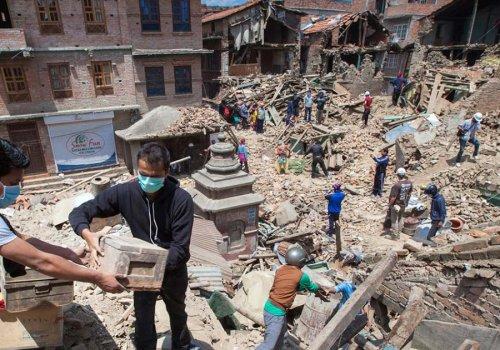
In the wake of increasingly frequent and intense natural disasters, the United States is reevaluating its approach to disaster relief. From wildfires raging in the West to hurricanes devastating coastal communities, the pressures of climate change and population growth are reshaping the landscape of emergency response. As federal, state, and local agencies grapple with the challenges of aging infrastructure and limited resources, a fundamental transformation is underway in how America prepares for and responds to catastrophes. This article explores the key changes in the disaster-relief system, highlighting innovative strategies, the integration of technology, and the growing emphasis on community resilience. As the nation stands at a crossroads, understanding these shifts in disaster management is crucial for policymakers and citizens alike.
America’s Evolving Disaster-Relief Framework Amid Growing Climate Challenges
As devastating natural disasters increase in frequency and intensity, America’s response framework is undergoing significant transformation to adapt to these escalating threats. Federal agencies, state governments, and local communities are collaborating more closely than ever before to enhance preparedness and response mechanisms. A focus on proactive measures includes integrating advanced technology and data analytics into disaster management systems, allowing for better prediction of adverse weather events and more efficient allocation of resources. This shift not only aims to minimize destruction but also emphasizes the importance of community resilience in the face of such challenges.
The evolving framework encompasses a range of strategies designed to bolster response efforts, including:
- Strengthened Partnerships: Enhanced collaboration between federal and local entities.
- Public Awareness Campaigns: Initiatives to educate citizens about disaster preparedness.
- Resource Distribution: Improved logistics for quick mobilization of aid.
- Funding Allocations: Increased investment in infrastructure aimed at mitigating climate impacts.
| Disaster Type | Response Focus | Key Innovations |
|---|---|---|
| Hurricanes | Evacuation Planning | AI-driven predictive models |
| Wildfires | Containment Strategies | Real-time mapping and apps |
| Floods | Rescue Operations | Drones for search and assessment |
Innovative Strategies for Enhanced Community Resilience and Responsiveness
The transformation of America’s disaster-relief system is paving the way for communities to become more proactive in their response strategies. By harnessing technology and fostering collaboration, local governments and organizations can develop comprehensive frameworks that not only respond to crises but also anticipate them. Key elements of this new approach include:
- Data-Driven Decision Making: Utilizing real-time data analysis to foresee potential disasters and mobilize resources effectively.
- Community Engagement: Involving residents in planning and training initiatives ensures that strategies are practical and culturally relevant.
- Interagency Collaboration: Building partnerships among local, state, and federal organizations streamlines communication and resource-sharing during emergencies.
Moreover, innovative funding models are emerging, aimed at creating sustainable resilience programs that draw on both public and private sources. By encouraging investment in community preparedness, stakeholders are prompted to think long-term about disaster management. A recent survey revealed that communities implementing such strategies observed significant improvements in their responsiveness:
| Community | Response Time (Hours) | Improvement (%) |
|---|---|---|
| Springfield | 2 | 30% |
| Lakewood | 1.5 | 45% |
| Hilltown | 3 | 25% |
Such metrics are encouraging further investment in resilience initiatives, highlighting that when communities are equipped with the right tools and support, they can significantly reduce the impact of disasters. The ongoing evolution of the disaster-relief system in America underlines the importance of preparedness as a fundamental pillar for sustainable community development.
Recommendations for Streamlining Federal and Local Coordination in Crisis Response
To enhance the effectiveness of disaster response, it is crucial to establish a cohesive framework that promotes collaboration between federal and local agencies. This can be achieved through regular training exercises that mimic real crisis scenarios, ensuring that all parties understand their roles and responsibilities. Additionally, implementing technology-driven solutions to facilitate real-time information sharing can significantly improve situational awareness and resource allocation. Key measures include:
- Joint Planning Initiatives: Create integrated response plans that leverage the strengths of both federal and local entities.
- Shared Resource Networks: Develop platforms for resource availability, allowing for speedy deployment where needed.
- Community Engagement Programs: Involve local communities in disaster preparedness efforts to ensure tailored responses that meet specific needs.
Furthermore, establishing a robust feedback mechanism is essential to assess the effectiveness of coordinated efforts post-crisis. This should involve post-disaster evaluations, where both federal and local teams reflect on their performance and identify areas for improvement. The inclusion of local voices in this process will not only anchor strategies in ground realities but also promote a sense of ownership among community stakeholders. A possible structure for evaluation can be presented as follows:
| Key Evaluation Aspect | Feedback Method | Stakeholder Involvement |
|---|---|---|
| Planning Effectiveness | Surveys and Interviews | Local Officials & Community Leaders |
| Resource Allocation | Data Reports | Emergency Responders |
| Public Communication | Focus Groups | Civilians & NGOs |
The Way Forward
In conclusion, as America reimagines its disaster-relief framework, the emphasis on resilience, collaboration, and innovation stands out as key components of this ambitious overhaul. By leveraging technology, fostering partnerships across government and private sectors, and prioritizing community engagement, policymakers aim to create a more responsive and effective system capable of addressing the escalating frequency and intensity of natural disasters. As these changes take shape, the hope is that the nation will not only be better prepared for future calamities but also more adept at aiding those in need in the aftermath. The reforms underway represent a significant shift in approach, one that prioritizes proactive measures over reactive responses, signaling a new era in America’s commitment to safeguarding its citizens in times of crisis. As the nation navigates these transformative efforts, the eyes of the world will be watching-offering both lessons and inspiration for disaster preparedness globally.