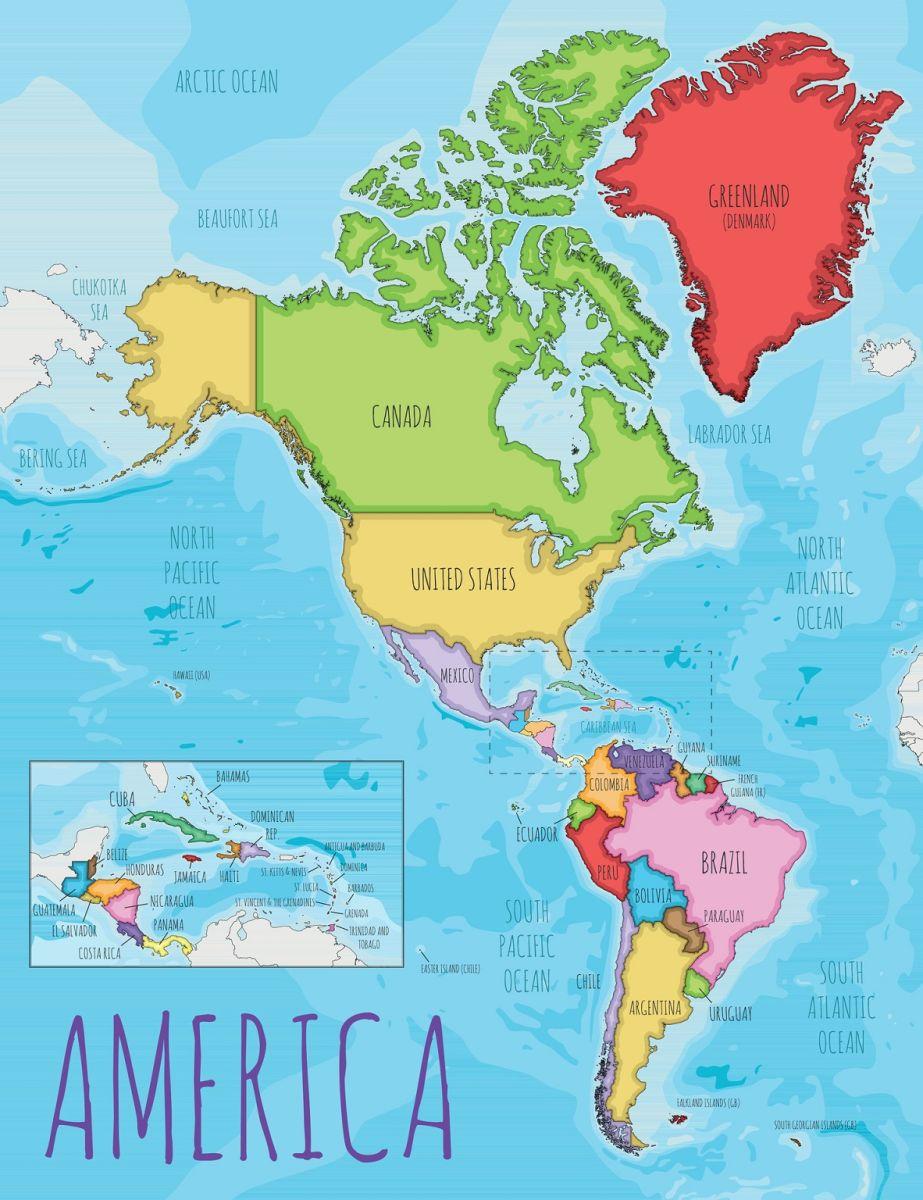
America’s Interests in Trinidad and Tobago: A Strategic Partnership on the Rise
In the heart of the Caribbean, Trinidad and Tobago stands as a critical nexus for United States foreign policy and strategic interests. The twin-island republic, known for its vibrant culture and rich natural resources, is more than just a picturesque destination-it plays a vital role in regional security, energy cooperation, and economic collaboration. As relations between Washington and Port of Spain continue to evolve, understanding the scope of America’s interests in Trinidad and Tobago is paramount. From issues of energy security and counter-narcotics efforts to trade partnerships and diplomatic engagement, this article delves into the multifaceted ties that bind these nations together, highlighting the implications for both regional stability and U.S. interests in the Caribbean.
Strategic Collaboration: Enhancing Economic Ties Between America and Trinidad and Tobago
As the global landscape evolves, the relationship between the United States and Trinidad and Tobago has become increasingly vital. This strategic collaboration is not only crucial for foreign policy but also beneficial for economic advancement. By fostering partnerships in various sectors, both nations can unlock potential growth opportunities. Notably, the energy sector stands as a cornerstone of this relationship. The U.S. has a stake in Trinidad and Tobago’s natural gas resources, which serve as a critical component in meeting energy demands both regionally and globally. Additionally, there are prospects to expand collaboration in areas such as:
- Tourism Development – Boosting travel and cultural exchanges.
- Trade Agreements – Streamlining processes for easier market access.
- Technological Innovation – Promoting joint ventures in renewable energy and digital solutions.
Furthermore, both countries can leverage their respective strengths to enhance trade and investment. A focus on agriculture and manufacturing can lead to a more diversified economy in Trinidad and Tobago, while benefiting American businesses looking to expand their market reach. Establishing trade missions and economic forums is essential for creating synergy across industries. Below is a simple overview of potential sectors for collaboration:
| Sector | Opportunities |
|---|---|
| Energy | Natural gas exports, renewable energy partnerships |
| Agriculture | Agro-processing, sustainable farming practices |
| Technology | IT services, smart city initiatives |
Cultural Diplomacy: Promoting Shared Values and Strengthening People-to-People Connections
Cultural diplomacy serves as a vital conduit for fostering mutual understanding between the United States and Trinidad and Tobago. Through various initiatives, both nations can highlight their rich heritage and shared democratic values. Engagements in the arts, education, and community exchanges not only bridge cultural divides but also enhance cooperation on a range of global issues, from climate change to economic development. As Trinidad and Tobago celebrates its diverse tapestry of cultures, it is paramount to underscore the complementary values found in both nations that promote mutual respect and tolerance.
Recent collaborations have showcased how people-to-people connections can lead to significant outcomes. Efforts such as educational exchange programs, cultural festivals, and artistic collaborations underscore the importance of direct engagement. These initiatives allow citizens from both countries to experience diverse perspectives while building lifelong friendships. Highlighting these shared experiences can solidify alliances and create a more resilient partnership. The ongoing dialogue through cultural frameworks not only enhances bilateral relations but also amplifies the voices of local communities, empowering them to contribute meaningfully to the global narrative.
Energy Security and Sustainable Development: Aligning U.S. Interests with Trinidad and Tobago’s Natural Resources
The intersection of energy security and sustainable development presents a unique opportunity for the United States and Trinidad and Tobago to forge a partnership that benefits both nations. With Trinidad and Tobago’s abundant natural resources, particularly its vast reserves of natural gas, the U.S. has an interest in diversifying its energy sources while supporting sustainable practices. Enhancing energy security through collaboration can stimulate economic growth, promote investment in renewable technologies, and foster an environmentally responsible energy framework. By innovating in energy supply chains, both countries can benefit from lower emissions while ensuring energy availability for the future.
To better understand the potential advantages of this alliance, consider the following aspects:
- Natural Gas Exports: Trinidad and Tobago is a leading supplier of liquefied natural gas (LNG) to the U.S., crucial for meeting energy demands.
- Sustainable Practices: Adopting best practices for environmental stewardship can enhance both countries’ reputations and commitment to sustainability.
- Investment Opportunities: Collaborating on green technology advancements can attract new investments and create jobs.
The collaboration can be further examined through a comparative overview of Trinidad and Tobago’s current resource management against potential U.S. support:
| Aspect | Trinidad and Tobago | Potential U.S. Contributions |
|---|---|---|
| Resource Management | Focus on natural gas extraction | Investment in renewable energy technologies |
| Environmental Policies | Efforts in sustainable energy practices | Support for climate initiatives |
| Training & Development | Local workforce training in energy sector | Educational programs and knowledge exchange |
Future Outlook
In conclusion, America’s active engagement with Trinidad and Tobago underscores a complex interplay of economic, diplomatic, and security interests. As both nations seek to navigate the evolving geopolitical landscape, their partnership remains crucial not only for regional stability but also for addressing broader challenges such as climate change, energy security, and trade. Continued collaboration, marked by mutual respect and shared goals, will be vital in harnessing the full potential of this bilateral relationship. As developments unfold, keeping a close eye on this dynamic will be essential for both policymakers and citizens alike, ensuring that the interests of both countries are well-aligned for a prosperous future.