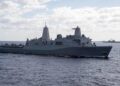
In a tragic development that has raised significant concerns regarding U.S. military operations abroad, a Trinidadian family has come forward with allegations that a relative was fatally shot by American forces during a maritime incident in the Caribbean. The incident has sparked outrage and calls for accountability, drawing attention to the complexities of military actions and their far-reaching consequences in civilian lives. The family, Seeking justice for their loved one, is now navigating a mix of grief and anger, as they share their story with the world. This article delves into the details of the incident, the family’s experience, and the broader implications for U.S. military engagement in the region.
Trinidadian Family Seeks Justice Following Alleged U.S. Military Boat Attack
A Trinidadian family is in mourning and seeking answers following a tragic incident involving a U.S. military vessel off the coast of the Caribbean island. Following the alleged attack, which reportedly left one family member dead, relatives are demanding accountability from U.S. authorities. Witnesses claim that the boat was outside of its designated route when it opened fire on a fishing boat, resulting in the death of the victim, who was aboard with family members. The incident has sparked outrage within the local community, leading to gatherings and protests calling for justice.
The family has outlined several key points regarding their experience and demands:
- Call for Investigation: A thorough inquiry into the events surrounding the attack.
- Compensation: Financial support for the family to cope with the loss and trauma.
- Policy Change: Advocacy for clearer rules of engagement for military operations in civilian areas.
Local officials have expressed their solidarity with the family, emphasizing the need for international discussions to prevent similar incidents in the future. As the story gains traction, both local and international media outlets are covering the family’s plight, putting pressure on officials to respond promptly and transparently.
Call for Accountability: Implications of the Incident on International Military Conduct
The recent reports regarding a U.S. military’s alleged involvement in a tragic boat attack that resulted in the death of a Trinidadian family member have ignited pressing discussions about military accountability on an international scale. As calls for transparency grow louder, it becomes increasingly critical to examine the implications of such incidents for military conduct globally. Frameworks governing armed forces typically emphasize rules of engagement and the protection of civilians in conflict zones; thus, these allegations challenge the efficacy and commitment to those standards by powerful nations.
In light of this incident, stakeholders must consider several key factors:
- Legal Implications: Potential violations of international law raise questions about punitive measures against personnel who act outside established regulations.
- Humanitarian Impact: The emotional toll on affected families highlights the urgent need for clearer protocols to prevent civilian casualties.
- International Relations: How nations respond to demands for accountability may redefine their diplomatic standings and collaborations on defense.
Addressing these issues could lead to a reassessment of military engagement policies, specifically regarding operations in international waters. Furthermore, a transparent inquiry could pave the way for constructive dialogue on ethical conduct, fostering a greater commitment to human rights within military strategies.
Community Responses Highlight Need for Strengthened Oversight and Transparency in Military Operations
The recent incident reported by a Trinidadian family, alleging that their relative was killed by the U.S. military during a boat attack, has sparked widespread outrage and concern within affected communities. Eyewitness accounts and the family’s emphatic claims have drawn attention to the broader implications of military operations that may lack proper oversight and transparency. Community leaders, activists, and legal experts are now calling for urgent reforms, emphasizing that such actions can lead to tragic consequences and a breakdown of trust between citizens and military authorities. In the wake of this tragedy, critical voices are advocating for measures that could include:
- Independent investigations into military operations to ensure accountability.
- Increased community engagement to foster dialogue between residents and military officials.
- Enhanced reporting mechanisms for civilians to voice concerns about military conduct.
- Public disclosure of operational protocols related to engagement rules in civilian areas.
Furthermore, discussions around policy reform are gaining traction as it becomes clear that military actions should not be exempt from community scrutiny. Advocates argue that the current framework lacks the necessary safeguards to protect innocent lives, which is vital for maintaining the integrity and legitimacy of military operations. As more details emerge, affected families are calling not only for justice but also for a shift toward a military system that respects human rights and upholds the value of transparency. The impact of this incident has the potential to reshape public perspectives on military involvement in civilian contexts.
Insights and Conclusions
As the investigation into the tragic incident continues, the family of the deceased seeks justice and clarity regarding the actions of the U.S. military. Their sorrow is compounded by unanswered questions about the circumstances surrounding the boat attack and its implication on civilian safety in conflict zones. This event not only marks a profound loss for the family but also raises broader concerns about military operations and accountability. In the coming days, as more details emerge, both authorities and advocacy groups will need to address the intersection of military action and civilian lives. The Trinidadian family’s plea for transparency resonates as a reminder of the human cost of warfare, underscoring the urgent need for thorough examination and reform in military conduct. The outcome of this case may influence future military policies and humanitarian considerations, highlighting the delicate balance between national security and the protection of innocent lives.