Get the world’s most fascinating discoveries delivered straight to your inbox.
However, due to limitations in the data, the link between poor pregnancy outcomes and Oropouche virus has not yet been confirmed. The U.S. CDC and the Pan American Health Organization are currently investigating the potential risk.
Oropouche virus was first detected in 1955 in Trinidad and Tobago, and it’s since caused outbreaks in various countries in South America, Central America and the Caribbean. So far this year, outbreaks have been reported in Brazil, Bolivia, Colombia and Peru, and Cuba reported its first-ever known cases.
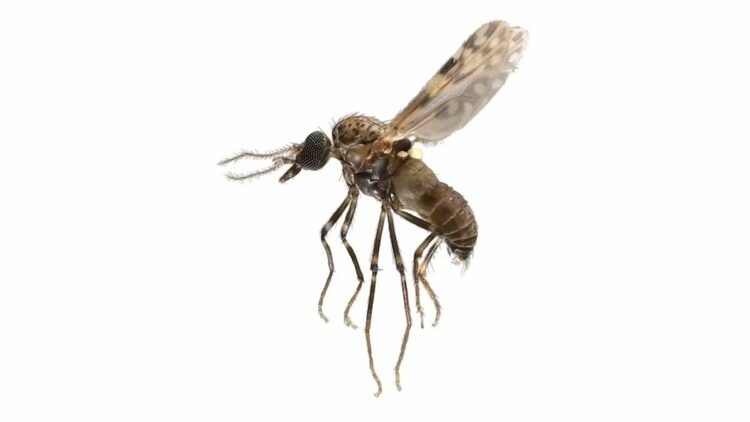
Direct spread of the virus from person to person has never been documented. Instead, people most often catch the disease from a midge species called Culicoides paraensis. In addition, a handful of mosquito species can carry and spread the virus to people.
The midges that spread the disease aren’t found in Europe, and “to date, there has been a lack of evidence as to whether European midges or mosquitoes could transmit the virus,” the ECDC noted in its risk assessment. This lack of evidence, combined with the fact that the virus doesn’t spread between people, makes catching the disease locally in Europe very unlikely.
The risk of catching the disease abroad is “moderate,” however, and the ECDC recommends that people traveling to places where Oropouche virus spreads take precautions. Safety measures include using insect repellent and wearing long-sleeved shirts and long pants when outside. Insecticide-treated bed nets should also be considered in rooms that are not adequately screened or air-conditioned. There is no vaccine for Oropouche virus.
Although the risks of catching Oropouche virus during pregnancy aren’t yet clear, Zika virus — which does have clear risks if contracted during pregnancy — spreads in the same areas. Therefore, the same safety tips would apply for preventing both infections, according to the ECDC.
Some headlines have referred to Oropouche virus as “sloth virus” or “sloth fever.” That’s because the pale-throated sloth (Bradypus tridactylus) may be a key animal host for the virus, with insects passing it from sloths to humans and back.
However, the main animal hosts of the Oropouche virus haven’t yet been confirmed. A few contenders besides sloths include various wild birds and a few primates, such as capuchin (Cebus) and howler (Alouatta) monkeys.
This article is for informational purposes only and is not meant to offer medical advice.
Ever wonder why some people build muscle more easily than others or why freckles come out in the sun? Send us your questions about how the human body works to [email protected] with the subject line “Health Desk Q,” and you may see your question answered on the website!
Source link : http://www.bing.com/news/apiclick.aspx?ref=FexRss&aid=&tid=66bbc1340da543e0bca1fe72ea0eabcd&url=https%3A%2F%2Fwww.livescience.com%2Fhealth%2Fviruses-infections-disease%2Fsloth-virus-reported-in-europe-for-1st-time-but-what-is-it&c=8532814731173358726&mkt=en-us
Author :
Publish date : 2024-08-13 08:36:00
Copyright for syndicated content belongs to the linked Source.