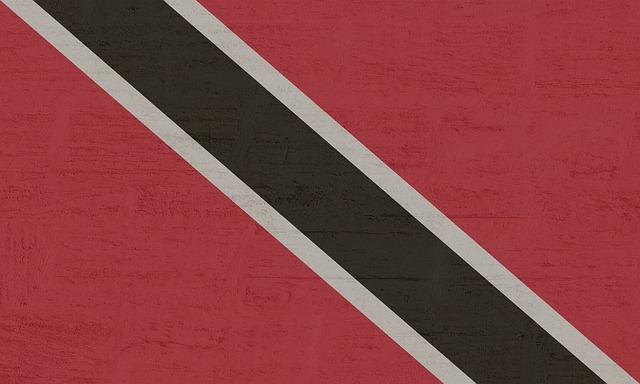
In a significant development for national security and regional collaboration, Trinidad and Tobago’s Prime Minister has confirmed the deployment of U.S. Marines to Tobago for the enhancement of the island’s radar system. This initiative underscores a strategic partnership aimed at bolstering defense capabilities amid escalating concerns over maritime security and drug trafficking in the Caribbean. The announcement, made during a recent press conference, highlights the government’s commitment to safeguarding national interests while fostering international cooperation. As the collaboration unfolds, it raises questions about the implications for local sovereignty and the broader context of U.S. military presence in the region.
Trinidad and Tobago Strengthens National Security with U.S. Marines Collaboration on Radar System
In a significant move to bolster its defense capabilities, Trinidad and Tobago is collaborating with U.S. Marines to enhance the national radar system in Tobago. This partnership aims to improve surveillance and monitoring of the country’s airspace and coastal borders, which are critical for national security. The collaboration was confirmed by the Prime Minister, who emphasized the importance of international cooperation in combating regional threats, including drug trafficking and piracy, that pose challenges to stability in the Caribbean.
The project will involve the installation of state-of-the-art radar systems designed to provide real-time data on aircraft and maritime vessels. Key features of the new system include:
- Advanced Detection: Enhanced capabilities to identify and track aerial and maritime threats.
- Real-Time Data Sharing: Immediate transmission of information to defense agencies for rapid response.
- Improved Interoperability: Seamless integration with U.S. defense technologies and protocols.
This initiative reflects Trinidad and Tobago’s commitment to modernizing its defense infrastructure while strengthening bilateral ties with the United States, laying the groundwork for sustained security in the region.
Implications of Enhanced Surveillance Technology for Tobago’s Safety and Sovereignty
The recent confirmation of U.S. Marines working on a radar system in Tobago raises significant questions about the balance between enhanced public safety and the implications for national sovereignty. While the incorporation of advanced surveillance technology can bolster Tobago’s ability to monitor its waters, combat illegal activities, and respond effectively to emergencies, it also necessitates a careful examination of external influence on local governance. The presence of foreign military personnel can provoke concerns among citizens regarding autonomy and self-determination, especially if the operations surpass mere technical collaboration.
Furthermore, the potential benefits of heightened surveillance must be weighed against the loss of privacy. Enhanced monitoring could lead to a more secure environment, with increased deterrence of crime and more efficient law enforcement. However, there is a delicate line between protection and intrusion. Key considerations include:
- Data Privacy: How will citizens’ data be protected, and who will have access to it?
- Public Transparency: What measures will be taken to ensure that the implementation process is transparent to the public?
- Long-term Independence: Will reliance on foreign technology impact Tobago’s ability to develop its own security protocols in the future?
Challenges and Opportunities: Community Reception and Future Defense Initiatives
The announcement of U.S. Marines assisting in the development of a radar system on Tobago has sparked a mix of reactions from the local community. Concerns about sovereignty and the influx of foreign military presence are palpable, with many residents expressing their apprehensions. Key issues raised during community meetings include:
- Potential Loss of Local Control: Residents fear that partnerships with foreign military forces might lead to diminished authority over local defense matters.
- Environmental Impact: Locals are anxious about how military installations might disrupt Tobago’s natural landscapes and biodiversity.
- Economic Concerns: Questions arise on whether the funding and resources would benefit the local economy or largely favor foreign interests.
Despite these challenges, the collaboration presents significant opportunities for enhancing national defense capabilities. The Trinidad and Tobago government emphasizes that the radar system could serve multiple functions, including:
- Improved Coastal Surveillance: The system is expected to bolster maritime security, protecting against piracy and illegal fishing.
- Joint Training Programs: Collaborations with U.S. Marines could provide valuable training experiences for local defense forces, promoting skill development.
- Regional Security Partnerships: As Trinidad and Tobago enhances its defense posture, it positions itself as an integral player in Caribbean security initiatives.
| Aspect | Challenges | Opportunities |
|---|---|---|
| Community Sentiment | Sovereignty Concerns | Enhanced Defense Collaboration |
| Environmental Impact | Disruption to Nature | Investment in Sustainable Practices |
| Economic Aspect | Foreign Overdependence | Job Creation in Tech Sector |
Wrapping Up
In conclusion, Prime Minister of Trinidad and Tobago has confirmed that U.S. Marines are actively engaged in the enhancement of the radar system on the island of Tobago. This collaboration reflects a growing partnership between the United States and Trinidad and Tobago, aimed at bolstering regional security and surveillance capabilities. As discussions continue around the implications of this cooperation, both nations appear committed to addressing common challenges in an increasingly complex geopolitical landscape. Stakeholders and citizens alike are encouraged to stay informed as further details emerge about the project and its potential impacts on national defense and community safety. As this story develops, it will be crucial to monitor the reactions from local stakeholders and the broader Caribbean community regarding this strategic alignment.