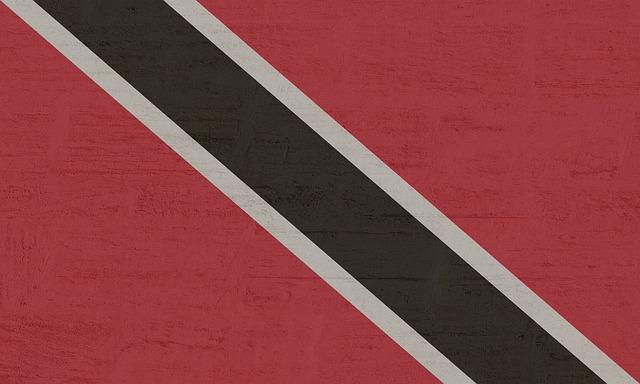
In a significant development in regional security, Trinidad and Tobago’s Prime Minister has announced the installation of a new radar system facilitated by the United States, aimed at enhancing surveillance of Venezuelan maritime activities. This strategic move underscores growing concerns over potential threats emanating from Venezuela, amid a backdrop of political instability and economic turmoil that has plagued the neighboring nation. As Trinidad and Tobago positions itself as a key player in the Caribbean security landscape, this initiative is expected to bolster not only national defense capabilities but also regional cooperation in monitoring illicit activities in the waters surrounding the twin-island republic. The announcement highlights the intricate dynamics of U.S.-Trinidadian relations and further intertwines the fates of Caribbean nations with the unfolding situation in Venezuela.
Trinidad and Tobago Government Enhances National Security with Advanced US-Installed Radar System
The government of Trinidad and Tobago has taken a significant step in bolstering national security by implementing a cutting-edge radar system, developed and installed by American experts. This state-of-the-art technology is designed to enhance surveillance capabilities across the nation’s borders, particularly towards monitoring activities emanating from Venezuela. Officials have expressed hope that this advanced system will improve real-time tracking of maritime and aerial movements, contributing to increased safety and border integrity in a region that has experienced escalating concerns over illegal crossings and potential threats.
Key features of the new radar system include:
- Increased Detection Range: The system offers unprecedented coverage of maritime and aerial traffic.
- Real-Time Data Processing: Enhanced capabilities for immediate reporting to security agencies.
- Collaboration with International Partners: Facilitates intelligence sharing with allies, particularly regarding cross-border activities.
The anticipated impact of this technology on law enforcement strategies and emergency response times is considerable. By equipping coast guard and military units with advanced tools, Trinidad and Tobago aims to foster stability and deter any illicit activities that could threaten their national security.
Implications of Increased Surveillance on Regional Relations and Security Dynamics
The recent decision by Trinidad and Tobago to adopt a new US-installed radar system aimed at monitoring Venezuelan activities marks a significant shift in regional security dynamics. This development may catalyze various trends, seen through the lens of increased surveillance and geopolitical tension. The introduction of such technology could be perceived as a signal of alignment with U.S. foreign policy, potentially straining relations with Venezuela and altering existing alliances within the Caribbean and South American spheres. As nations assess the ramifications of this move, local responses may range from strengthened military cooperation with allies to public outcry over perceived infringement on sovereignty.
Moreover, the repercussions could extend beyond bilateral relations, encompassing a broader reconfiguration of regional security policies. Countries in the vicinity may feel compelled to enhance their defense capabilities or seek similar partnerships, leading to an arms buildup in response to increased monitoring activities. Regional dynamics may also witness a shift in the balance of power, prompting non-aligned nations to reconsider their strategies. As a consequence, the interconnected landscape of security alliances could experience a ripple effect, characterized by:
- Potential military escalations or competitive arms races
- Shifts in diplomatic relations, possibly realigning long-standing partnerships
- Heightened espionage and intelligence-gathering efforts among neighbors
| Potential Effects | Outcomes |
|---|---|
| Increased Surveillance | Heightened tension and mistrust |
| Military Partnerships | Strengthened regional alliances |
| Geopolitical Realignment | Changes in trade and security treaties |
Strategic Recommendations for Strengthening Diplomatic Ties Amid Heightened Vigilance on Venezuela
In light of the recent strategic developments regarding the installation of a new US radar system aimed at monitoring Venezuelan activity, it is crucial for Trinidad and Tobago to adopt a proactive approach in reinforcing its diplomatic relations with regional partners. Collaborative initiatives could foster greater regional stability and security, allowing nations to effectively address common challenges posed by Venezuela’s evolving political landscape. Key recommendations include:
- Engagement in Multilateral Dialogues: Strengthening ties through platforms such as CARICOM and the OAS to facilitate collective responses.
- Joint Military Exercises: Organizing joint operations focused on humanitarian assistance and disaster response to improve interoperability with neighboring countries.
- Economic Partnerships: Fostering trade and investment agreements that enhance economic cooperation while building resilience against external pressures.
Additionally, establishing a bilateral security framework with the United States could prove beneficial for Trinidad and Tobago, ensuring shared intelligence and logistical support in monitoring cross-border activities. This partnership not only addresses immediate security concerns but also encourages a stronger, unified front against illicit activities originating from Venezuela. The following approaches should be prioritized:
- Information Sharing Agreements: Collaborating with U.S. agencies to exchange intelligence related to narcotrafficking and illegal border incursions.
- Capacity Building Initiatives: Investing in local law enforcement training programs with U.S. support to enhance regional security capabilities.
- Public Diplomacy Campaigns: Promoting awareness of regional security issues to galvanize public support for international cooperation.
Future Outlook
In conclusion, the announcement by Trinidad and Tobago’s Prime Minister regarding the installation of a new US radar system to monitor activities across the Venezuelan border marks a significant development in regional security dynamics. This collaboration underscores the growing concerns over Venezuela’s internal and external actions and highlights Trinidad and Tobago’s strategic position in the Caribbean. As this partnership unfolds, observers will be keenly watching how these enhanced surveillance capabilities will impact not only diplomatic relations within the region but also the broader geopolitical landscape. With tensions persisting, the implications of this agreement will be crucial for ensuring stability and safety in the Caribbean and beyond.