
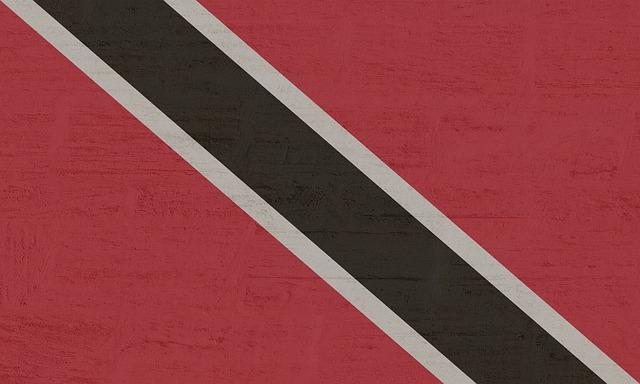
In a significant move signaling solidarity with the United States, Trinidad and Tobago’s Prime Minister has announced the nation’s endorsement of potential warship deployments in the region. This declaration comes amidst rising regional tensions and reaffirms Trinidad’s readiness to assist American forces should the need arise. The Prime Minister’s comments, which were made during a recent press conference, highlight the Caribbean nation’s strategic commitment to regional security and cooperation with U.S. military initiatives. As geopolitical dynamics shift, the implications of this endorsement may extend beyond mere military presence, influencing diplomatic relations and maritime security efforts across the Caribbean Basin.
Trinidad’s Strategic Pivot: Support for U.S. Military Presence in the Caribbean
In a landmark decision reflecting shifting geopolitical dynamics, Trinidad’s Prime Minister recently declared the country’s readiness to support the deployment of U.S. military warships in the Caribbean. This endorsement signals a strategic pivot towards increased collaboration with the United States amid rising concerns over security and stability in the region. The Prime Minister emphasized that Trinidad is prepared to offer assistance should the U.S. military request it, reinforcing the island’s commitment to regional defense initiatives and joint operations that enhance maritime security.
Trinidad’s support for the U.S. military presence comes at a time when Caribbean nations are reassessing their security strategies in light of various threats, including drug trafficking and organized crime. The government plans to focus on strengthening cooperative arrangements with U.S. forces, which may involve:
- Joint training exercises: Enhancing the capabilities of local forces through collaboration.
- Intelligence sharing: Improving situational awareness and responsiveness to security threats.
- Logistical support: Facilitating the movement and operations of U.S. naval assets in Caribbean waters.
This supportive stance by Trinidad not only indicates a commitment to regional security but also aligns with broader U.S. objectives in maintaining maritime freedom and countering illicit activities across the Caribbean basin.
Assessing Regional Security Implications of Trinidad’s Warship Deployment Decision
Trinidad and Tobago’s recent decision to endorse the deployment of warships significantly impacts the security dynamics within the Caribbean region. This move signals a willingness to collaborate with the United States on maritime security, potentially reshaping existing defense protocols. The strategic positioning of Trinidad’s naval assets could enhance regional deterrence against illicit activities such as drug trafficking and piracy, providing a more stable environment for both local and international maritime operations. Experts believe that this alliance may foster greater cooperation among Caribbean nations in addressing security concerns, especially as tensions in neighboring regions escalate.
Furthermore, the implications of this decision stretch beyond mere military engagement. It opens the door for Trinidad to play a pivotal role in regional security partnerships through joint exercises and intelligence sharing. Key outcomes of this deployment may include:
- Enhanced Training: Opportunities for Trinidad’s naval forces to participate in specialized training programs with U.S. military personnel.
- Increased Surveillance: Better monitoring of Caribbean sea lanes, contributing to an overall increase in maritime safety.
- Strengthened Alliances: Closer ties with neighboring countries that may also seek assistance in maritime defense initiatives.
| Potential Benefits | Impact on Security |
|---|---|
| Joint Exercises | Improved tactical coordination |
| Resource Sharing | Increased operational capacity |
| Information Exchange | Better intelligence on threats |
As the geopolitical landscape shifts, Trinidad’s proactive stance on military readiness may inspire similar commitments from its Caribbean neighbors, fostering a multi-layered defense strategy that emphasizes collaboration over isolation. The regional security framework is likely to evolve, reflecting the newly established partnerships and their collective efforts to address common threats while ensuring peace and stability across the Caribbean Sea.
Calls for Enhanced Maritime Cooperation Between Trinidad and the United States
In a clear indication of the strengthening ties between Trinidad and the United States, Prime Minister Paula-Mae Weekes has expressed support for the deployment of U.S. naval vessels in the region. This development comes as concerns about maritime security and illegal activities in the Caribbean continue to grow. The Prime Minister emphasized that Trinidad and Tobago stands ready to assist the U.S. forces should the need arise, underscoring the importance of collaborative efforts in preserving regional stability. Key aspects of this enhanced partnership may include:
- Joint Training Exercises: Continued cooperative drills to improve readiness and operational capabilities.
- Intelligence Sharing: Increased flow of information regarding maritime threats and unlawful activities.
- Resource Allocation: Enhanced logistical support for operations aimed at protecting the maritime environment.
To facilitate a comprehensive approach to maritime security, both nations are likely to consider establishments of joint task forces designed to combat piracy and drug trafficking. Establishing frameworks for legal cooperation may also become a priority, ensuring that law enforcement agencies can effectively work across borders. A potential action plan highlighting these initiatives can be summarized in the following table:
| Action Item | Description |
|---|---|
| Task Force Development | Create joint teams focused on maritime surveillance and enforcement. |
| Legal Frameworks | Establish agreements for handling offenders and evidence transfer. |
| Public Awareness Campaigns | Engage communities on maritime security issues and reporting mechanisms. |
Key Takeaways
In conclusion, Trinidad and Tobago’s recent endorsement of warship deployment marks a significant shift in its defense posture and underlines the growing collaboration between the Caribbean nation and the United States in addressing regional security concerns. Prime Minister [Name] has reaffirmed the country’s commitment to supporting U.S. efforts should assistance be requested, emphasizing a proactive approach to safeguarding regional stability. As geopolitical tensions continue to rise, Trinidad’s strategic decision could pave the way for enhanced military cooperation and contribute to a broader collective security framework in the Caribbean. Observers will be keen to monitor the implications of this endorsement, particularly in the context of U.S.-Caribbean relations and the evolving security landscape in Latin America and the Caribbean. Further developments in this area will undoubtedly shape the dialogue around regional defense strategies in the months to come.









