
Title: Addressing the Exodus: Enhancing Colombia and Trinidad and Tobago’s Responses to Venezuela’s Migration Crisis
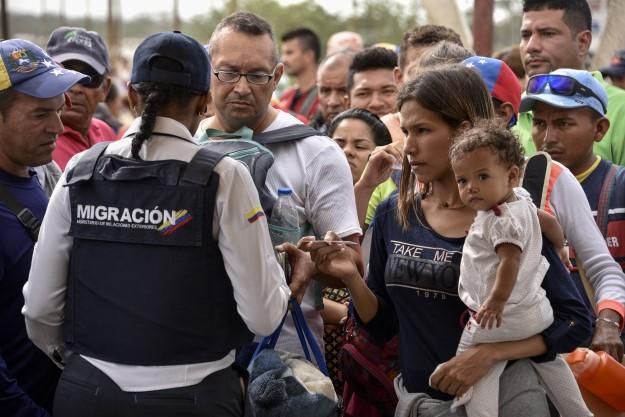
As Venezuela grapples with a profound humanitarian crisis marked by political turmoil, economic collapse, and escalating violence, millions of its citizens have sought refuge in neighboring countries, creating one of the most significant displacement challenges in recent history. Colombia, sharing a long border with Venezuela, has become a primary destination for Venezuelan migrants, embracing over 2 million individuals who have fled their homeland. Meanwhile, Trinidad and Tobago, while geographically distant, has also seen a notable influx of Venezuelans seeking safety and stability. As these nations respond to the urgent needs of migrants, international organizations like Refugees International emphasize the necessity of comprehensive strategies that not only address immediate humanitarian concerns but also promote long-term integration and stability. This article delves into the current state of Colombia and Trinidad and Tobago’s responses to the Venezuelan migration crisis and explores actionable measures to enhance their efforts, fostering a more resilient framework for both migrants and host communities.
Enhancing Humanitarian Support Mechanisms for Venezuelan Refugees in Colombia
As Venezuela’s migration crisis continues to unfold, the need for effective humanitarian support mechanisms in Colombia has never been more critical. The influx of Venezuelan refugees has put immense pressure on local resources, prompting both government and non-governmental organizations to reassess their strategies. A multipronged approach is essential to address the immediate needs of refugees, including access to healthcare, education, and legal services. Local communities can play a vital role by fostering integration through awareness campaigns and local partnerships, ensuring that Venezuelan migrants can contribute positively to their new surroundings.
To optimize the aid distribution process, humanitarian organizations must collaborate closely with Colombian authorities to identify key areas for urgent intervention. This could involve the establishment of information hubs in densely populated refugee areas, offering crucial resources and guidance. Moreover, leveraging technology can enhance accessibility and efficiency, streamlining the provision of essential services. A collaborative model that combines the efforts of government, NGOs, and local communities will build resilience not only among refugees but also within host communities, creating a sustainable framework for long-term support.
Strengthening Regional Cooperation Between Colombia and Trinidad and Tobago
In light of the increasing migration crisis spurred by ongoing strife in Venezuela, fostering collaboration between Colombia and Trinidad and Tobago has become imperative. Both nations are now recognizing the urgency of unified action to address the influx of Venezuelan migrants, who often arrive seeking safety and better opportunities. Together, they can enhance their border management practices, align their immigration policy frameworks, and streamline the provision of humanitarian assistance. Key areas for collaboration include:
- Information Sharing: Establishing platforms for real-time data exchange about migration patterns and needs.
- Joint Training Initiatives: Implementing capacity-building programs for local authorities handling migrant populations.
- Policy Alignment: Creating compatible legal frameworks that protect the rights of refugees and migrants.
In addition, regional forums and bilateral meetings can serve as essential venues to deliberate on sustainable responses to the ongoing crisis. Engaging non-governmental organizations and international partners will amplify efforts and resource sharing, ultimately leading to more robust support systems for migrants. A proposed action plan involving both countries may include:
| Action Item | Responsibility | Timeline |
|---|---|---|
| Launch joint awareness campaigns | Both Governments | Q1 2024 |
| Host regional migration summit | Trinidad and Tobago | Q2 2024 |
| Implement cross-border humanitarian aid | Colombia | Ongoing |
Innovative Policy Solutions to Address Migration Challenges in South America
The ongoing migration crisis stemming from Venezuela has presented formidable challenges for neighboring countries such as Colombia and Trinidad and Tobago. To effectively manage the influx of Venezuelans fleeing economic distress and political instability, innovative policy solutions are paramount. Both nations can implement multi-faceted approaches that prioritize humanitarian support while coordinating with international organizations. Key solutions may include:
- Regional Collaboration: Strengthening alliances with other South American countries to share resources and best practices.
- Legal Pathways: Expanding access to temporary protected status for Venezuelans to facilitate work and integration.
- Economic Support: Increasing investment in local economies to provide job opportunities for both migrants and host communities.
- Community Integration Programs: Supporting initiatives that foster social cohesion and cultural exchange between Venezuelan migrants and local populations.
Moreover, leveraging technology and data analytics can enhance the efficiency of migration management. For instance, creating a centralized database for tracking migrants could aid in resource allocation and policy development. A potential framework could resemble the following table:
| Policy Initiative | Expected Outcomes |
|---|---|
| Increased Temporary Work Permits | Boosts local economies and reduces informal labor. |
| Partnerships with NGOs | Enhances service delivery for health and education. |
| Cultural Orientation Programs | Improves social integration and reduces xenophobia. |
To Conclude
In conclusion, as the migration crisis stemming from Venezuela continues to unfold, Colombia and Trinidad and Tobago stand at a crucial crossroads in their response strategies. While both nations have made commendable strides in accommodating Venezuelan refugees, there remains an urgent need for enhanced collaboration, resource allocation, and policy development to address the growing challenges. By leveraging international support and prioritizing comprehensive migration frameworks, these countries can bolster their efforts to provide humanitarian assistance and foster social integration for millions of displaced individuals. The path forward will require not only empathy and resilience but also a collective commitment to addressing the root causes of the crisis. As the situation evolves, the onus lies on regional leaders and the international community to rally together for a sustainable and humane response that reflects the values of solidarity and cooperation. The lives of countless Venezuelans depend on it.











