
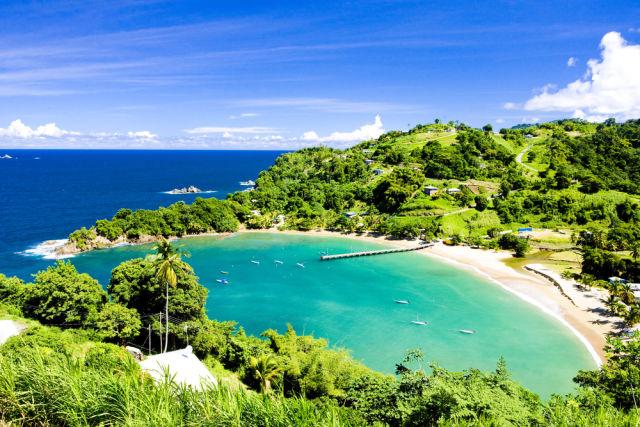
Introduction:
Trinidad and Tobago, a twin-island republic located in the southern Caribbean, possesses a rich tapestry of history, culture, and economic development that reflects its diverse heritage. Known for its vibrant Carnival celebrations, lush landscapes, and significant oil and gas industry, the nation has evolved through a series of pivotal events that have shaped its identity. This article provides an informative timeline outlining key milestones in Trinidad and Tobago’s development, from its indigenous roots and colonial past to its modern-day achievements and challenges. Through this lens, we explore how the islands’ unique blend of cultural influences and historical transitions continue to impact their society today, as documented by the BBC.
Trinidad and Tobago’s Historical Milestones and Cultural Evolution
The rich history of Trinidad and Tobago is marked by significant milestones that have shaped the cultural landscape of this vibrant twin-island nation. The islands were originally inhabited by indigenous peoples, such as the Arawaks and Caribs, before European colonization. Key historical events include:
- The arrival of Christopher Columbus in 1498, marking the beginning of European interest in the Caribbean.
- The establishment of Spanish control which lasted until the late 18th century, influencing local architecture and religion.
- The British takeover in 1797, which initiated a new era of colonial rule and economic transformation, particularly in sugar production.
- Emancipation of enslaved Africans in 1834, leading to a diverse cultural mosaic influenced by African, Indian, Chinese, and European traditions.
As Trinidad and Tobago evolved into an independent nation in 1962, the islands embraced their multicultural identity, reflected in various aspects of daily life, from cuisine to festivals. Highlights of cultural evolution include:
- The establishment of Carnival as a national festival in the early 20th century, showcasing traditional costumes and music.
- Recognition of calypso music and steelpan as integral components of the nation’s cultural heritage.
- The emergence of Soca music, demonstrating the fusion of different musical influences.
- A growing appreciation of indigenous heritage and contributions, leading to cultural revitalization efforts.
Key Economic Developments and Challenges Facing the Twin Island Nation
The economic landscape of Trinidad and Tobago has been shaped by a series of significant developments over the years. The nation has historically relied on its energy sector, with oil and natural gas accounting for a large portion of its GDP and government revenue. In recent years, however, fluctuations in global oil prices have caused volatility within the economy. As the country moves towards diversification, there is an increased emphasis on sectors such as tourism, agriculture, and manufacturing. This pivot aims to lessen the economy’s dependence on hydrocarbons, fostering sustainability and resilience in the face of external shocks.
Despite these efforts, the nation continues to grapple with several pressing challenges. Among these, unemployment, inflation, and crime remain significant hurdles. The labor market is characterized by a mismatch in skills versus available jobs, while inflationary pressures have eroded purchasing power for many citizens. Furthermore, high levels of crime pose risks to foreign investment, thereby stifling economic growth. To address these issues, the government has initiated various reforms aimed at enhancing security, creating jobs, and stabilizing prices. These initiatives must be underpinned by transparent governance and socio-economic participation to foster long-term prosperity.
Recommendations for Sustainable Growth and Regional Cooperation
For Trinidad and Tobago to achieve sustainable growth, it is imperative to integrate environmental stewardship with economic development. This can be facilitated through the adoption of renewable energy solutions, which not only reduce dependence on fossil fuels but also create job opportunities in green technology sectors. Key recommendations include:
- Investing in solar and wind energy projects to harness the country’s natural resources effectively.
- Implementing sustainable agricultural practices to enhance food security while preserving biodiversity.
- Encouraging eco-tourism initiatives that promote conservation efforts while boosting the local economy.
Moreover, strengthening regional cooperation is essential for resilience against global challenges such as climate change and economic fluctuations. Collaborating with neighboring nations can foster trade, enhance resource management, and promote a unified approach to disaster preparedness. Strategies for improved collaboration may include:
- Establishing cross-border projects that share resources for sustainable development.
- Creating a regional task force aimed at coordinating disaster response and recovery efforts.
- Promoting cultural exchange programs that deepen understanding and cooperation among Caribbean nations.
The Conclusion
In conclusion, the timeline of Trinidad and Tobago serves as a rich tapestry of cultural evolution, political milestones, and social transformations. From its indigenous roots to the complexities of colonial history and the journey toward independence, the islands have forged a unique identity that reflects both their diverse heritage and modern aspirations. As Trinidad and Tobago continues to navigate the challenges of a globalized world, understanding the historical context of this twin-island nation is essential to appreciating its vibrant culture and dynamic society. As we look to the future, the lessons of the past will undoubtedly play a crucial role in shaping the next chapter of Trinidad and Tobago’s story. For more in-depth analysis and updates, stay tuned to BBC News, your trusted source for insightful reporting on key developments in this Caribbean nation.











