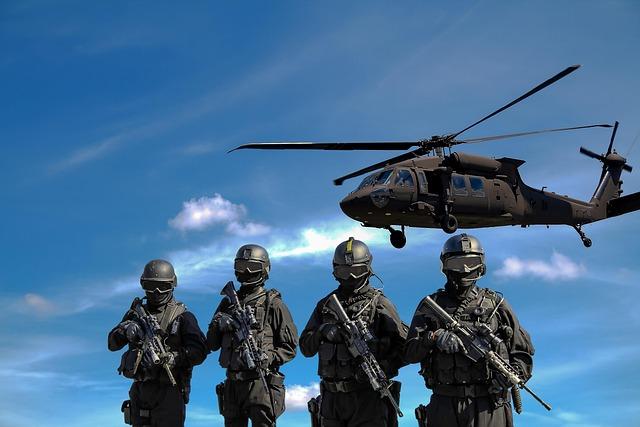
In a significant development that has reverberated across the Caribbean, the United States has announced a military operation aimed at addressing the ongoing political instability and humanitarian crisis in Venezuela. The decision, prompted by escalating tensions and widespread unrest within the South American nation, has sparked immediate reactions from regional leaders, particularly within the Caribbean Community (CARICOM) and neighboring Trinidad and Tobago. As the implications of this operation unfold, analysts and officials are closely monitoring the potential impact on regional security dynamics and the already strained relationships among Caribbean nations. This article delves into the U.S. military’s objectives, the response from CARICOM, and the broader consequences for the Caribbean region in the face of geopolitical challenges.
US Military Operations in Venezuela: Implications for Regional Stability
The recent announcement of a military operation in Venezuela by the United States has sparked significant concern across the Caribbean and Latin America. The Caribbean Community (CARICOM), along with individual nations such as Trinidad and Tobago, have expressed their apprehensions regarding the potential destabilization that could follow such actions. There are fears that this operation may lead to an escalation of tensions not only in Venezuela but also in neighboring countries, affecting diplomatic relations and economic stability in the region. The implications of this military intervention could extend beyond Venezuela’s borders, igniting protests and unrest among populations that have historically resisted foreign interference.
In light of these developments, CARICOM has called for a careful approach to resolving the situation through diplomatic means rather than military action. Many member states are advocating for a resolution based on dialogue and cooperation. Nations in the region are urged to consider the following potential consequences of the US military presence in Venezuela:
- Increased regional tensions – Heightened military activity may provoke neighboring countries and trigger retaliatory actions.
- Humanitarian crises – The possibility of a mass exodus of Venezuelans seeking refuge could place immense strain on nearby nations.
- Economic repercussions – Trade routes and investment opportunities could be impacted adversely, leading to economic fallout across the region.
To better understand the regional response, the following table outlines some key points raised during the discussions among Caribbean leaders:
| Country | Response | Action Sought |
|---|---|---|
| Trinidad and Tobago | Opposition to military intervention | Promotion of diplomatic measures |
| Jamaica | Call for regional solidarity | Support for humanitarian assistance |
| Barbados | Emphasis on dialogue | Engagement through CARICOM |
CARICOM’s Response: Navigating Diplomatic Challenges and Regional Unity
In light of recent developments regarding the United States’ announcement of military operations in Venezuela, leaders within the Caribbean Community (CARICOM) have expressed deep concern over the potential implications for regional stability. The organization, which emphasizes cooperation and common interests among member states, is navigating the delicate diplomatic waters surrounding Venezuela’s ongoing political crisis. CARICOM’s approach is centered on fostering dialogue and negotiation rather than intervention, advocating for a peaceful resolution that respects national sovereignty and promotes unity across the Caribbean region.
Trinidad and Tobago, as an influential member of CARICOM, has taken a proactive stance in addressing the escalating tensions. The government is pushing for a collaborative response among member states, emphasizing the importance of solidarity in the face of external pressures. Key points in Trinidad and Tobago’s response include:
- Diplomatic Engagement: Urging all parties involved to engage in constructive dialogue.
- Regional Security: Reinforcing the need for a unified Caribbean stance to safeguard regional stability.
- Humanitarian Concerns: Addressing the humanitarian impact of the crisis on Venezuelan citizens and the wider region.
| Response Actions | Description |
|---|---|
| Emergency Summit | convening member states to discuss strategies for intervention and support. |
| Monitoring Mechanism | Establishing a task force to monitor the situation and report on developments. |
| Humanitarian Aid | Formulating plans to provide assistance to those affected by the conflict. |
Trinidad and Tobago’s Position: Balancing National Interests Amid International Pressure
As tensions rise in Venezuela following the US announcement of a military operation, Trinidad and Tobago finds itself at a crossroads, tasked with navigating the complex landscape of international diplomacy while safeguarding its own national interests. The government’s response reflects a commitment to regional stability and security, with officials emphasizing the importance of dialogue over military intervention. Key points of Trinidad and Tobago’s position include:
- Non-Intervention Policy: Upholding the principle of respecting national sovereignty and territorial integrity.
- Promotion of Peaceful Solutions: Advocating for collaborative approaches involving CARICOM and regional stakeholders.
- Humanitarian Focus: Prioritizing assistance for affected Venezuelan citizens amidst the unfolding crisis.
In its proactive engagement with CARICOM, Trinidad and Tobago aims to create a unified front, reinforcing the voice of the Caribbean in addressing the Venezuelan crisis. Officials are likely to participate in upcoming discussions, balancing calls for action with the need for comprehensive solutions that address both immediate humanitarian needs and long-term peace-building efforts. A proposed framework for dialogue could include:
| Key Focus Areas | Proposed Actions |
|---|---|
| Human Rights | Monitoring and reporting on the situation in Venezuela |
| Regional Security | Establishing joint task forces for intelligence sharing |
| Economic Stability | Court international funding for refugee support programs |
The Conclusion
In conclusion, the recent announcement of a U.S. military operation in Venezuela has sparked significant responses from regional players, notably CARICOM and Trinidad and Tobago. As the situation unfolds, the Caribbean nations are called to navigate a delicate balance between addressing humanitarian concerns and maintaining regional stability. The implications of U.S. involvement could ripple across the Caribbean, urging nations to reassess their foreign policy stances and collaborative efforts. As the narrative develops, the global community watches closely, highlighting the intricate dynamics of international relations in a region characterized by deep-rooted historical ties and contemporary challenges. Continued engagement from regional leaders will be crucial in steering the path forward for Venezuela and its neighbors.