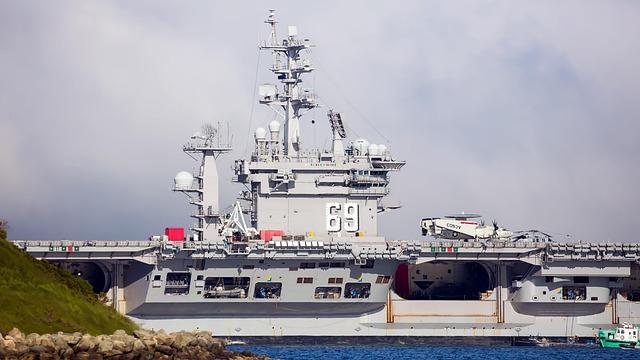
In a significant development in the Caribbean region, a U.S. warship has docked in Trinidad and Tobago amidst rising tensions with neighboring Venezuela. The arrival of the naval vessel has sparked sharp criticism from Caracas, which has labeled the move a “military provocation.” This incident not only underscores the delicate geopolitical balance in the area but also highlights the ongoing concerns surrounding U.S. military presence in the region, particularly in light of Venezuela’s ongoing economic and political crises. As both nations navigate this complex landscape, the implications of such maneuvers could have far-reaching effects on regional stability and international relations.
US Warship Deployment in Trinidad and Tobago Raises Regional Tensions Amid Venezuelan Concerns
The recent arrival of a US warship in Trinidad and Tobago has sparked significant tensions across the Caribbean, particularly in relation to Venezuela, which has condemned the deployment as a blatant act of military provocation. Venezuelan officials have expressed alarm over the potential implications of a US military presence in the region, framing it as an escalation that could destabilize an already delicate geopolitical landscape. The Venezuelan government issued a statement decrying the maneuver as an attempt to interfere in regional sovereignty and escalate hostilities, further straining its relationship with Washington.
In response to these developments, Trinidad and Tobago has found itself walking a tightrope, balancing its security interests with regional diplomatic relations. Officials from the twin-island nation have emphasized the importance of national security cooperation with allies but have also urged for restraint and dialogue to prevent any further escalation. As both countries prepare for upcoming discussions regarding maritime security, analysts suggest that the warship’s presence may lead to increased scrutiny and surveillance from Caracas, presenting a new layer of complexity in the region’s already tense diplomatic environment.
| Country | Position on US Deployment |
|---|---|
| United States | Supports military presence for regional stability |
| Venezuela | Denounces as military provocation |
| Trinidad and Tobago | Calls for dialogue and restraint |
Analysis of US Military Presence in the Caribbean and Its Implications for Venezuela’s Security Strategy
The recent arrival of a US warship in Trinidad and Tobago has heightened tensions in the region, with Venezuela condemning what it describes as a “military provocation.” This development comes amid a backdrop of increasing concern over US military activities in the Caribbean, which some analysts argue could significantly impact Venezuela’s security strategy. The Venezuelan government perceives these actions as a direct threat, prompting a reevaluation of its military readiness and strategic alliances. The implications of such a presence could lead Venezuela to seek closer ties with other nations as a counterbalance, potentially fostering alliances with states that share similar ideological stances.
Moreover, the strategic positioning of US naval assets can be seen as part of a broader containment strategy aimed at curtailing Venezuelan influence in the region. This situation necessitates a careful examination of the dynamics at play, including the potential for increased military spending by Venezuela and the possible escalation of regional maritime tensions. The following points summarize the implications for Venezuela’s security strategy:
- Heightened military readiness: Venezuela may increase its military exercises and bolster its defense capabilities.
- Strengthening alliances: The nation might pursue closer ties with other regional powers, such as Russia or China, who could provide military and economic support.
- Intelligence operations: Increased focus on intelligence gathering to monitor US activities in the Caribbean.
- Domestic propaganda: The government may ramp up rhetoric against perceived foreign aggressions to unify public opinion.
Recommendations for Diplomacy to Mitigate Escalating Military Provocations in South America
Amidst rising tensions marked by the arrival of a US warship in Trinidad and Tobago and Venezuela’s critical response, a concerted effort towards diplomatic dialogue is imperative. The current situation requires that regional actors engage in constructive dialogue to reduce military posturing and foster mutual understanding. To achieve this, the following strategies should be prioritized:
- Establish a Regional Framework for Peace: Countries in South America should spearhead a collaborative platform aimed at addressing security concerns while promoting peaceful coexistence.
- Facilitate Bilateral Talks: Direct negotiations between Venezuela and its neighboring countries can pave the way for transparency and trust-building measures.
- Involve Multilateral Organizations: The involvement of bodies such as the Organization of American States (OAS) can help mediate conflicts and propose diplomatic solutions.
- Promote Confidence-Building Measures: Joint military exercises aimed at humanitarian aid and disaster relief can serve to build rapport among nations in the region.
Additionally, regional powers must be cautious about their military capabilities and the implications these have on diplomatic relations. Countries such as Brazil, Argentina, and Chile could take on a leading role by advocating for a reduction in military expenditures and emphasizing investment in social infrastructure instead. A comprehensive approach should also involve:
| Action | Description |
|---|---|
| Dialogue Initiatives | Organizing forums that bring together governments and civil society to discuss security concerns. |
| Neutral Observers | Engaging impartial parties to monitor military activities and ensure compliance with agreements. |
| Public Campaigns | Fostering public support for peace initiatives through awareness programs and media engagement. |
Final Thoughts
In conclusion, the arrival of the U.S. warship in Trinidad and Tobago marks a significant point in regional dynamics, particularly amid escalating tensions with Venezuela. While U.S. officials emphasize the mission’s focus on fostering partnerships and enhancing maritime security, the Venezuelan government remains vocal in its condemnation, characterizing the deployment as an unwarranted military provocation. As both nations navigate this increasingly complex geopolitical landscape, the implications of such military movements will likely resonate throughout the Caribbean and beyond. As we continue to monitor the situation, the potential for diplomatic dialogue or further confrontation remains uncertain, highlighting the delicate balance of power in the region.