
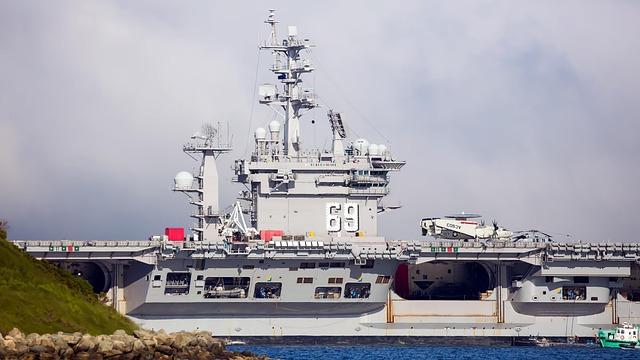
In a significant demonstration of military presence amidst escalating tensions in the Caribbean region, a United States warship has docked in Trinidad and Tobago. This visit underscores the growing unease surrounding Venezuela’s political instability and its implications for regional security. As diplomatic relations between the U.S. and its Latin American neighbors become increasingly strained, the arrival of the U.S. naval vessel serves as a reminder of America’s strategic interests in the area and its commitment to maintaining stability. The implications of this development are multifaceted, as it highlights both the geopolitical dynamics at play and the role of military partnerships in addressing potential crises. Local officials and analysts are closely monitoring the situation as it unfolds, raising questions about the future of U.S.-Venezuelan relations and the overall security landscape in the Caribbean.
US Warship Arrival in Trinidad and Tobago Signals Strategic Posturing in Caribbean Sea
The recent docking of a US warship in Trinidad and Tobago has raised eyebrows and sparked discussions about the evolving geopolitical landscape of the Caribbean. This high-profile arrival occurs against the backdrop of heightened tensions with Venezuela, which has been vocal about its discontent regarding US interventions in regional affairs. Local observers interpret this move as a clear signal of American support for its allies in the region and a reaffirmation of its commitment to maintaining stability in the Caribbean Sea.
Analysts suggest that the strategic positioning of US naval forces is aimed at countering potential threats and demonstrating military prowess. Key components of this posturing include:
- Increased Naval Presence: The US Navy’s commitment to frequent deployments serves as a deterrent against hostile actions from Venezuela.
- Strengthened Alliances: This move could bolster Trinidad and Tobago’s defense capabilities and encourage neighboring nations to align more closely with the US.
- Maritime Security Operations: The warship’s presence may facilitate joint exercises and collaboration in combating drug trafficking and piracy in the Caribbean.
As the region observes the unfolding events, the implications for diplomatic relations and security strategies will undoubtedly shape the Caribbean’s future. This naval activity may not only signal military readiness but also highlight the ongoing tug-of-war in South American geopolitics.
Analyzing the Implications of Increased Military Presence on Regional Stability
The docking of a US warship in Trinidad and Tobago serves as a significant indicator of the shifting dynamics in the Caribbean region, particularly concerning the escalating tensions with Venezuela. While this military presence is positioned as a mechanism for bolstering regional security, it also raises critical questions about sovereignty and the potential for an arms race among neighboring nations. Key implications include:
- Heightened Tensions: The increased military footprint may provoke aggressive posturing by the Venezuelan government, potentially destabilizing the already fragile peace in the region.
- Regional Alliances: Neighboring countries may feel compelled to realign their military and diplomatic strategies in response to perceived threats, leading to a reevaluation of alliances.
- Public Sentiment: Local populations may react with mixed feelings, balancing national pride against concerns over military entanglement in foreign conflicts.
Moreover, the presence of a US warship could catalyze a broader arms buildup as Venezuela and other regional powers increase their defensive capabilities. This could result in a shift from traditional peacekeeping efforts to one of militarization, complicating the security landscape in the Caribbean. The potential for conflict escalation remains high, making diplomatic avenues crucial. Considerations for future interactions include:
| Factor | Potential Outcome |
|---|---|
| Increased US Naval Presence | May deter Venezuelan aggression but could also provoke retaliation. |
| Heightened Military Spending | Could lead to an arms race and divert resources from social programs. |
| International Reactions | Potential for widening geopolitical conflicts involving major powers. |
Strengthening Diplomatic Channels: Recommendations for Navigating US-Venezuela Tensions
To de-escalate tensions between the United States and Venezuela, a multifaceted approach focusing on continuous dialogue and diplomatic engagement is essential. Strengthening existing diplomatic channels can involve the establishment of a dedicated task force aimed at direct communication. This task force could facilitate regular meetings between U.S. and Venezuelan officials to discuss mutual concerns, ranging from humanitarian aid to economic sanctions. Additionally, involving third-party nations known for their neutral stance, such as Norway or Switzerland, could provide a platform for these discussions to take place in a more neutral environment.
Moreover, public diplomacy initiatives should be ramped up to improve mutual understanding and reduce miscommunications. This can include cultural exchange programs, media literacy campaigns, and collaborative projects focusing on regional stability. By fostering people-to-people connections, both nations may find common ground that transcends political differences. Below is a brief summary of recommended actions to enhance U.S.-Venezuela relations, emphasizing the importance of collaboration and compromise:
| Recommended Actions | Purpose |
|---|---|
| Facilitate Diplomatic Task Force | Establish a communication platform for regular dialogue. |
| Engage Third-Party Mediators | Use neutral parties to mediate discussions. |
| Promote Cultural Exchanges | Enhance public diplomacy and mutual understanding. |
| Implement Joint Humanitarian Efforts | Show goodwill through collaboration on humanitarian issues. |
In Summary
In conclusion, the docking of a US warship in Trinidad and Tobago comes at a pivotal moment as regional tensions with Venezuela continue to escalate. This development underscores the strategic importance of Caribbean nations in the broader context of international diplomacy and security. As the situation unfolds, the implications for regional stability and US foreign policy will be closely monitored by both local and international observers. The ongoing collaboration and dialogue among Caribbean nations, the US, and Venezuela will be vital in navigating these complex geopolitical waters, ensuring that the Caribbean remains a zone of peace amidst rising tensions. As further updates emerge, we will continue to provide comprehensive coverage on this evolving issue.









